Master key systems explained is a topic that often comes up when discussing building security, access control, and efficient key management. Whether you manage a commercial property, oversee a multi-unit residential complex, or simply want to understand how these systems can streamline access, knowing the basics is essential. This article provides a clear, practical overview of how master keying works, the components involved, and the types of organizations that benefit most from this approach.
Before diving into the mechanics, it’s helpful to understand why so many property managers and business owners are turning to these solutions. A well-designed master key system can significantly reduce the number of keys in circulation, improve security protocols, and simplify daily operations. For those interested in optimizing their lock hardware, learning how to measure for a deadbolt correctly is also an important step in ensuring compatibility and security.
What Is a Master Key System?
At its core, a master key system is a structured way of organizing locks and keys so that different levels of access can be granted to various users. In this setup, certain keys open specific locks, while a master key can open multiple or all locks within the system. This hierarchy allows for flexible access control, making it easier to manage large properties or organizations with many users.
The main advantage is that it eliminates the need for carrying a large keyring or issuing unique keys for every single door. Instead, authorized personnel can use a single key to access multiple areas, while others retain access only to the spaces they need.
How Master Keying Works: The Technical Side
Understanding master key systems explained from a technical perspective involves looking at how locks are configured. Most systems use pin tumbler locks, which are modified to accept more than one key combination. Here’s how it works:
- Change Key: Also called a sub-master or user key, this opens only one specific lock or a group of locks keyed alike.
- Master Key: This key can open all locks in the system, regardless of the individual keying.
- Grand Master Key: In more complex setups, a grand master key can open several groups of locks, each with their own master keys.
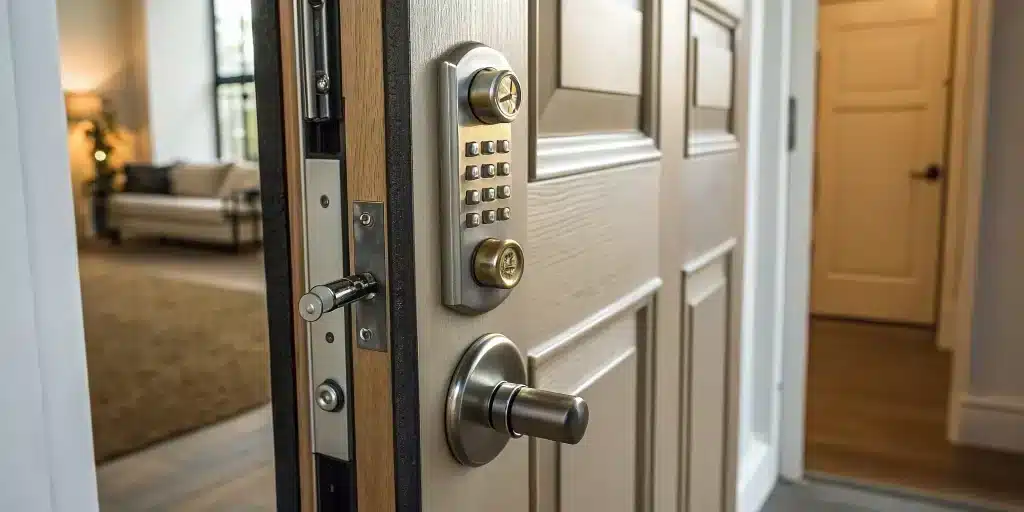
To achieve this, locksmiths use additional pins (called master wafers) inside the lock cylinder. These extra pins allow multiple keys to operate the same lock, creating the desired access hierarchy.
Common Applications and Who Benefits Most
Master keying is especially popular in environments where multiple people need controlled access to different areas. Some of the most common applications include:
- Apartment Complexes: Property managers can access all units, while tenants have keys only for their own apartments.
- Office Buildings: Employees may have keys to their own offices, while cleaning staff or security have broader access.
- Schools and Universities: Faculty and staff can access classrooms or labs as needed, while maintenance teams use master keys for emergencies or repairs.
- Hospitals: Different departments require varying levels of access, and master keying ensures only authorized personnel can enter sensitive areas.
- Hotels: Housekeeping and management can access guest rooms and service areas, while guests have keys only for their assigned rooms.
Any organization that values both security and convenience can benefit from this approach. It’s particularly useful where rapid access is needed in emergencies or for routine maintenance.
Advantages of Using a Master Key System
There are several reasons why property managers and business owners opt for this type of keying structure:
- Efficiency: Reduces the number of keys needed, making key management simpler.
- Security: Access can be tightly controlled and limited to authorized personnel.
- Convenience: Staff and management can move freely without carrying multiple keys.
- Emergency Access: Master keys allow for quick entry during urgent situations.
- Customizable: Systems can be designed to fit the unique needs of any facility, from small offices to large campuses.
For those looking to further enhance their building’s security, understanding high security keyways explained can provide additional insight into advanced lock options that work well with master keying.
Potential Drawbacks and Security Considerations
While the benefits are significant, it’s important to be aware of potential downsides:
- Security Risks: If a master key is lost or stolen, multiple locks may need to be rekeyed to maintain security.
- Complexity: Large or poorly managed systems can become confusing, especially if records are not kept up to date.
- Vulnerability: Adding master wafers can slightly increase the risk of lock picking, though this can be mitigated with high-security cylinders.
Regular audits, proper key control policies, and choosing quality hardware are essential for minimizing these risks. For more on how locks contribute to overall safety, see this detailed guide on locks and home security.
Designing and Maintaining a Secure Key Hierarchy
Setting up a master key hierarchy requires careful planning. Here are some best practices:
- Assess Needs: Identify who needs access to which areas and at what times.
- Work with Professionals: Consult a qualified locksmith to design and implement the system.
- Keep Records: Maintain detailed logs of key holders and changes to the system.
- Review Regularly: Conduct periodic audits to ensure the system remains secure and up to date.
- Upgrade When Needed: As your organization grows or changes, update the key hierarchy accordingly.
Proper maintenance is also crucial. Over time, locks can wear or become less reliable. If you notice issues such as sticking or jamming, resources like how to repair sticky deadbolts and what causes deadbolt jamming can help address common problems before they compromise security.
Frequently Asked Questions
Can a master key open any lock?
No, a master key can only open locks that are part of the same master key system. It will not work on locks that are not configured within the system or that use different keyways or pinning structures.
Is it possible to add new locks to an existing master key setup?
Yes, new locks can be added, but they must be rekeyed or purchased to match the existing hierarchy. It’s best to consult a locksmith to ensure compatibility and maintain security standards.
What should I do if a master key is lost?
If a master key is lost or stolen, it’s important to rekey all affected locks as soon as possible. This prevents unauthorized access and maintains the integrity of the system.
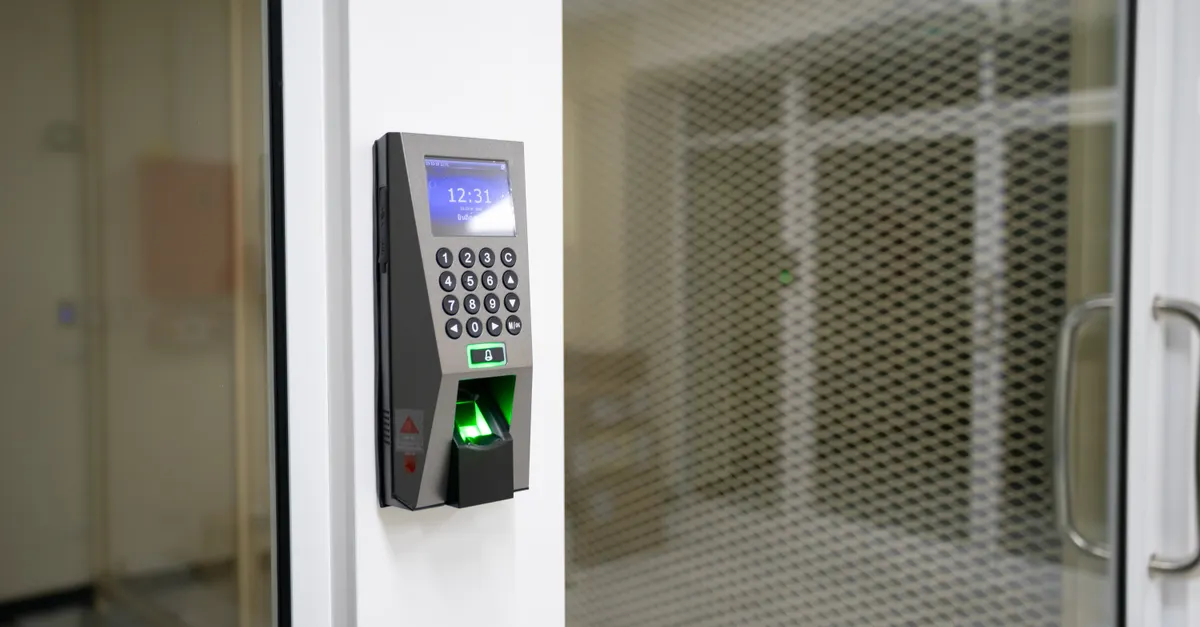
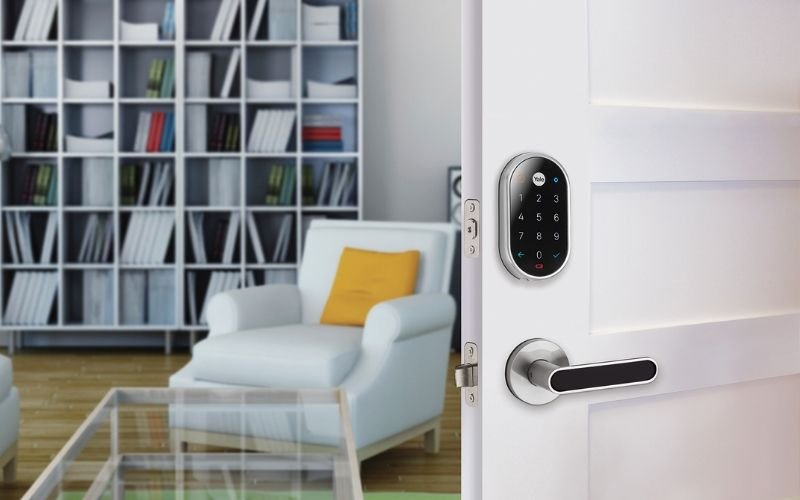
Are there electronic alternatives to traditional master keying?
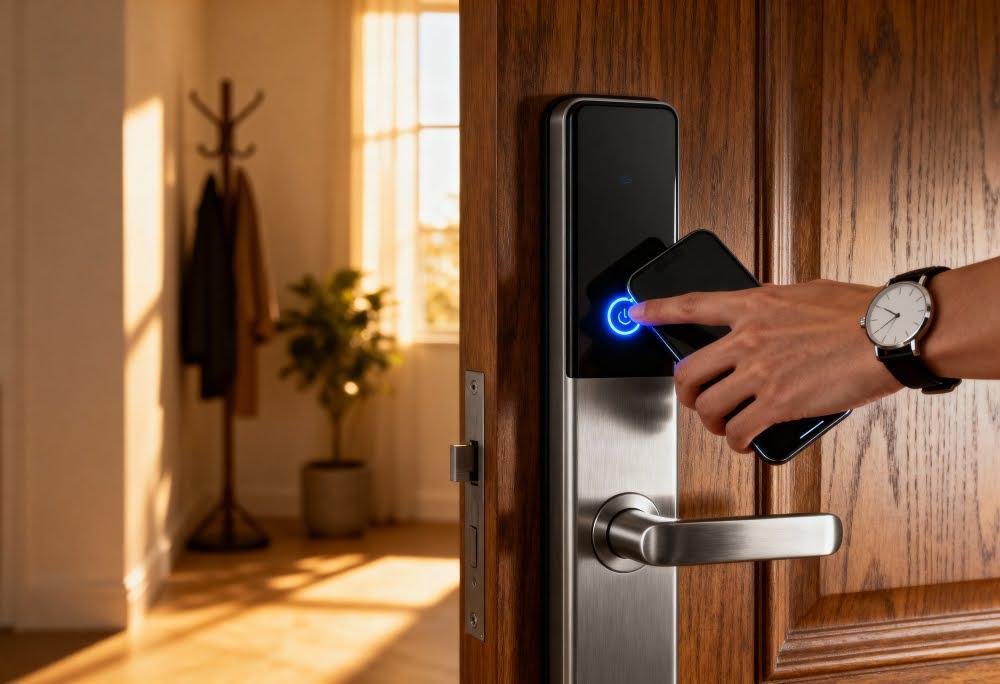
Yes, electronic access control systems can provide similar hierarchical access with keycards or codes, offering additional flexibility and audit trails. However, mechanical master keying remains popular for its simplicity and reliability.
Understanding master key systems explained is essential for anyone responsible for property management or organizational security. By learning how these systems work and following best practices for design and maintenance, you can create a safer, more efficient environment for everyone involved.