Dealing with a jammed deadbolt can be frustrating and even compromise your home’s security. Understanding what causes deadbolt jamming is essential for homeowners, renters, and property managers who want to keep their doors functioning smoothly and their spaces secure. This guide explores the most common reasons deadbolts get stuck, how to recognize early warning signs, and practical steps you can take to prevent these issues from occurring.
Before diving into the technical details, it’s important to note that regular maintenance and awareness of your lock’s condition can make a significant difference. If you’re unsure whether your lock is performing at its best, you might want to learn how to test deadbolt security to ensure your lock is reliable and safe.
Common Reasons for Deadbolt Malfunction
There are several factors that contribute to deadbolt problems. Recognizing these causes can help you address issues early and avoid the inconvenience of a stuck lock. Here are the most frequent culprits:
- Misalignment of Door and Strike Plate: Over time, doors can sag or shift, causing the deadbolt to no longer line up with the hole in the strike plate. This misalignment makes it difficult or impossible for the bolt to slide smoothly.
- Debris and Dirt Accumulation: Dust, grime, and other particles can build up inside the lock mechanism or around the bolt, leading to resistance and eventual jamming.
- Lack of Lubrication: Deadbolts require periodic lubrication. Without it, the internal components can become dry and sticky, making the lock hard to turn.
- Worn or Damaged Components: Internal parts such as springs, pins, or the bolt itself can wear out or break, especially in older locks or those exposed to heavy use.
- Key Issues: A bent, worn, or poorly cut key can put extra strain on the lock, causing it to jam or fail to engage properly.
- Weather Effects: Extreme temperatures and humidity can cause doors and lock components to expand or contract, affecting the deadbolt’s movement.
How to Recognize Early Signs of a Jammed Deadbolt
Spotting trouble before it turns into a full-blown lockout can save you time and money. Here are some warning signs that your deadbolt may be on the verge of jamming:
- The key is difficult to insert or remove.
- The deadbolt feels stiff or requires extra force to turn.
- You notice grinding, scraping, or unusual noises when operating the lock.
- The bolt doesn’t fully extend or retract into the door frame.
- The door needs to be pushed or pulled to lock or unlock the deadbolt.
If you notice any of these symptoms, it’s wise to address them promptly. For step-by-step solutions to minor issues, see this guide on how to repair sticky deadbolts.
Preventing Deadbolt Jamming: Practical Tips
Prevention is always better than dealing with a stuck lock. Here are some actionable steps to keep your deadbolt working smoothly and avoid common causes of jamming:
1. Regular Cleaning and Lubrication
Keep your lock free from dirt and debris by cleaning it periodically. Use a dry cloth to wipe the exterior and a can of compressed air to clear out dust from the keyway. Apply a graphite-based lubricant or a lock-specific spray every few months to ensure smooth operation. Avoid using oil-based lubricants, as they can attract more dirt over time.
2. Check and Adjust Door Alignment
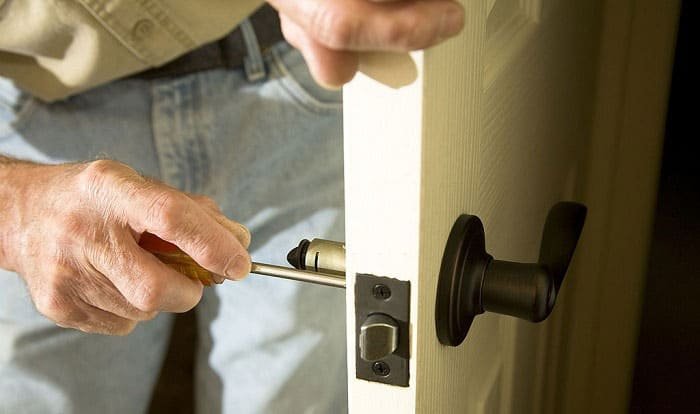
Inspect your door for sagging or shifting. Tighten loose hinges and ensure the strike plate is properly aligned with the deadbolt. If necessary, adjust the strike plate position or enlarge the hole slightly so the bolt can move freely.
3. Use the Right Key
Always use a key that is in good condition. If your key is bent or worn, have a new one cut from the original or a high-quality copy. Avoid forcing the key if it doesn’t turn easily, as this can damage the lock’s internal components.
4. Protect Against Weather Effects
Weatherstripping can help minimize the impact of temperature and humidity changes on your door and lock. If you live in an area with extreme weather, consider installing a lock designed to withstand such conditions.
5. Replace Worn or Damaged Locks
If your deadbolt is old, rusted, or showing signs of significant wear, replacement may be the best option. For guidance on when to upgrade, see the article on signs your deadbolt needs replacement.
Types of Deadbolts and Their Vulnerabilities
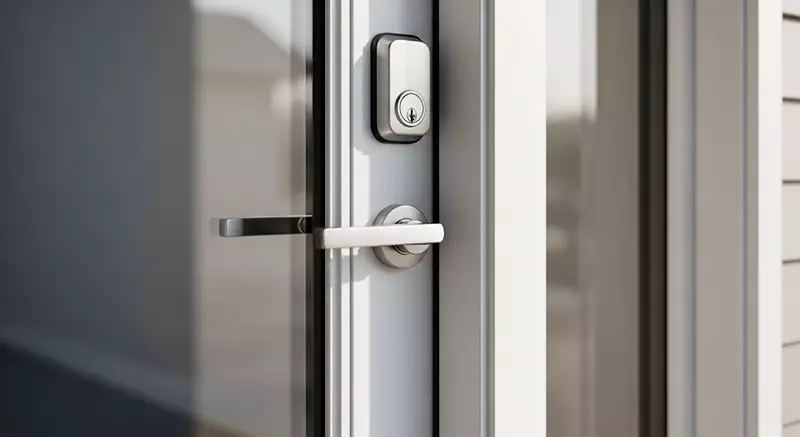
Not all deadbolts are created equal. Some designs are more prone to jamming due to their construction or materials. Understanding the differences can help you choose a lock that is less likely to cause problems in the future. For a comprehensive overview of various lock options, check out this guide to different types of deadbolt locks.
- Single Cylinder Deadbolts: Operated by a key from the outside and a thumb turn from the inside. These are common in residential settings and generally reliable, but can jam if the keyway becomes clogged or misaligned.
- Double Cylinder Deadbolts: Require a key on both sides. While they offer extra security, they have more moving parts and are slightly more susceptible to internal wear and jamming.
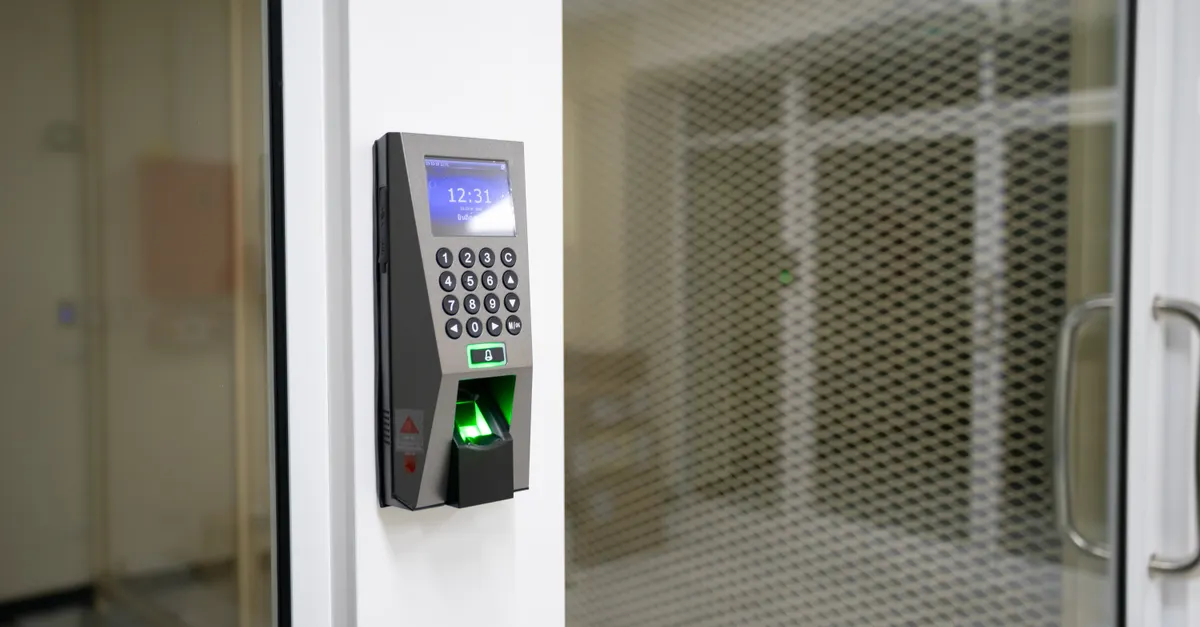
- Smart Deadbolts: Electronic locks can jam due to battery failure, software glitches, or mechanical misalignment. Regular checks and battery replacements are essential.
What to Do If Your Deadbolt Gets Stuck
If you find yourself dealing with a jammed lock, avoid forcing the key or handle, as this can cause further damage. Instead, try these steps:
- Gently wiggle the key while applying light pressure. Sometimes, a small adjustment is all that’s needed.
- Apply a lock lubricant to the keyway and try again.
- Check for visible obstructions or misalignment and adjust the door if possible.
- If the lock remains stuck, contact a professional locksmith to avoid damaging the door or lock mechanism.
For temporary solutions while waiting for repairs, you can explore temporary door security solutions to keep your property safe.
Maintaining Your Deadbolt for Long-Term Security
Routine maintenance is key to preventing lock problems. Here are a few habits to adopt:
- Inspect your locks monthly for signs of wear or misalignment.
- Lubricate the mechanism every three to six months.
- Replace keys that show signs of bending or excessive wear.
- Address door sagging or frame issues promptly.
- Consider upgrading to a higher-quality deadbolt if you experience frequent issues.
When staying in hotels or short-term rentals, it’s also wise to review hotel door deadbolt safety tips for added peace of mind.
Frequently Asked Questions
Why does my deadbolt suddenly become hard to turn?
This is often due to misalignment between the door and the strike plate, dirt buildup, or lack of lubrication. Weather changes can also cause the door or lock to swell, making the bolt harder to move.
Can I fix a jammed deadbolt myself?
Minor issues like dirt or lack of lubrication can often be resolved with cleaning and proper lubricant. However, if the lock is severely jammed, forcing it may cause more damage. In such cases, it’s best to call a locksmith.
How often should I maintain my deadbolt to prevent jamming?
Inspect and lubricate your deadbolt every three to six months. Regular maintenance helps prevent most common causes of jamming and extends the life of your lock.