Deadbolts are one of the most important components of home security, providing a crucial barrier against unwanted entry. Over time, however, even the most robust locks can wear down or become compromised. Recognizing the signs your deadbolt needs replacement is essential for maintaining the safety of your home or business. Ignoring these warning signals can leave your property vulnerable to break-ins or lockouts, so it’s important to stay vigilant and act promptly when issues arise.
In this guide, we’ll explore the most common indicators that your deadbolt may be failing, why timely replacement matters, and how to choose a new lock that meets your needs. For families concerned about everyday safety, you might also want to consider the best deadbolt for families with kids to ensure both security and ease of use.
Common Warning Signs Your Deadbolt Is Failing
Understanding the early symptoms of a failing lock can help you avoid unexpected lockouts or security breaches. Here are some of the most frequent signs your deadbolt needs replacement:
- Difficulty Turning the Key: If you notice increased resistance or the key gets stuck, the internal mechanism may be worn or misaligned.
- Loose or Wobbly Deadbolt: A lock that moves within the door or feels unstable is a clear signal of wear or improper installation.
- Visible Rust or Corrosion: Exposure to moisture can cause metal components to deteriorate, weakening the lock’s effectiveness.
- Key Won’t Insert or Remove Smoothly: If the key doesn’t glide in and out easily, the pins or cylinder may be damaged.
- Deadbolt Doesn’t Fully Extend: A bolt that doesn’t lock into place leaves your door partially unsecured.
- Unusual Sounds: Grinding, clicking, or squeaking noises can indicate internal damage or debris inside the lock.
Why Replacing a Faulty Deadbolt Matters
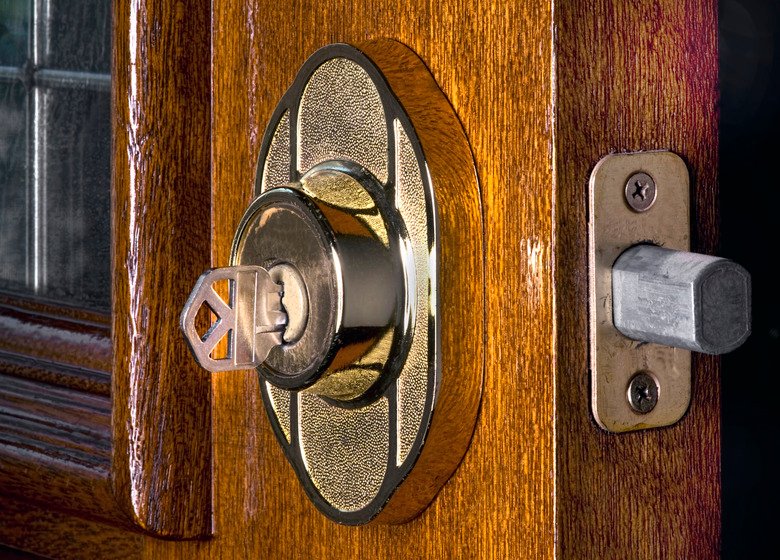
Delaying the replacement of a compromised lock can have serious consequences. A malfunctioning deadbolt not only makes it easier for intruders to gain access but can also leave you and your family locked out at the most inconvenient times. In some cases, a worn lock may even break entirely, requiring emergency locksmith services.
Replacing a deadbolt at the first sign of trouble ensures your property remains protected. It also gives you the opportunity to upgrade to a more secure or convenient model, such as those designed for families or home offices. If you’re looking for additional ways to improve your door’s security, check out these tips on how to secure doors without replacing locks.
Types of Damage That Signal It’s Time for a New Lock
Not all damage is immediately visible, but certain issues should never be ignored. Here are some examples of damage that indicate a lock is beyond repair:
- Broken Key in the Lock: Attempting to extract a snapped key can further damage the cylinder.
- Cracked or Bent Deadbolt: Physical force or attempted break-ins can deform the bolt, making it unreliable.
- Internal Mechanism Failure: If the lock spins freely or won’t engage, internal components may be irreparably damaged.
- Repeated Jamming: Persistent sticking or jamming, even after lubrication, suggests internal wear.
For a detailed look at the different types of deadbolts and their vulnerabilities, see this guide to common deadbolt types.
How to Test Your Deadbolt for Security and Functionality
Regularly testing your lock can help you spot problems before they become emergencies. Here’s a simple checklist:
- Insert and remove the key several times. It should move smoothly without resistance.
- Lock and unlock the deadbolt from both sides. The bolt should extend and retract fully.
- Check for wobbling or movement in the lock body.
- Inspect the strike plate and screws for tightness and alignment.
- Listen for unusual noises during operation.
If any of these tests reveal issues, it’s time to consider a replacement. For those who travel frequently, reviewing hotel door deadbolt safety tips can also be helpful for maintaining security away from home.
Choosing a Replacement Deadbolt
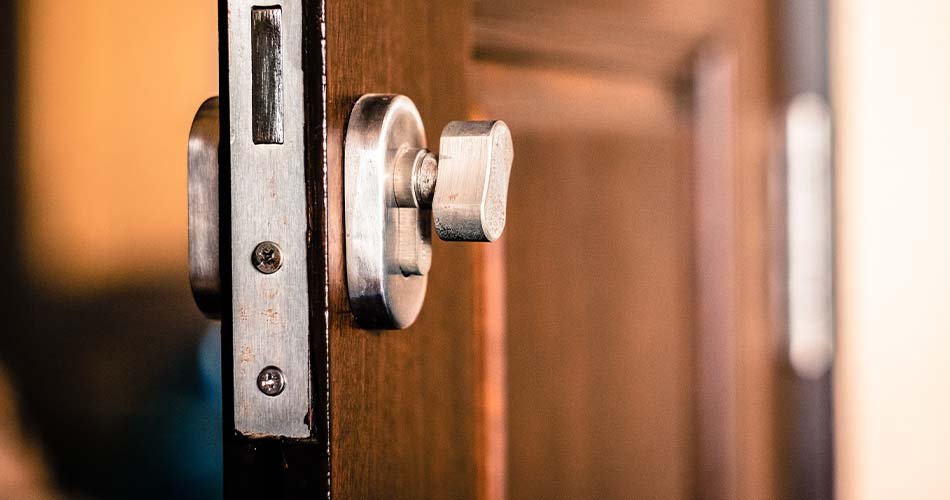
When it’s time to install a new lock, consider the following factors to ensure you select the right model:
- Security Grade: Look for locks rated Grade 1 or 2 for maximum protection.
- Material Quality: Solid brass, steel, or reinforced alloys offer better durability than cheaper metals.
- Ease of Use: Consider lever designs or smart locks for accessibility, especially in homes with children or elderly residents.
- Compatibility: Make sure the new lock fits your door’s thickness and existing cutouts.
- Additional Features: Some deadbolts offer keyless entry, anti-bump technology, or integration with home automation systems.
If you work from home, you might benefit from specialized locks designed for workspace security, such as the best deadbolt for home offices.
When to Call a Professional Locksmith
While some homeowners are comfortable replacing locks themselves, there are situations where professional help is recommended:
- You’re unsure about the installation process or proper alignment.
- The lock is part of a complex security system.
- There are signs of forced entry or tampering.
- You need to rekey multiple locks for consistency.
Professional locksmiths can also provide advice on upgrading your security or recommend temporary door security solutions if you need immediate protection before installing a new deadbolt.
Preventive Maintenance Tips to Extend Deadbolt Life
Regular care can help you avoid many of the issues that lead to lock failure. Here are some simple maintenance steps:
- Lubricate the keyway and moving parts with graphite or a lock-specific lubricant every six months.
- Tighten any loose screws on the lock and strike plate.
- Clean the exterior with a damp cloth to remove dirt and debris.
- Test the lock regularly for smooth operation.
- Replace keys that are bent or damaged to prevent internal wear.
By following these tips, you can extend the lifespan of your deadbolt and reduce the risk of unexpected failures.
FAQ: Deadbolt Replacement and Security
How often should I replace my deadbolt?
Most high-quality deadbolts can last 7–10 years with proper care, but you should replace yours immediately if you notice any of the warning signs discussed above. Environmental factors, frequency of use, and attempted break-ins can shorten a lock’s lifespan.
Can I upgrade to a smart deadbolt without changing my door?
Many modern smart deadbolts are designed to fit standard door preparations. However, always check the manufacturer’s specifications for compatibility with your door’s thickness and backset before purchasing.
What should I do if my deadbolt is sticking but not visibly damaged?
First, try lubricating the lock with a graphite-based product. If the problem persists, the internal mechanism may be worn or misaligned, and replacement is likely the best solution to ensure continued security.