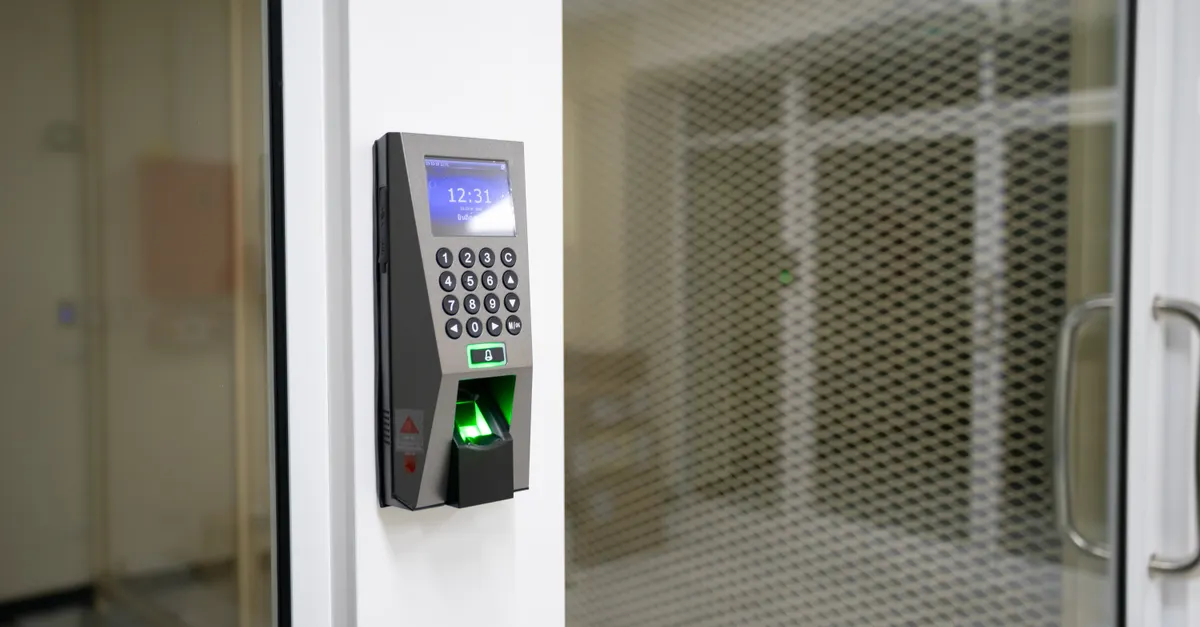
Ensuring your property meets licensed locksmith fire code compliance standards is crucial for safety, legal, and insurance reasons. Whether you manage a commercial building, oversee an apartment complex, or own a business, understanding the intersection of locksmith services and fire codes can help you avoid costly violations and protect occupants. This article explains what compliance means, why it matters, and how professional locksmiths play a vital role in keeping your premises up to code.
For property managers and owners seeking a broader understanding of locksmith regulations, the licensed locksmith HOA requirements guide offers additional insights into community-specific standards.

Understanding Fire Code Regulations for Locksmiths
Fire codes are sets of rules developed by local, state, and national authorities to ensure buildings are safe during emergencies. These codes address everything from exit routes to the types of locks allowed on doors. For locksmiths, complying with these codes means more than just installing locks—it requires a deep understanding of how security hardware interacts with emergency egress and fire safety systems.
Common fire code requirements related to locks include:
- Doors on escape routes must open easily without keys, tools, or special knowledge.
- Deadbolts and other locking devices should not impede emergency exit.
- Fire-rated doors must have approved hardware that does not compromise their integrity.
- Automatic closing and latching mechanisms for certain doors, especially in corridors and stairwells.
Non-compliance can result in fines, increased liability, or even closure of your facility until corrections are made.
Why Work With a Licensed Locksmith for Code Compliance?
Not all locksmiths are equally qualified when it comes to fire code expertise. A licensed locksmith is trained to understand both security and safety regulations. They stay updated on evolving codes and know how to select and install hardware that meets both security needs and legal requirements.

Here are some reasons to choose a certified professional:
- Expertise in fire code compliance: They understand the nuances of local and national fire codes, ensuring all work is up to standard.
- Proper documentation: Licensed professionals provide records that may be required during inspections or insurance claims.
- Reduced liability: Working with a qualified locksmith helps protect you from legal issues if an incident occurs.
- Access to approved hardware: They source locks and exit devices that are tested and certified for fire safety.
For a comprehensive checklist on what to look for when hiring, see the licensed locksmith compliance checklist.
Key Elements of Locksmith Fire Code Compliance
Achieving and maintaining compliance involves several important steps. Here’s what property owners and managers should focus on:
1. Selecting Approved Locking Devices
Only certain types of locks are permitted on fire exits and emergency doors. For example, panic bars (also known as crash bars) are often required on exit doors in public buildings. These devices allow doors to open quickly and easily during an emergency, even if locked from the outside.
2. Regular Inspection and Maintenance
Fire code compliance is not a one-time task. Locks, exit devices, and fire doors must be inspected regularly to ensure they function correctly. A licensed locksmith can schedule routine checks and address issues before they become violations.
3. Documentation and Record-Keeping
Keeping detailed records of all locksmith work, including installation dates, hardware specifications, and inspection results, is essential. This documentation is often requested during fire safety audits and can be critical in demonstrating compliance.
4. Staff Training and Awareness
Employees and tenants should be aware of which doors are designated fire exits and understand that these must remain unobstructed and unlocked from the inside. Training can prevent accidental violations, such as blocking an exit or installing unauthorized locks.
Common Mistakes That Lead to Non-Compliance
Even well-intentioned property owners can fall short of fire code standards. Some frequent errors include:
- Installing deadbolts or key-operated locks on exit doors.
- Failing to maintain or test panic hardware and automatic closers.
- Blocking fire exits with furniture or displays.
- Using non-compliant or uncertified hardware.
- Neglecting to update locks after renovations or code changes.
To avoid these pitfalls, always consult with a licensed locksmith who specializes in fire code regulations. For additional peace of mind, review the licensed locksmith liability coverage guide to understand your responsibilities and protections.
Choosing a Qualified Locksmith for Fire Code Needs
Selecting the right professional is key to staying compliant. Look for locksmiths who are not only licensed and insured but also have experience with fire code projects. Ask for references, proof of certification, and documentation of previous compliance work.
To avoid scams and ensure you’re working with a reputable provider, refer to this guide on choosing a licensed, bonded, and insured locksmith for practical tips.
For property managers, the licensed locksmith for property managers resource outlines best practices for ongoing compliance and collaboration.
Maintaining Compliance Over Time
Fire codes and building regulations are updated regularly. It’s important to stay informed about changes that may affect your property. Establishing a relationship with a knowledgeable locksmith ensures you receive timely updates and proactive service.
Additionally, keeping up with licensed locksmith fire code compliance can positively impact your insurance rates and reduce liability in the event of an emergency. Insurers often require proof of compliance before issuing or renewing policies.
For more information on proper documentation, see the licensed locksmith invoice standards article.
FAQ
What types of locks are allowed on fire exit doors?
Fire exit doors typically require hardware that allows for immediate egress without keys or special knowledge. Panic bars, push pads, and lever handles are commonly approved. Deadbolts or double-cylinder locks are generally not permitted on these doors.
How often should fire doors and exit hardware be inspected?
Inspections should be conducted at least annually, though some jurisdictions may require more frequent checks. Regular maintenance by a licensed locksmith ensures all components remain functional and compliant.
Can I install additional security on fire exits?
Additional security measures are possible, but they must not impede emergency egress. Always consult with a professional to ensure any upgrades meet both security and fire code requirements.