When you need help with a lockout or a broken key, finding a trustworthy locksmith quickly is crucial. Unfortunately, not every provider advertising locksmith services is legitimate. Many unsuspecting people have fallen victim to scams, losing money or even compromising their security. Recognizing the warning signs of fake locksmiths can help you avoid costly mistakes and keep your property safe.
This article outlines the most common red flags to watch for when hiring a locksmith, practical steps to verify a provider’s legitimacy, and what to do if you suspect a scam. If you want to learn more about industry standards and transparency, you may also find the licensed locksmith service transparency rules helpful as a reference for what to expect from reputable professionals.

How Locksmith Scams Operate
Scammers often use aggressive online advertising and misleading business listings to appear legitimate. They may promise low prices, fast service, and even claim to be local, but their actual operations are far from trustworthy. Understanding their tactics is the first step in protecting yourself from fraud.
- They may use generic business names and fake local addresses to appear in search results.
- Phone calls are often routed to call centers, not local shops.
- Technicians may arrive in unmarked vehicles with no identification.
- Initial quotes are low, but the final bill is inflated with hidden fees.
- Some may use forceful or damaging methods to open locks, leading to unnecessary repairs.
Key Red Flags: Spotting the Signs of a Locksmith Scam
Being able to identify the warning signs of fake locksmiths can save you time, money, and stress. Here are some of the most common indicators that a locksmith may not be legitimate:
1. Suspiciously Low Quotes
If a locksmith advertises a service call for $15 or $20, be wary. These rates are often bait to get you to commit. Once on site, the technician may claim the job is more complicated and demand much higher fees. Always ask for a written estimate before agreeing to any work.
2. Lack of Proper Identification
Legitimate locksmiths should arrive in a marked vehicle and provide identification, including a business card and, in many states, a license. If the technician refuses to show credentials or seems evasive, this is a strong warning sign.
3. No Physical Address or Fake Locations
Many fraudulent locksmiths list addresses that do not exist or belong to unrelated businesses. Before calling, check the company’s address online or on maps. If the location is a parking lot, residence, or cannot be found, consider it a red flag.
4. Unmarked Vehicles and No Uniform
Professional locksmiths typically drive vehicles with company logos and wear uniforms or branded clothing. Someone arriving in an unmarked car, without any company identification, should be treated with caution.
5. Vague or Generic Business Names
Scam operations often use generic names like “Locksmith Services” or “24/7 Locksmith” to avoid accountability. If the business name on the phone or invoice does not match what you saw online, this is a sign of potential fraud.
Verifying a Locksmith’s Credentials
To avoid falling victim to scams, take a few minutes to verify the credentials of any locksmith you consider hiring. Here’s how you can protect yourself:
- Check for a valid license if your state requires locksmith licensing. Ask for the license number and verify it with local authorities.
- Ask for identification and a business card when the technician arrives.
- Look for a marked vehicle and uniform with the company’s branding.
- Request a written estimate before any work begins. Be wary of technicians who refuse or try to rush you.
- Read online reviews and check ratings with the Better Business Bureau or similar organizations.
For more information about what documentation a reputable locksmith should provide, see the licensed locksmith documentation for insurance guide.
Common Tactics Used by Fraudulent Locksmiths
Understanding the strategies used by scam artists can help you stay vigilant. Here are some common tactics:
- High-pressure sales: Insisting that your lock is “high security” and must be drilled, even when it’s not necessary.
- Unexplained fees: Adding charges for “emergency service,” “labor,” or “hardware” that were not disclosed upfront.
- Refusal to provide a receipt: Making it difficult to dispute charges or report the incident later.
- Demanding cash payment: Avoiding credit cards or checks to reduce traceability.
Protecting Yourself from Locksmith Scams
There are several practical steps you can take to reduce your risk of being scammed:
- Research before you need help: Save the contact information of a trusted, local locksmith in advance.
- Verify credentials: Always ask for identification, licensing, and proof of insurance.
- Get a clear estimate: Insist on a written quote before work begins and clarify any additional fees.
- Pay attention to reviews: Look for consistent, positive feedback and avoid companies with many complaints.
- Trust your instincts: If something feels off, don’t be afraid to refuse service and seek another provider.
For more on how to prepare for emergencies and avoid scams, you might want to review the licensed locksmith emergency preparedness guide.
What to Do If You Suspect a Scam
If you believe you have encountered a fraudulent locksmith, take the following steps:
- Do not pay in cash if possible. Use a credit card to create a paper trail.
- Request an itemized receipt with the company’s name and contact information.
- Document the technician’s vehicle, appearance, and any communication.
- Report the incident to local authorities and consumer protection agencies.
- Leave honest reviews online to warn others.
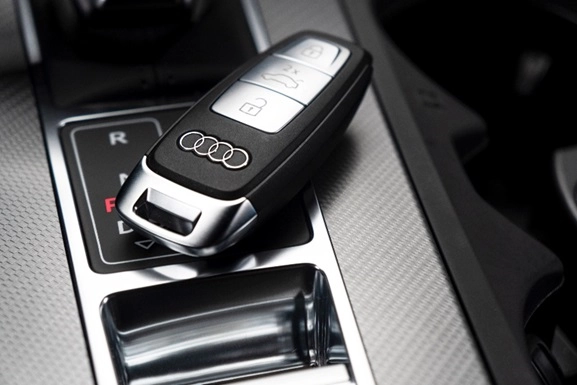
Staying informed and vigilant is the best defense against scams. If you’re dealing with specialized keys, such as transponder or smart keys, it’s especially important to verify expertise. For more details on different types of car keys and their functions, see this comprehensive guide to car key types.
FAQ: Avoiding Locksmith Scams
How can I check if a locksmith is licensed?
Ask the technician for their license number and verify it with your state’s licensing board or regulatory agency. Many states require locksmiths to display their license on their vehicle and provide it upon request.
What should I do if a locksmith tries to overcharge me?
Refuse to pay any amount that was not agreed upon in writing before the work began. If you feel pressured or threatened, call local law enforcement. Always request an itemized receipt and use a credit card for payment when possible.
Are all locksmiths who advertise online trustworthy?
No, many scammers use online ads and fake listings to lure customers. Always verify the company’s physical address, read reviews, and check for proper credentials before hiring anyone.
Can I get help with insurance claims for locksmith services?
Yes, reputable providers often assist with insurance claims. For more information, see the licensed locksmith insurance claim assistance guide.