Homeowners often seek ways to improve their property’s security without the expense of replacing every lock. Rekeying, when performed by a licensed locksmith, offers a cost-effective and secure solution. This comprehensive guide explains what residential rekeying involves, why professional credentials matter, and how to make informed choices for your home’s safety.
Understanding the process and benefits of working with certified professionals can help you avoid common pitfalls and ensure your locks are serviced to the highest standards. Before diving into the details, it’s important to recognize how rekeying fits into broader security strategies. For more on industry best practices, see our licensed locksmith security best practices resource.
What Is Residential Rekeying?
Rekeying is the process of altering a lock’s internal mechanism so that it works with a new key, rendering any previous keys useless. Unlike replacing the entire lock hardware, this method keeps the existing lock body but changes the pins or tumblers inside. This approach is especially useful after moving into a new home, losing keys, or experiencing a security breach.
The main advantage is that rekeying is typically faster and more affordable than full lock replacement, while still providing a fresh layer of security. It’s a popular choice for homeowners seeking peace of mind without major hardware upgrades.
Why Choose a Licensed Locksmith for Rekeying?
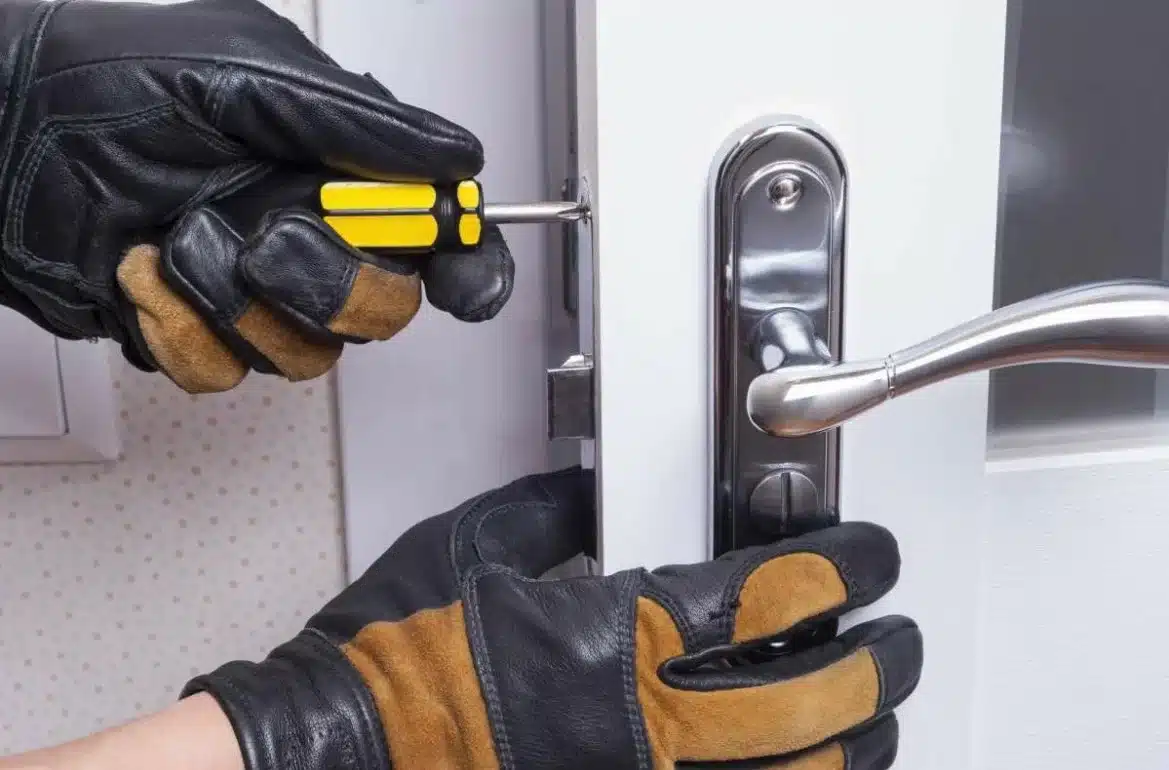
Entrusting your home’s security to a licensed locksmith ensures you receive service from a trained and vetted professional. Licensed experts are required to follow industry regulations, maintain ethical standards, and stay updated on the latest security technologies. This reduces the risk of improper installation or potential security vulnerabilities.
Unlicensed providers may offer lower prices, but they often lack the necessary training or accountability. For a detailed comparison, see this explanation of the differences between licensed and unlicensed locksmiths.
- Accountability: Licensed professionals are subject to oversight and can be held responsible for their work.
- Expertise: They possess up-to-date knowledge of lock systems and security protocols.
- Insurance: Many are insured, protecting you from accidental damage or liability.
- Ethics: They adhere to strict codes of conduct, as outlined in resources like our licensed locksmith ethics training guide.
When Should Homeowners Consider Rekeying?
There are several scenarios where rekeying is the most practical option for homeowners:
- Moving into a new residence, to ensure previous occupants no longer have access.
- After losing a set of keys or suspecting unauthorized key duplication.
- Following a break-in or attempted burglary.
- When a roommate, tenant, or employee moves out and you want to restrict access.
- To simplify your keyring by making all locks operate with a single key, provided the locks are compatible.
In each of these cases, rekeying by a qualified locksmith provides a quick and effective way to restore control over your home’s entry points.
Step-by-Step Overview of the Rekeying Process
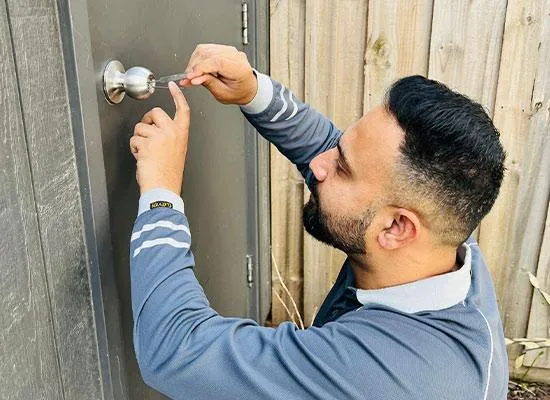
Understanding what to expect during a rekeying service can help you prepare and ask informed questions. Here’s how a typical visit from a licensed locksmith unfolds:
- Assessment: The locksmith inspects your existing locks to determine compatibility and condition.
- Disassembly: The lock cylinder is removed from the door.
- Pin Replacement: Internal pins or tumblers are rearranged or replaced to match a new key pattern.
- Reassembly: The cylinder is reinstalled and tested for smooth operation.
- Key Provision: New keys are cut and provided to the homeowner.
- Final Testing: The locksmith checks all rekeyed locks to ensure proper function and security.
The entire process is usually completed within an hour for standard locks, though timing can vary based on the number of locks and their complexity.
Benefits of Rekeying Over Lock Replacement
Many homeowners wonder whether to rekey or replace their locks. Rekeying offers several distinct advantages:
- Cost Savings: Retaining existing hardware is generally less expensive than purchasing new locks.
- Convenience: The process is quicker and less disruptive to your daily routine.
- Environmental Impact: Reduces waste by reusing lock components.
- Customization: Allows for keying multiple locks alike for easier access management.
However, if locks are damaged, outdated, or incompatible with modern security standards, replacement may be the better option. A licensed locksmith can advise on the best course of action for your situation.
How to Choose a Qualified Locksmith for Home Rekeying
Selecting the right professional is crucial for both security and peace of mind. Consider these tips when hiring:
- Verify licensing and credentials—ask to see proof before work begins.
- Check for insurance coverage in case of accidental damage.
- Read reviews or request references from previous clients.
- Ask about ongoing training and adherence to licensed locksmith continuing professional development standards.
- Request a written estimate and clarify any additional fees.
Working with a reputable provider ensures your locks are serviced correctly and your home’s security is not compromised.
Legal and Industry Standards for Residential Rekeying
Locksmithing is regulated in many regions to protect consumers from fraud and substandard work. Licensed professionals must comply with local laws, industry codes, and ethical guidelines. For an overview of these requirements, consult our licensed locksmith industry standards summary.
Violations or unlicensed work can lead to legal consequences for both the provider and the homeowner. For more on this topic, see our resource on licensed locksmith legal consequences.
Frequently Asked Questions
How often should I rekey my home’s locks?
It’s wise to rekey whenever you move into a new property, lose keys, or experience a security incident. As a general rule, consider rekeying every few years or after any change in household occupancy.
Can all locks be rekeyed, or are some incompatible?
Most standard pin tumbler locks can be rekeyed, but some specialty or high-security locks may require specific parts or may not be rekeyable. A licensed locksmith can assess your locks and recommend the best solution.
Is rekeying as secure as replacing the locks entirely?
Rekeying is just as secure as replacing the lock, provided the existing hardware is in good condition and performed by a qualified professional. If your locks are damaged or outdated, replacement may be necessary for optimal security.