Deadbolts are a cornerstone of home security, providing a crucial barrier against unauthorized entry. However, even the best locks can degrade, leaving your doors vulnerable. Understanding why deadbolts fail over time is essential for anyone who wants to keep their property secure and avoid unexpected lockouts or costly replacements. This article explores the most common reasons behind deadbolt deterioration, how to spot early warning signs, and practical steps you can take to extend the lifespan of your locks.
Before diving into the technical details, it’s worth noting that regular maintenance and awareness can prevent many issues associated with aging deadbolts. If you’re unsure about your current lock’s condition, learning how to test deadbolt security is a smart first step to ensure your home remains protected.
Common Causes of Deadbolt Wear and Failure
Locks are mechanical devices, and like any mechanism, they are subject to wear and tear. Several factors contribute to the gradual decline of deadbolts, some of which can be prevented with proper care. Here are the most frequent reasons deadbolts stop working effectively:
- Friction and Internal Wear: Over time, the internal components of a deadbolt—such as pins, springs, and tumblers—can wear down. This leads to increased friction, making the lock harder to turn and more likely to jam.
- Exposure to the Elements: Exterior deadbolts are exposed to moisture, temperature fluctuations, and dirt. These environmental factors can cause rust, corrosion, and the buildup of debris inside the lock.
- Poor Installation: If a deadbolt is not aligned properly with the strike plate, it can cause stress on the locking mechanism every time it’s used. Misalignment accelerates wear and can lead to premature failure.
- Frequent Use: High-traffic doors experience more cycles of locking and unlocking, which naturally leads to faster deterioration of moving parts.
- Low-Quality Materials: Cheaper locks often use inferior metals and plastics, which are more prone to bending, breaking, or corroding.
How Environmental Factors Impact Deadbolt Longevity
Environmental conditions play a significant role in why deadbolts fail over time. Locks installed on exterior doors are especially vulnerable to the effects of weather and pollution. Here’s how the environment can affect your deadbolt’s performance:
- Moisture and Humidity: Water can seep into the lock mechanism, causing rust and corrosion. In humid climates, condensation inside the lock can also lead to sticky or seized components.
- Temperature Changes: Metal expands and contracts with temperature fluctuations. Repeated cycles of freezing and thawing can weaken the internal structure of the lock and cause parts to misalign.
- Dirt and Debris: Dust, pollen, and airborne particles can accumulate inside the lock, interfering with the smooth movement of pins and springs.
To minimize environmental damage, consider installing weather-resistant locks and using protective covers where possible. Regular cleaning and lubrication can also help prevent these issues from developing.
Mechanical Issues and Signs of Failing Deadbolts
Recognizing the early symptoms of a failing deadbolt can help you address problems before they compromise your security. Some of the most common mechanical issues include:
- Difficulty Turning the Key: If you notice increased resistance or the key gets stuck, internal components may be worn or misaligned.
- Loose or Wobbly Lock: Screws and mounting hardware can loosen over time, causing the lock to shift or rattle in the door.
- Deadbolt Doesn’t Fully Extend: Misalignment or internal damage can prevent the bolt from engaging completely, reducing its effectiveness.
- Unusual Noises: Grinding, squeaking, or clicking sounds often indicate internal wear or debris inside the mechanism.
If you encounter any of these problems, it’s important to address them promptly. For more guidance on specific issues, such as what causes deadbolt jamming or how to repair sticky deadbolts, consult detailed resources to avoid further damage.

How to Prolong the Life of Your Deadbolt
While all locks will eventually wear out, there are several practical steps you can take to maximize their lifespan and maintain reliable security:
- Regular Lubrication: Use a graphite-based lubricant or a lock-specific spray every six months to keep internal parts moving smoothly. Avoid oil-based products, which can attract dust and gum up the mechanism.
- Clean the Lock Cylinder: Blow compressed air into the keyhole to remove dust and debris. Wipe the exterior with a damp cloth to prevent grime buildup.
- Check Alignment: Ensure the deadbolt lines up perfectly with the strike plate. If the bolt rubs or doesn’t slide easily, adjust the plate or door hinges as needed.
- Tighten Hardware: Periodically check and tighten all screws on the lock and door to prevent loosening over time.
- Replace Worn Keys: Bent or worn keys can damage the lock’s internal components. Replace keys that show signs of wear to avoid unnecessary stress on the mechanism.
- Upgrade When Necessary: If your lock shows persistent problems or is made from low-quality materials, consider upgrading to a higher-grade deadbolt. For more on when to replace, see signs your deadbolt needs replacement.
Choosing the Right Deadbolt for Longevity
Not all deadbolts are created equal. Investing in a quality lock can make a significant difference in how long it lasts and how well it protects your home. When selecting a new deadbolt, consider the following factors:
- Material Quality: Look for locks made from solid brass, steel, or other durable metals. Avoid models with plastic internal components.
- ANSI/BHMA Ratings: The American National Standards Institute (ANSI) and Builders Hardware Manufacturers Association (BHMA) rate locks based on strength and durability. Grade 1 locks offer the highest level of security and longevity.
- Weather Resistance: For exterior doors, choose deadbolts with weather-resistant finishes and seals to prevent corrosion.
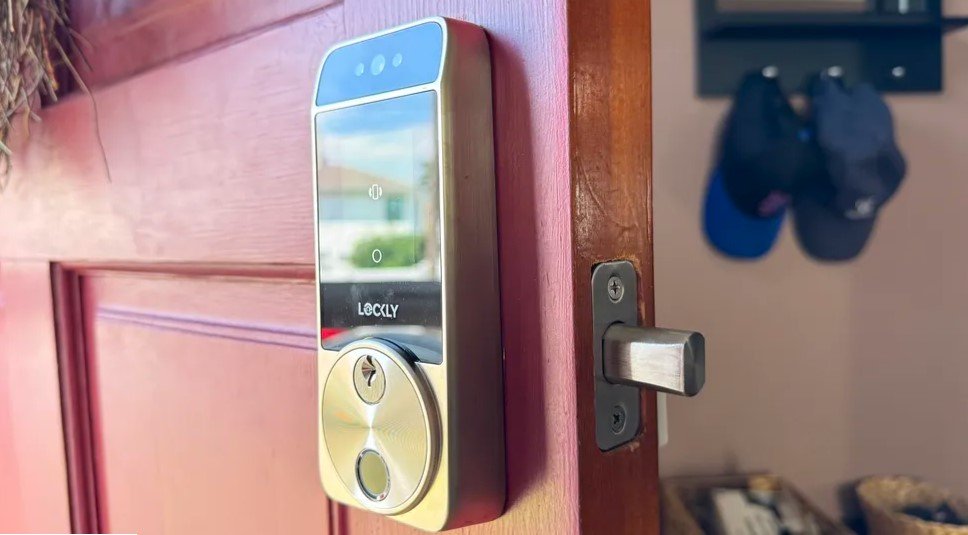
- Lock Type: There are several types of deadbolts, including single-cylinder, double-cylinder, and smart locks. Each has its own advantages and maintenance requirements. For a detailed overview, see this guide to different types of deadbolt locks.
When Repair Isn’t Enough: Replacing Old Deadbolts
Even with diligent care, there comes a point when repair is no longer practical. Persistent jamming, visible rust, or a lock that no longer feels secure are clear indicators that replacement is necessary. Upgrading to a modern, high-quality deadbolt not only restores security but can also provide additional features such as pick resistance or smart access options.
If you need a temporary fix while waiting for a replacement, consider temporary door security solutions to maintain safety in the interim.
FAQ: Deadbolt Maintenance and Longevity
How often should I lubricate my deadbolt?
It’s recommended to lubricate your deadbolt every six months with a graphite-based or lock-specific lubricant. Regular lubrication ensures smooth operation and helps prevent internal wear.
What are the signs that my deadbolt needs to be replaced?
Common indicators include persistent jamming, difficulty turning the key, visible rust or corrosion, and a loose or wobbly lock. If repairs don’t resolve these issues, replacement is the best option.
Can weather really affect how long my deadbolt lasts?
Yes, exposure to moisture, temperature changes, and dirt can accelerate wear and cause corrosion. Using weather-resistant locks and performing routine maintenance can help mitigate these effects.