Improving the security of your entryways doesn’t always require a full lock replacement. Many homeowners and renters want to know how to secure doors without replacing locks, especially when dealing with rental agreements, budget constraints, or simply wanting to enhance safety quickly. Fortunately, there are several effective and affordable strategies to reinforce your doors, making them more resistant to forced entry and everyday wear—without the need to install a brand-new locking system.
This guide explores practical solutions, from adding secondary hardware to reinforcing weak points, so you can boost your home’s protection with minimal hassle. Whether you’re concerned about front doors, side entries, or even back entrances, these methods can make a significant difference in your peace of mind.
For those looking to address specific vulnerabilities, such as back entrances, you may find additional tips in our article on how to secure a back door, which covers unique risks and solutions for less visible entry points.
Why Reinforce Doors Instead of Replacing Locks?
There are several reasons you might want to upgrade your door security without changing the existing lock:
- Cost-effectiveness: Reinforcement hardware and accessories are often less expensive than a full lock replacement.
- Rental restrictions: Many leases prohibit tenants from changing locks, but allow for non-invasive upgrades.
- Convenience: Adding security features is usually a quick DIY project, avoiding the need for locksmith appointments or rekeying.
- Preserving aesthetics: You can maintain the original look of your door while still improving its strength.
Understanding these benefits helps you choose the right approach for your property and situation.
Top Methods for Door Security Without Lock Replacement
Let’s look at the most effective ways to enhance entryway protection while keeping your current lock in place. These solutions address common weaknesses and can be combined for layered security.
1. Add a Door Reinforcement Plate
One of the simplest upgrades is installing a reinforcement plate around your existing lock. These metal plates strengthen the area around the latch or deadbolt, making it much harder for intruders to kick in or pry open the door. Most plates are designed for easy installation and don’t require advanced tools.
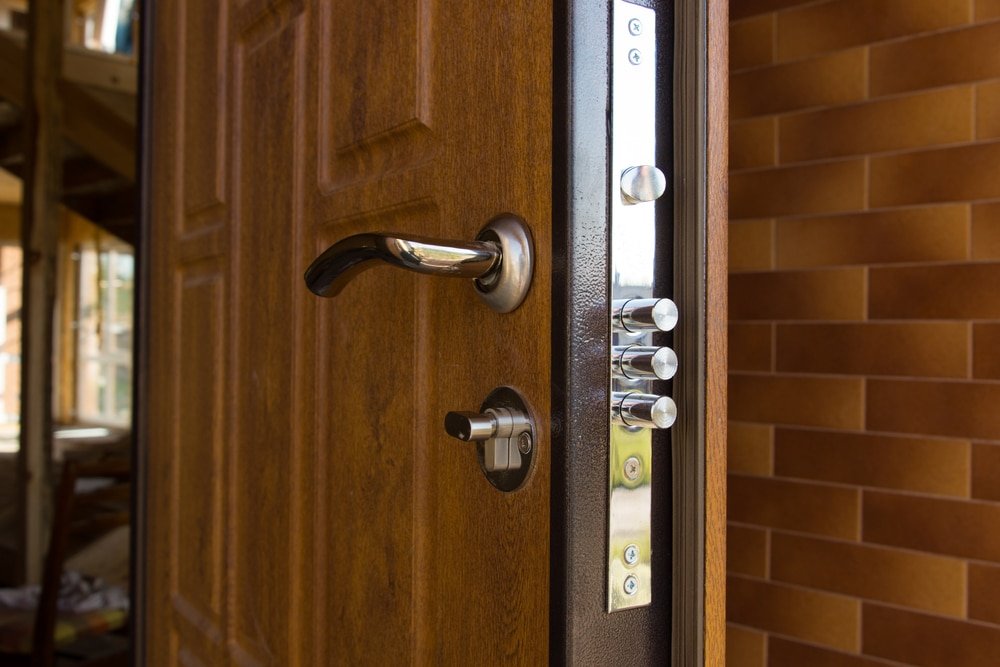
To install, simply remove the screws from your lock’s faceplate, position the reinforcement plate, and secure it with longer, heavy-duty screws. This small change can significantly increase resistance to forced entry.
2. Upgrade Strike Plates and Screws
The strike plate is the metal piece attached to the door frame that receives the latch or deadbolt. Standard strike plates are often held in place with short screws that only anchor into the door jamb’s trim, making them a weak point. Replacing these with a heavy-duty strike plate and using 3-inch screws that reach into the wall stud offers a major security boost.
This method is highly recommended by security experts and is a key topic in many professional home security guides. Reinforced strike plates are inexpensive and can be installed in under 30 minutes with basic tools.
3. Install Secondary Security Devices
Adding extra hardware is a proven way to secure doors without replacing locks. Some popular options include:
- Door jammers: Portable devices that wedge under the door, preventing it from being forced open from the outside.
- Security bars: Adjustable bars placed between the door and floor or wall, ideal for sliding or patio doors.
- Surface-mounted bolts: Simple sliding bolts or chain locks that provide an extra layer of protection, especially useful for interior doors or when you’re home.
These devices are easy to install and remove, making them suitable for renters and frequent travelers.
4. Reinforce Hinges and Door Edges
Hinges can be a vulnerability, especially if they’re installed with short screws or are exposed on the exterior. To strengthen them:
- Replace existing screws with longer, 3-inch screws that anchor into the door frame’s stud.
- Install hinge bolts or security studs to prevent the door from being removed even if the hinge pins are tampered with.
- Check for loose or damaged hinges and replace them as needed.
Reinforcing hinges is a simple step that can make a big difference in overall door strength.
5. Use Door Sensors and Smart Alerts
While not a physical barrier, installing door sensors or smart alarms can notify you instantly if someone tries to open your door. Many modern systems are wireless and can be installed without drilling or permanent changes. These devices add a layer of deterrence and give you peace of mind, especially when combined with physical reinforcements.
Additional Tips for Entryway Security
Beyond hardware upgrades, consider these best practices to further protect your home:
- Keep entryways well-lit to deter intruders.
- Trim shrubs and trees near doors to eliminate hiding spots.
- Don’t leave spare keys under mats or in obvious places.
- Regularly inspect doors for signs of wear or tampering.
For those living in apartments or condos, you may also want to review our advice on deadbolt security for condos to address unique building challenges.
When Should You Consider a Full Lock Replacement?
While these strategies are effective, there are situations where replacing your lock is the safest option. Consider a new lock if:
- Your current lock is damaged, outdated, or malfunctioning.
- You’ve lost keys or suspect unauthorized copies exist.
- The lock is of poor quality or lacks modern security features.
For most other cases, the methods outlined above will provide a substantial security upgrade with minimal investment.
FAQ: Door Security Without Changing Locks
Can I improve my door’s security if I rent and can’t change the lock?
Yes, you can use non-permanent solutions like door jammers, portable security bars, and reinforcement plates that don’t require altering the lock or door frame. Always check your lease, but most landlords allow these upgrades as they don’t damage the property.
Are longer screws really necessary for strike plates and hinges?
Absolutely. Standard screws only anchor into the trim, which is easy to break. Using 3-inch screws ensures the hardware is secured into the wall stud, making it much harder for an intruder to force the door open.
What’s the best way to secure sliding or patio doors?
Sliding doors are particularly vulnerable. Use a security bar or rod in the track to prevent the door from being forced open. Consider adding a pin lock or a secondary latch for extra protection.
Conclusion
Learning how to secure doors without replacing locks empowers you to protect your home efficiently and affordably. By reinforcing hardware, adding secondary devices, and following best practices, you can significantly enhance your entryway’s resistance to intrusion. For more specialized advice, explore our resources on hotel door deadbolt safety tips or discover the best deadbolt for side entry doors to cover every access point in your property.