Back doors are often overlooked when it comes to home security, yet they are a common target for break-ins. Many homeowners focus on the front entrance, but a weak or unprotected rear entry can compromise the safety of your entire property. Understanding how to secure a back door is essential for anyone looking to strengthen their home’s defenses and deter unwanted intruders.
In this guide, we’ll cover practical steps and proven strategies to reinforce a vulnerable entryway. From upgrading locks to adding physical barriers and improving visibility, these tips will help you protect your home and gain peace of mind. For those considering a lock upgrade, you may also want to explore the best deadbolt for side entry doors to further enhance your security setup.
Why Rear Entrances Are Often Targeted
Burglars frequently choose back doors because they are less visible from the street and neighbors, making it easier to break in without being noticed. These entry points may also have older locks, weaker frames, or glass panels that can be exploited. Understanding the risks associated with rear access points is the first step toward effective protection.
- Low visibility: Fewer passersby means less chance of being caught in the act.
- Outdated hardware: Many homes have older or basic locks on secondary doors.
- Structural weaknesses: Wooden frames or glass panels can be forced or broken.
Assessing Your Current Security Measures
Before making upgrades, evaluate the existing condition of your back entry. Check for:
- Loose or damaged door frames
- Worn-out locks or latches
- Gaps around the door that could be pried open
- Glass panels without reinforcement
Addressing these issues lays the foundation for a more secure entryway. If you’re unsure about the best approach, consulting a professional locksmith can provide valuable insights and recommendations.
Upgrading Locks for Enhanced Protection
One of the most effective ways to improve back door security is by installing high-quality locks. Standard knob locks are often insufficient, as they can be easily bypassed. Consider these options for a stronger defense:
- Deadbolts: A solid deadbolt adds a significant barrier against forced entry. For a detailed comparison of lock types, see our door chain vs deadbolt comparison.
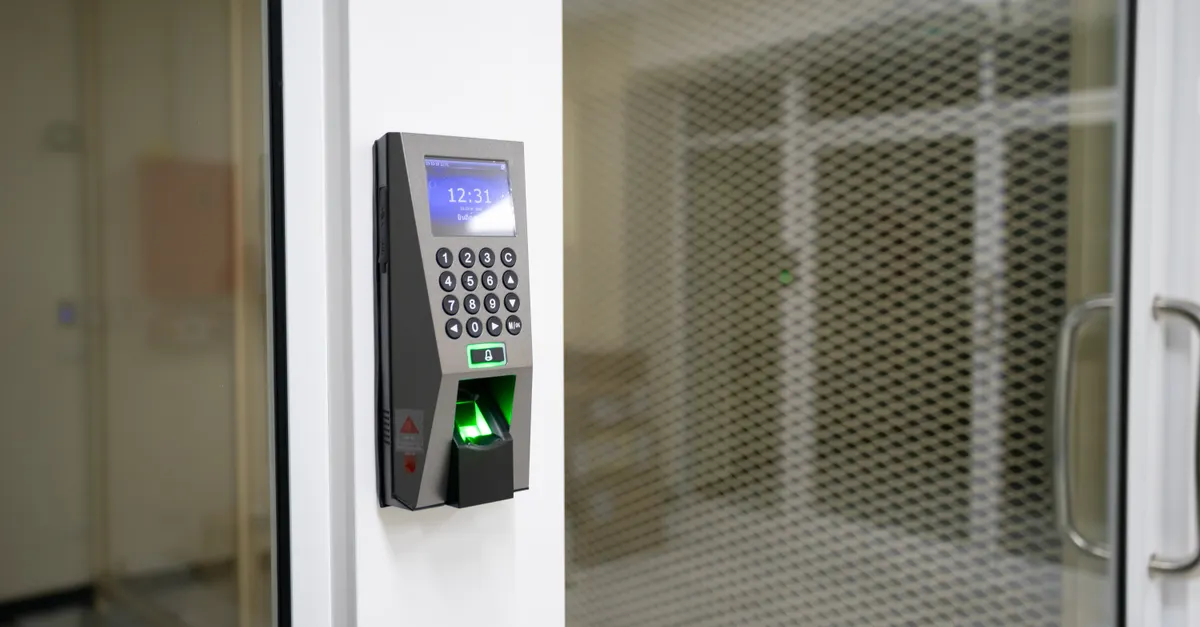
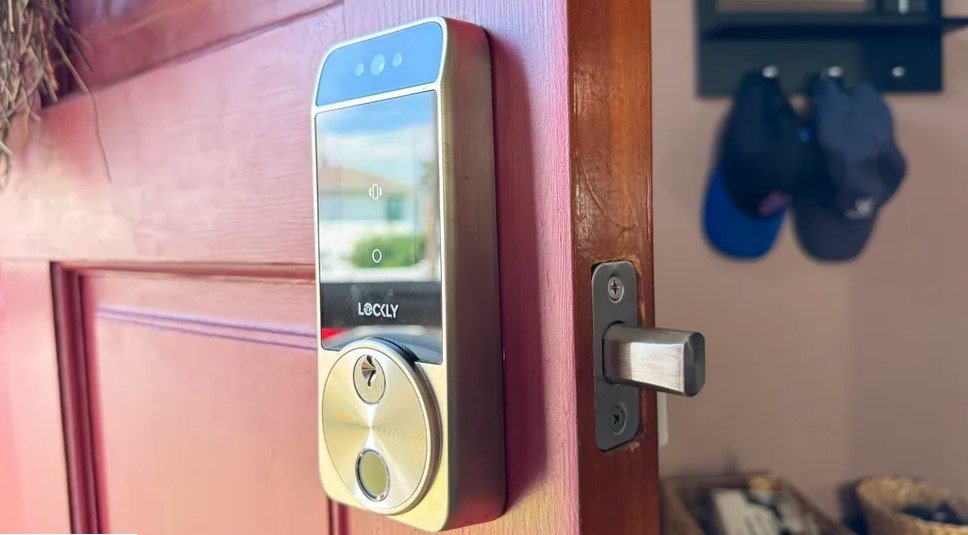
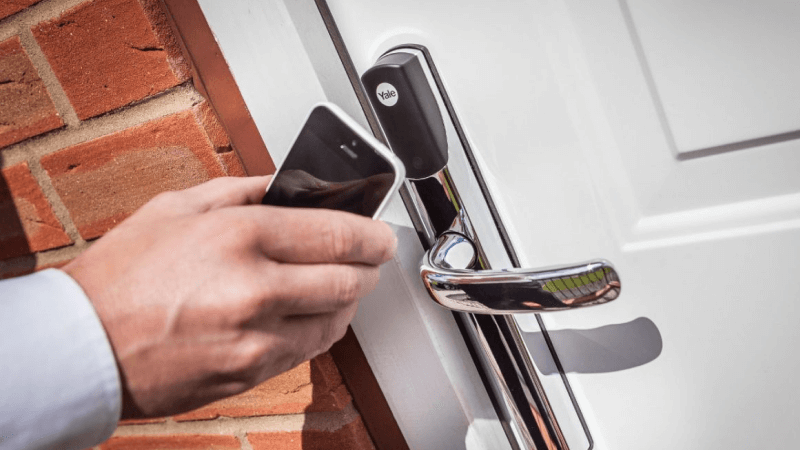
- Smart locks: These offer keyless entry and can alert you to unauthorized access attempts.
- Reinforced strike plates: Upgrading to a heavy-duty strike plate with long screws helps prevent the door from being kicked in.
When choosing a lock, look for models that are rated for exterior use and have been tested for durability. You can learn more about different types of deadbolts and their features from this comprehensive guide to deadbolt locks.
Physical Reinforcements for a Stronger Entry
Beyond locks, there are several ways to make your back door more resistant to break-ins:
- Door jammers and security bars: These devices provide an additional physical barrier, making it much harder to force the door open.
- Hinge reinforcement: Replace standard hinge screws with longer, 3-inch screws to anchor the door more securely to the frame.
- Security film for glass: Apply a clear, shatter-resistant film to any glass panels to prevent easy breakage.
- Solid core doors: If your rear entry is hollow-core, consider upgrading to a solid wood or metal door for better protection.

Improving Visibility and Deterrence
Criminals prefer to operate in darkness and out of sight. Increasing visibility around your back entrance can discourage break-ins:
- Motion-activated lighting: Install lights that turn on when movement is detected near the door.
- Trim landscaping: Keep bushes and trees pruned so they don’t provide cover for intruders.
- Visible security cameras: Even a basic camera setup can make a would-be burglar think twice.
- Warning signs: Display signs indicating the presence of an alarm system or surveillance, even if you don’t have one.
Combining these measures with strong locks and reinforcements creates a layered approach that significantly boosts your home’s safety.
Routine Maintenance and Security Habits
Even the best security hardware won’t help if it’s not used correctly. Develop habits that support your efforts to protect your home:
- Always lock the door, even when you’re home or just stepping outside briefly.
- Check locks and hardware regularly for signs of wear or tampering.
- Don’t leave spare keys hidden near the door; use a secure lockbox if needed.
- Update your security measures if you lose a key or move into a new residence.
Staying vigilant and proactive can make a significant difference in preventing unauthorized access.
Professional Installation and Advanced Options
While many upgrades can be completed by a confident DIYer, some situations call for expert help. Professional locksmiths can:
- Install high-security deadbolts and smart locks
- Reinforce door frames and hinges
- Advise on the best security solutions for your specific needs
If you’re interested in learning about the process, check out our article on how locksmiths install deadbolts for a detailed overview.
Frequently Asked Questions
What is the most secure type of lock for a rear entry?
A high-quality deadbolt is generally considered the most secure option for exterior doors. Look for models with a hardened steel bolt and reinforced strike plate. For added convenience and security, smart deadbolts with keyless entry and remote monitoring are also effective.
How can I reinforce a door with glass panels?
Apply a shatter-resistant security film to the glass to prevent it from being easily broken. You can also install decorative metal grilles or bars over the glass for additional protection. Always use a double-cylinder deadbolt so the door cannot be unlocked from the inside if the glass is broken.
Are security cameras necessary for back door protection?
While not strictly necessary, security cameras are a powerful deterrent and provide valuable evidence in the event of a break-in. Even a visible dummy camera can make intruders think twice, but real cameras with motion detection and alerts offer the best protection.
Conclusion
Securing your back door is a crucial part of a comprehensive home safety plan. By upgrading locks, reinforcing the door and frame, improving visibility, and maintaining good security habits, you can greatly reduce the risk of unauthorized entry. For more tips on choosing the right combination of locks for your home, visit our guide on the best lock combinations for front doors. Taking these steps not only protects your property but also provides peace of mind for you and your family.