Securing your home starts with the entrance. Choosing the best lock combinations for front doors is one of the most effective ways to deter intruders and protect your property. With the variety of lock types and security technologies available today, homeowners can layer their defenses for maximum peace of mind. This guide explores how to combine different locking mechanisms, what to consider when upgrading your entryway, and why a multi-layered approach is the gold standard in residential security.
Before diving into specific lock pairings, it’s important to understand local standards and compliance. For those interested in the legal and technical requirements, the deadbolt lock codes and regulations article offers a comprehensive overview. Ensuring your locks meet these standards is not only a matter of security but also of insurance and safety compliance.
Why Layering Locks Increases Front Door Security
Relying on a single lock, no matter how robust, leaves your entryway vulnerable to various break-in methods. Layering different types of locks—such as deadbolts, smart locks, and auxiliary devices—creates multiple barriers for would-be intruders. This approach not only increases the time and effort required to force entry but also often deters attempts altogether.
Layered security is about redundancy and diversity. For example, pairing a traditional deadbolt with a smart lock or a mortise lock with a high-security latch means that even if one mechanism is compromised, another stands in the way. This strategy is especially effective for front doors, which are the most common target for break-ins.
Understanding the Main Types of Locks for Entry Doors
Before selecting the optimal combination, it’s helpful to know the strengths and weaknesses of each lock type. Here’s a quick overview:
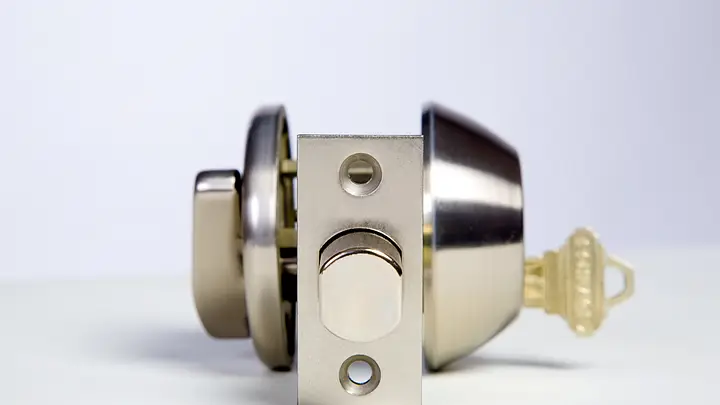
- Deadbolts: Renowned for their strength, deadbolts are a staple in residential security. Single-cylinder models are common, but double-cylinder versions offer added protection against glass breakage.
- Mortise Locks: These are embedded into the door and combine a latch and deadbolt in one unit, offering durability and resistance to forced entry.
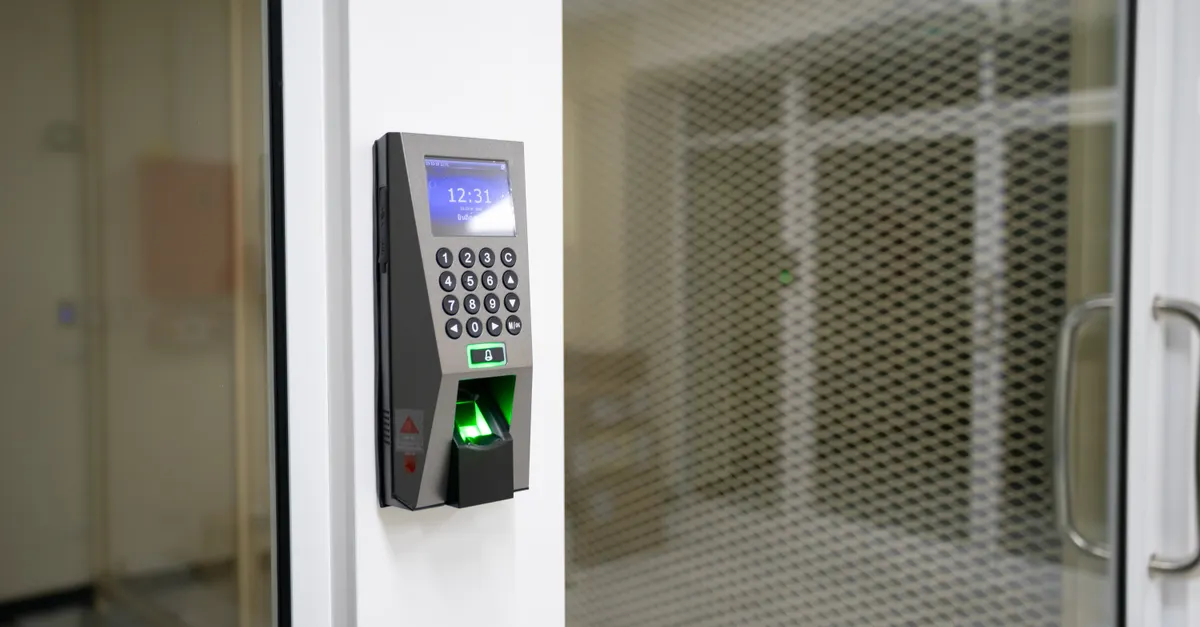
- Smart Locks: Keyless entry, remote control, and integration with home automation systems make smart locks a modern favorite. They add convenience and can be layered with mechanical locks for extra security.
- Knob and Lever Locks: While convenient, these should never be the sole lock on a front door, as they are easier to bypass.
- Multipoint Locks: These secure the door at several points along the frame, making it much harder to force open.
For a deeper dive into deadbolt options, the comprehensive guide to different types of deadbolts explains their construction and security features.
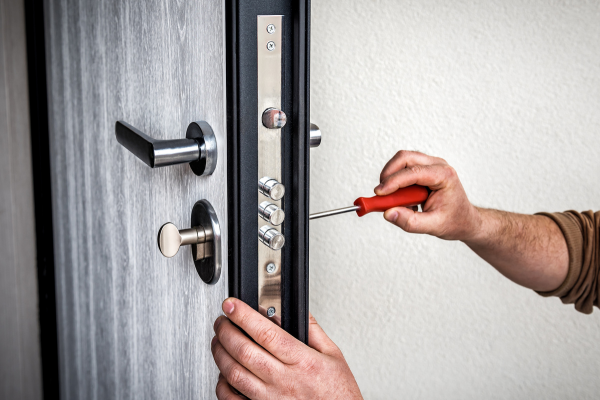
Top Lock Pairings for Maximum Front Door Protection
Combining locks is about more than just adding hardware. It’s about strategic placement and choosing devices that complement each other’s strengths. Here are some of the most effective combinations for entry doors:
Deadbolt Plus Smart Lock: Traditional Meets Technology
Pairing a high-quality deadbolt with a smart lock offers both physical security and digital convenience. The deadbolt provides robust resistance to forced entry, while the smart lock allows for keyless access, remote locking, and activity monitoring. This setup is ideal for families and those who frequently need to grant access to guests or service providers.
Mortise Lock with Auxiliary Deadbolt: Enhanced Mechanical Security
A mortise lock already combines a latch and deadbolt, but adding a secondary deadbolt above it creates an additional obstacle for intruders. This is a popular choice for older homes or those with solid wood doors, where mortise locks are common. The dual mechanism makes prying or picking significantly more difficult.
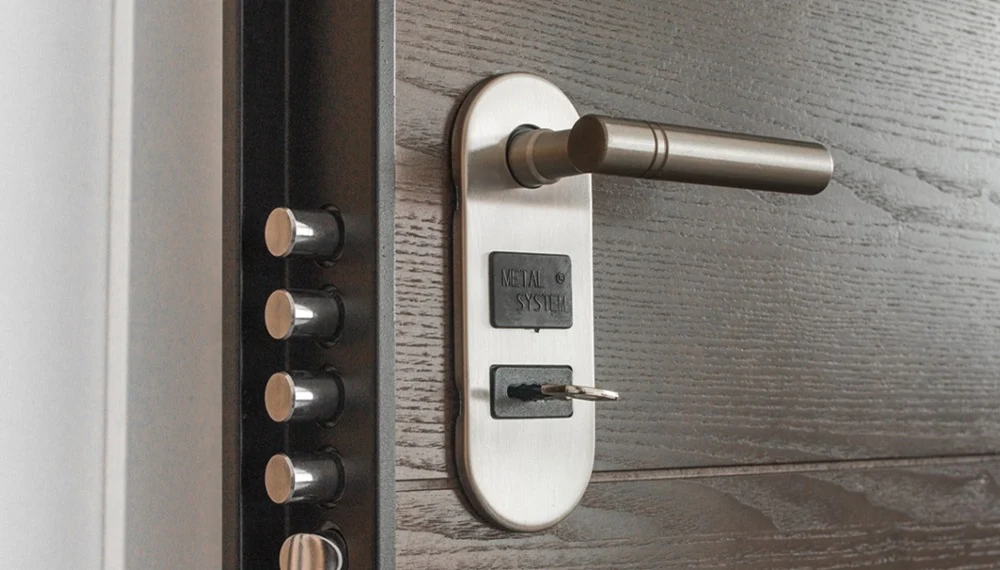
Multipoint Locking System with Keyed Deadbolt: Multi-Point Defense
Multipoint locks engage the door at several locations, typically the top, middle, and bottom. Adding a keyed deadbolt at the main latch point further strengthens the door. This combination is especially effective for modern entry doors and is often found in newer construction or high-end renovations.
Factors to Consider When Choosing Lock Combinations
Not every combination is right for every home. Consider these factors before upgrading your front door security:
- Door Material and Structure: Solid wood and metal doors can accommodate heavier locks and multiple devices, while hollow-core doors may need reinforcement.
- Compliance and Fire Codes: Some lock types, such as double-cylinder deadbolts, may not be permitted in all areas due to emergency egress requirements. Always check local regulations.
- Ease of Use: While security is paramount, locks should still be convenient for daily use by all household members.
- Integration with Home Systems: If you use smart home devices, ensure your locks are compatible for seamless operation.
For more on residential lock selection, see the residential deadbolt lock guide for practical tips and product recommendations.
Installation Tips for Layered Lock Security
Proper installation is just as important as choosing the right locks. Here are some best practices:
- Always use the manufacturer’s recommended hardware and templates for drilling and mounting.
- Reinforce the door frame with a strike plate and long screws to resist kick-ins.
- Test all locks after installation to ensure smooth operation and alignment.
- Consider professional installation for complex systems or if you’re unsure about compliance with local codes.
For commercial applications or heavy-duty needs, the commercial deadbolt lock guide provides insights into advanced locking solutions.
Maintaining and Upgrading Your Entryway Locks
Even the best lock combinations require regular maintenance to stay effective. Lubricate moving parts annually, check for signs of wear, and replace any components that show damage or corrosion. If you’ve recently moved into a new home, always rekey or replace the locks to eliminate risks from previous keyholders.
Upgrading to newer technologies, such as smart locks or high-security cylinders, can further enhance your home’s protection. Stay informed about the latest products and consider periodic security audits to identify potential vulnerabilities.
Frequently Asked Questions
What is the most secure lock setup for a front door?
The most secure setup typically involves a combination of a high-quality deadbolt and an additional locking mechanism, such as a smart lock or a multipoint system. Layering different types of locks increases resistance to forced entry and lockpicking.
Are smart locks as safe as traditional deadbolts?
Smart locks offer convenience and additional features like remote access, but they should be paired with a mechanical deadbolt for optimal security. Look for smart locks with robust encryption and physical strength to ensure comprehensive protection.
How often should I replace or upgrade my front door locks?
Locks should be inspected annually for wear and replaced if they show signs of damage or malfunction. Consider upgrading if your locks are more than 10 years old or if you want to take advantage of new security technologies.