Deadbolts are a critical part of modern security, offering a level of protection that standard spring bolt locks simply can’t match. Understanding how locksmiths install deadbolts can help homeowners and business owners make informed decisions about their property’s safety. Professional installation ensures that the lock functions as intended, resists forced entry, and complies with local codes and standards.
Whether you’re upgrading your home security or outfitting a commercial space, knowing the steps and considerations involved in deadbolt installation is essential. This article breaks down the process, highlights the tools and expertise required, and explains why hiring a professional locksmith is often the best choice for optimal results.
For those interested in the legal and safety aspects, it’s important to stay updated on deadbolt lock codes and regulations to ensure compliance and avoid costly mistakes.
Why Choose a Locksmith for Deadbolt Installation?
While some handy individuals may attempt to install a deadbolt themselves, professional locksmiths bring precision, experience, and specialized tools to the job. Here’s why relying on an expert makes a difference:
- Expertise: Locksmiths understand the nuances of different door materials, lock types, and security needs.
- Proper Alignment: Accurate drilling and fitting prevent issues like misaligned bolts or sticking locks.
- Compliance: Professionals ensure installations meet local building codes and insurance requirements.
- Security: Locksmiths can recommend the best deadbolt models for your specific situation, including high-security and smart options.
Step-by-Step Guide: The Locksmith’s Deadbolt Installation Process
The process of installing a deadbolt involves careful measurement, precise drilling, and secure fitting. Here’s a breakdown of the typical steps a locksmith follows:
1. Assessment and Preparation
The locksmith begins by evaluating the door’s material (wood, metal, or composite) and thickness. They also check for existing locks and determine the optimal height for the new deadbolt, usually 6 to 12 inches above the doorknob. This assessment helps avoid structural weaknesses and ensures the lock will be effective.
2. Marking and Measuring
Accurate measurements are crucial. The locksmith marks the spot for the deadbolt hole on the door’s face and edge, using a template provided by the lock manufacturer. This ensures the lock will sit flush and operate smoothly.
3. Drilling the Holes
Using specialized hole saws and drill bits, the locksmith drills a hole through the face of the door for the lock cylinder, and a smaller hole in the door’s edge for the bolt mechanism. Precision is key to avoid splintering or damaging the door.
4. Installing the Bolt and Cylinder
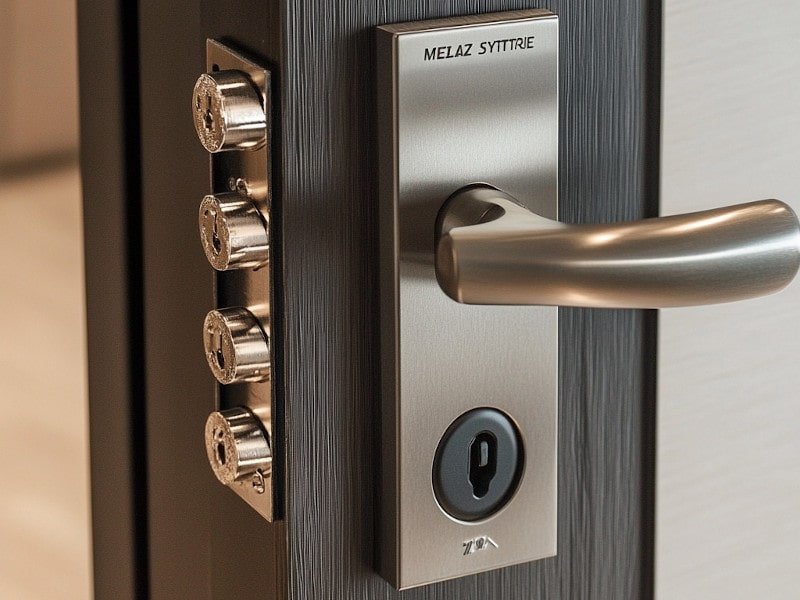
The bolt mechanism is inserted into the edge of the door and secured with screws. The locksmith then fits the exterior and interior lock cylinders through the main hole, ensuring they align perfectly with the bolt. After checking for smooth operation, the lock is fastened in place.
5. Preparing the Door Frame
For maximum security, the strike plate on the door frame must be reinforced. The locksmith chisels a recess for the strike plate, installs it with long screws that reach deep into the frame, and tests the deadbolt’s engagement. This step is vital for resisting kick-ins and forced entry.
6. Testing and Adjustments
Once installed, the locksmith tests the deadbolt several times to ensure smooth locking and unlocking. Any necessary adjustments are made to the alignment or hardware to guarantee reliable performance.

Types of Deadbolts and Choosing the Right One
Not all deadbolts are created equal. Locksmiths can help you select the best option based on your needs. The main types include:
- Single Cylinder Deadbolts: Operated with a key from the outside and a thumb turn from the inside. Common in residential settings.
- Double Cylinder Deadbolts: Require a key on both sides, offering extra security for doors with glass panels but may pose safety risks in emergencies.
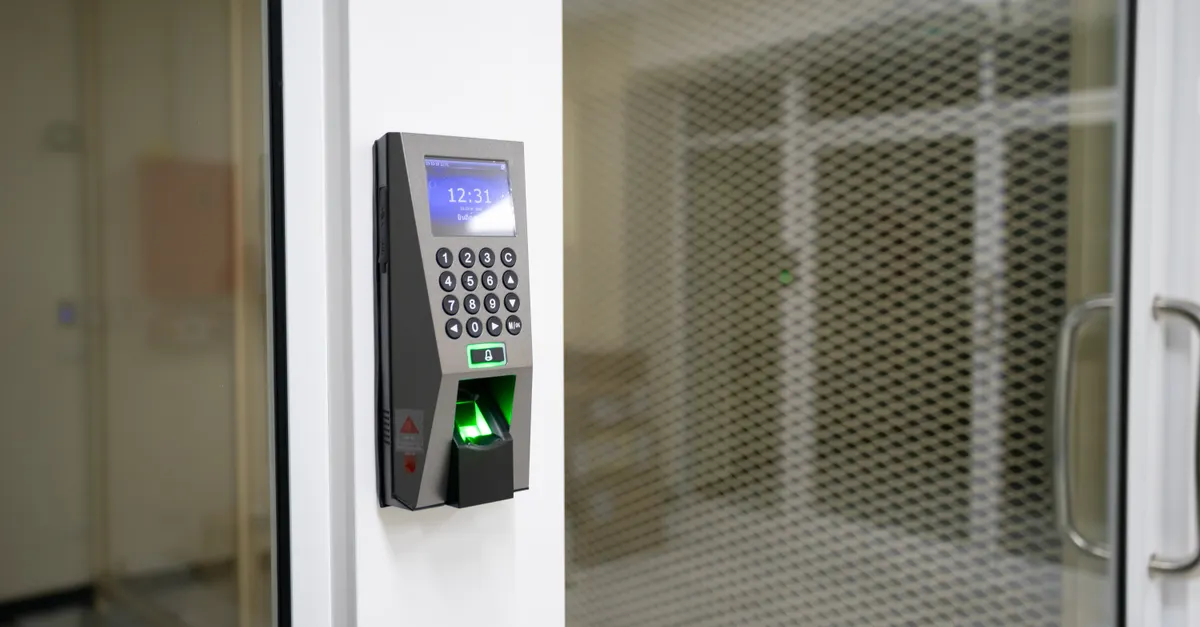
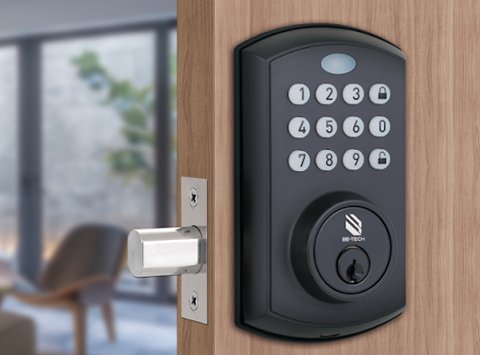
- Keyless and Electronic Deadbolts: Use keypads, smart cards, or biometric readers for access. Ideal for those seeking convenience and advanced security features.
For a detailed look at the various options, see this guide to different types of deadbolt locks.
Common Challenges and How Professionals Overcome Them
Even with the right tools, installing a deadbolt can present challenges. Locksmiths are trained to handle issues such as:
- Misaligned Doors: Warped or sagging doors can cause the bolt to miss the strike plate. Locksmiths can adjust hinges or reposition hardware to fix alignment.
- Unusual Door Materials: Metal or fiberglass doors require special drill bits and techniques to avoid damage.
- Retrofitting Older Doors: Older doors may not meet modern standards or may have existing holes in the wrong place. Professionals can reinforce or repair as needed.
When to Upgrade or Replace Your Deadbolt
Locksmiths often recommend upgrading deadbolts in the following situations:
- After a break-in or attempted forced entry
- When moving into a new home or business
- If the current lock is outdated, worn, or malfunctioning
- To meet new insurance or building code requirements
For those seeking enhanced protection for specific environments, resources like the commercial deadbolt lock guide and residential deadbolt lock guide provide in-depth advice tailored to different property types.
Maintaining Your Deadbolt for Long-Term Security
Proper maintenance is essential for keeping your deadbolt functioning smoothly. Locksmiths recommend:
- Lubricating the lock mechanism annually with graphite or a silicone-based spray
- Checking for loose screws or hardware and tightening as needed
- Ensuring the door and frame remain properly aligned
- Replacing keys or rekeying the lock if you lose track of who has access
For specialized needs, such as fire safety or office environments, see the fire rated deadbolt locks explained and deadbolt lock for office security articles for further guidance.
FAQ: Deadbolt Installation by Locksmiths
How long does it take a locksmith to install a deadbolt?
Most professional locksmiths can install a standard deadbolt in about 30 to 60 minutes, depending on the door material and whether modifications are needed. More complex installations, such as electronic or smart deadbolts, may take longer.
Can a locksmith install a deadbolt on any type of door?
Yes, locksmiths have the tools and expertise to install deadbolts on wood, metal, and fiberglass doors. However, some materials may require special techniques or reinforcement to ensure a secure fit.
Is it worth upgrading to a smart or keyless deadbolt?
Upgrading to a smart or keyless deadbolt can provide added convenience and security, especially for those who want remote access or the ability to grant temporary codes. A locksmith can help you choose and install a model that fits your needs and integrates with your existing security system.
Do I need to replace my door to add a deadbolt?
In most cases, a locksmith can add a deadbolt to your existing door without replacement. However, if the door is damaged, hollow, or not structurally sound, replacing it may be recommended for optimal security.
Understanding how locksmiths install deadbolts empowers property owners to make informed decisions about their security. Professional installation not only ensures proper function but also maximizes the effectiveness of your investment in safety.