Choosing the right lock for your door is a crucial decision for both security and convenience. Homeowners and business owners often compare mortise locks and deadbolts, as each offers distinct advantages and fits different needs. This mortise lock vs deadbolt comparison will help you understand the differences, benefits, and ideal use cases for each type of lock, so you can make a confident choice for your property.
Before diving into the detailed analysis, it’s important to recognize that the best lock for your door depends on factors like door material, level of security required, and installation preferences. If you’re interested in professional installation, you may also want to learn about how locksmiths install deadbolts for optimal security and fit.

Understanding Mortise Locks
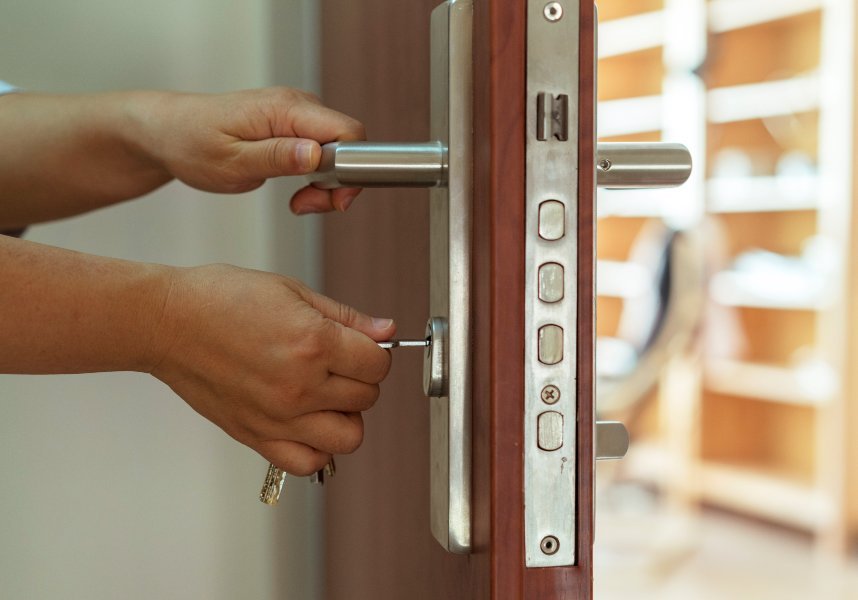
A mortise lock is a robust locking mechanism that fits into a pocket, or mortise, cut into the edge of the door. This type of lock is commonly found in older homes, commercial buildings, and high-security applications. Mortise locks typically include a latch and a deadbolt within a single unit, operated by a lever or knob and a key.
- Durability: Built with heavy-duty materials, mortise locks are designed for long-term use and can withstand frequent operation.
- Security: The lock body is embedded within the door, making it difficult to force open or tamper with.
- Versatility: Many mortise locks offer additional features such as passage, privacy, and locking functions, making them suitable for both interior and exterior doors.
Installation of a mortise lock is more complex than a standard deadbolt, often requiring professional tools and expertise. However, the result is a seamless, integrated appearance and enhanced security for your entryway.
Deadbolts: Simplicity and Strength
Deadbolts are among the most popular choices for residential and commercial security. Unlike mortise locks, a deadbolt is a separate unit that is installed above or below a door handle. It consists of a solid metal bolt that extends into the door frame when locked, providing a strong barrier against forced entry.
- Easy Installation: Deadbolts are generally easier to install than mortise locks and can be added to most doors with minimal modifications.
- High Security: A properly installed deadbolt offers substantial resistance to kicking, prying, and lock-picking.
- Variety: Available in single-cylinder (keyed on one side) and double-cylinder (keyed on both sides) options, deadbolts can be tailored to your security needs.
For those seeking additional guidance, our residential deadbolt lock guide provides further insights into choosing and maintaining deadbolts for home security.
Key Differences: Mortise Lock vs Deadbolt Comparison
When evaluating security hardware, understanding the distinctions between these two options is essential. Here’s a side-by-side look at the main factors in the mortise lock vs deadbolt comparison:
| Feature | Mortise Lock | Deadbolt |
|---|---|---|
| Installation | Requires precise mortising; best handled by professionals | Straightforward; suitable for DIY or locksmith installation |
| Security Level | Very high, especially with commercial-grade models | High, especially with reinforced strike plates and quality hardware |
| Appearance | Integrated, often more aesthetically pleasing | Visible bolt above or below handle; utilitarian look |
| Cost | Generally higher due to complexity and materials | More affordable and widely available |
| Maintenance | Durable, but repairs may require a specialist | Simple to maintain and replace if needed |
Both options provide reliable security, but the right choice depends on your door type, budget, and desired features.
When to Choose a Mortise Lock
Mortise locks are ideal for situations where maximum security and durability are required. They are often used in:
- Commercial buildings with heavy foot traffic
- Historic homes where traditional aesthetics are important
- Doors that require both a latch and a deadbolt in one unit
Because mortise locks are embedded within the door, they are less susceptible to brute-force attacks and tampering. Their complex internal mechanisms also make them more resistant to picking and bumping.
When Deadbolts Are the Better Option
Deadbolts are a practical choice for most residential doors and many commercial applications. Consider a deadbolt if you:
- Need a cost-effective and quick security upgrade
- Want to add extra protection to an existing lockset
- Have a standard door that doesn’t support mortise hardware
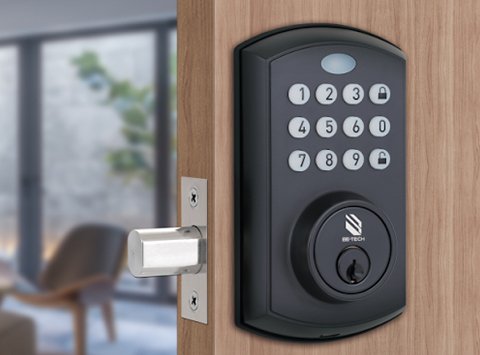
Deadbolts are available in a range of styles, including keyless and smart lock options. For businesses, our commercial deadbolt lock guide covers heavy-duty options suitable for offices and storefronts.
Security Considerations in Mortise Lock vs Deadbolt Comparison
When comparing these two lock types, security is often the top priority. Mortise locks generally offer a higher level of protection due to their construction and installation method. However, a high-quality deadbolt, especially when paired with a reinforced strike plate and solid door material, can provide excellent security for most homes and offices.
For those concerned about fire safety and compliance, it’s worth exploring fire rated deadbolt locks explained to ensure your security solution meets local regulations.
If you want to understand the different types and benefits of deadbolts in more detail, this comprehensive guide to deadbolt lock types and benefits provides a thorough overview.
Installation and Maintenance: What to Expect
Mortise locks require precise cutting and fitting, which is best handled by a professional locksmith. This ensures the lock operates smoothly and provides maximum security. Deadbolts, on the other hand, are more accessible for DIY installation, though professional help is always recommended for optimal alignment and strength.
Maintenance for both lock types is straightforward. Regular lubrication and occasional tightening of screws will keep your locks functioning smoothly. Mortise locks may require more specialized repairs if the internal mechanism wears out, while deadbolts can often be replaced or rekeyed with basic tools.
Cost Analysis: Mortise Lock vs Deadbolt Comparison
Cost is a significant factor in the mortise lock vs deadbolt comparison. Mortise locks are typically more expensive due to their complex design and installation requirements. The price includes both the hardware and the labor involved in fitting the lock into the door. Deadbolts are generally more affordable and widely available at hardware stores, making them a popular choice for budget-conscious consumers.
When budgeting for your security upgrade, consider the long-term value of each option. Mortise locks may have a higher upfront cost but offer exceptional durability and security. Deadbolts provide solid protection at a lower price point and are easy to upgrade or replace as needed.
FAQ
Are mortise locks more secure than deadbolts?
Mortise locks are often considered more secure due to their robust construction and the fact that they are embedded within the door. However, a high-quality deadbolt with proper installation can also offer excellent protection against forced entry.
Can I install a mortise lock or deadbolt myself?
Deadbolts are generally suitable for DIY installation, especially with standard doors. Mortise locks require specialized tools and expertise, so professional installation is recommended to ensure proper fit and function.
Which lock type is better for commercial properties?
Mortise locks are commonly used in commercial settings due to their durability and advanced security features. However, heavy-duty deadbolts are also suitable for many commercial doors, especially when paired with reinforced frames and strike plates.
Do mortise locks and deadbolts work together?
Yes, many doors use both a mortise lock and a separate deadbolt for added security. This combination provides multiple layers of protection and can be tailored to specific security needs.
How do I choose between a mortise lock and a deadbolt?
Consider your security requirements, door type, budget, and aesthetic preferences. Mortise locks are ideal for high-security and commercial applications, while deadbolts offer a practical solution for most residential doors.