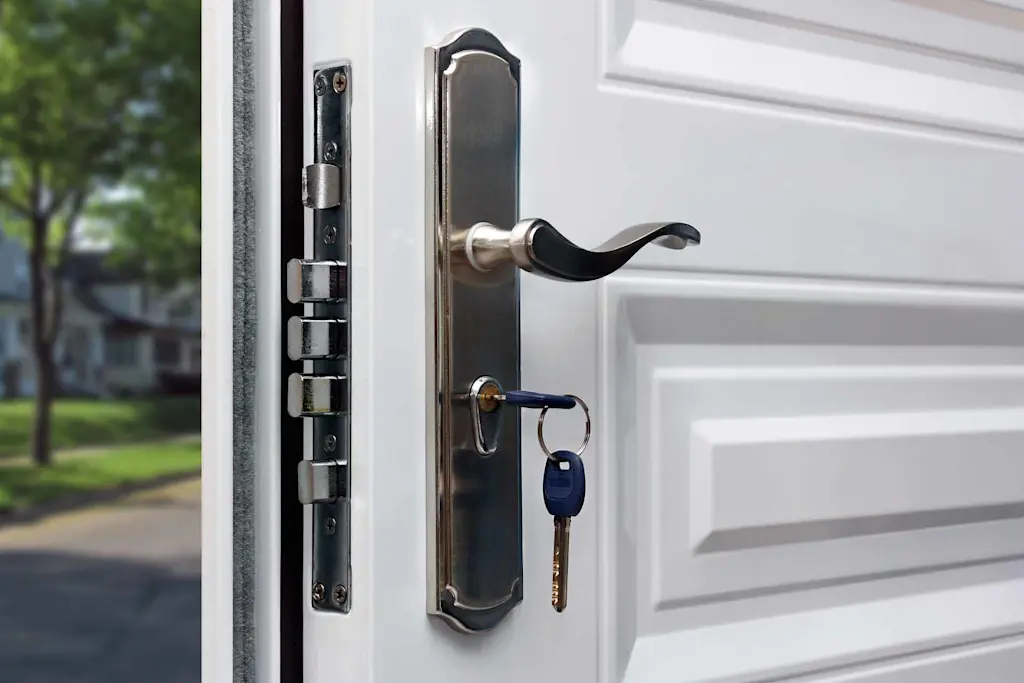
When it comes to securing your home or business, the choice between a door chain and a deadbolt is more than just a matter of preference. Both devices are designed to enhance entryway security, but their effectiveness, durability, and real-world protection can differ significantly. This door chain vs deadbolt comparison explores the strengths and weaknesses of each option, helping you make an informed decision for your property’s safety.
Understanding the differences between these two types of locks is crucial, especially as break-in techniques become more sophisticated. Whether you’re upgrading your front door or evaluating your current security setup, knowing what each device offers—and where it falls short—can make all the difference.
If you’re interested in professional installation methods, our guide on how locksmiths install deadbolts provides a detailed look at the process and what to expect from a security upgrade.
Understanding Door Chains: Basic Security and Limitations
Door chains are a familiar sight in many homes and apartments. These devices consist of a short chain attached to the door frame and a sliding catch mounted on the door itself. When engaged, the chain allows the door to open a few inches—enough to speak with someone outside or receive small deliveries, but not enough to allow full entry.
While door chains offer a sense of added security, their actual protective value is limited. Most chains are made from lightweight metal and are attached with small screws. This means that with enough force, a determined intruder can break the chain or pull the screws from the frame. In many cases, door chains serve more as a psychological deterrent than a true barrier.
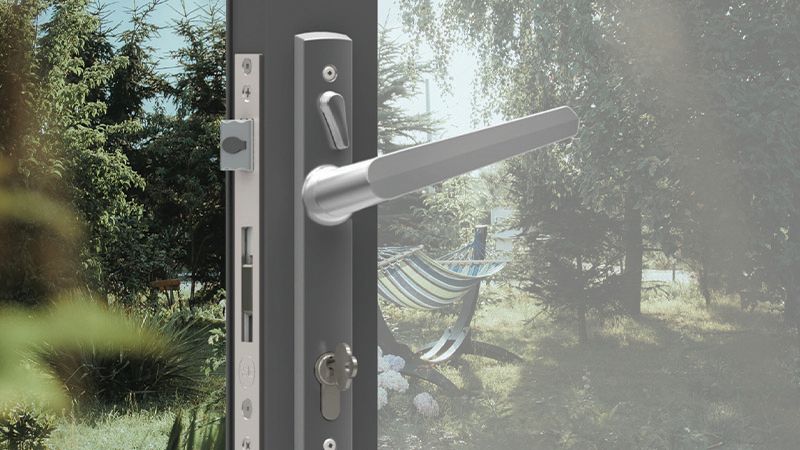
Door chains are easy to install and inexpensive, making them a popular choice for renters or those looking for a quick security upgrade. However, their effectiveness is best suited for situations where you want to partially open the door without fully exposing your home’s interior.
Deadbolts: The Gold Standard in Entry Door Security
Deadbolts are widely regarded as one of the most secure locking mechanisms available for residential and commercial doors. Unlike spring bolt locks, deadbolts use a solid metal bolt that extends deep into the door frame, making it much harder to force open. There are several types of deadbolts, including single-cylinder, double-cylinder, and smart deadbolts, each offering different features and levels of security.
One of the main advantages of deadbolts is their resistance to brute force attacks. Properly installed deadbolts are anchored with long screws into the door frame, distributing force and making it extremely difficult for an intruder to kick in the door. Additionally, deadbolts are less susceptible to lock picking and bumping compared to standard knob locks.
For those interested in advanced security, consider exploring the commercial deadbolt lock guide for heavy-duty options, or the residential deadbolt lock guide for home-specific recommendations.
Door Chain vs Deadbolt Comparison: Key Differences
When evaluating door chain vs deadbolt comparison points, several factors stand out:
- Strength: Deadbolts are constructed from solid metal and anchored deep into the frame, while door chains rely on thin links and small screws.
- Installation: Door chains are simple to install and require minimal tools, but deadbolts need precise fitting and may require professional installation for maximum effectiveness.
- Everyday Use: Door chains allow for partial opening, which can be useful for screening visitors. Deadbolts, however, must be fully engaged or disengaged, offering no partial access.
- Deterrence: The visible presence of a deadbolt often deters would-be intruders more effectively than a chain, which is easily bypassed with force.
- Cost: Door chains are inexpensive, but deadbolts offer a much higher return on investment in terms of security.
For a deeper dive into how deadbolts can enhance office security, see our article on deadbolt lock for office security.
Real-World Security: Which Option Is More Effective?
In practical terms, deadbolts provide a much higher level of protection than door chains. Most security professionals recommend deadbolts as the minimum standard for exterior doors. Door chains, while convenient for brief interactions, should never be relied upon as a primary security measure.
Tests and real-world break-in scenarios have shown that door chains can be defeated in seconds with a firm push or with simple tools. Deadbolts, on the other hand, can withstand significant force and are designed to resist tampering. For those seeking compliance with building codes or fire safety standards, fire rated deadbolt locks explained offers important information.
For more technical details and security insights, you can also refer to this comprehensive overview of deadbolt lock security from a leading lock manufacturer.
Installation and Maintenance Considerations
Proper installation is key to maximizing the effectiveness of any lock. Deadbolts require precise alignment with the strike plate and should be installed with long, sturdy screws that penetrate deep into the wall stud. Many homeowners choose to have a professional locksmith handle installation to ensure optimal security.
Door chains, by contrast, can be installed with basic tools and minimal effort. However, their security is only as strong as the materials used and the quality of installation. Over time, screws can loosen and chains can wear out, reducing their effectiveness even further.
Routine maintenance for both devices involves checking for loose screws, signs of wear, and ensuring smooth operation. Deadbolts may require occasional lubrication, while door chains should be inspected for stretched or weakened links.
When to Choose a Door Chain or a Deadbolt
Choosing between a door chain and a deadbolt depends on your specific needs:
- Door chains are suitable for interior doors, apartments where major modifications are not allowed, or as a secondary measure for greeting visitors.
- Deadbolts are essential for exterior doors, offices, and any situation where real security is a priority.
For maximum protection, some property owners use both—a deadbolt as the primary lock and a door chain for added convenience. However, relying solely on a chain is not recommended for any entry point that requires true security.
Frequently Asked Questions
Are door chains effective for preventing break-ins?
Door chains offer only minimal resistance to forced entry. They may slow down an intruder for a moment, but most can be broken or bypassed with little effort. For true break-in prevention, a deadbolt or similar high-security lock is recommended.
Can I install a deadbolt myself, or should I hire a locksmith?
While some homeowners install deadbolts themselves, professional installation ensures the lock is properly aligned and anchored. This maximizes both security and the lifespan of the lock. For more on this process, see our guide on how locksmiths install deadbolts.
Is it worth using both a door chain and a deadbolt?
Using both can provide convenience and an extra layer of screening, but the deadbolt should always be your primary security device. The chain can be helpful for interacting with visitors, but should not be relied upon for serious protection.
Conclusion: Making the Right Security Choice
When weighing the options in a door chain vs deadbolt comparison, the evidence is clear: deadbolts deliver far superior protection for entry doors. Door chains may offer a small measure of convenience, but their limitations make them unsuitable as a main security feature. For anyone serious about safeguarding their property, investing in a quality deadbolt and ensuring proper installation is the best step you can take.