Living in a condominium offers convenience and community, but it also presents unique security challenges. Unlike standalone homes, condos often have shared entryways, hallways, and amenities, making robust door protection essential. Deadbolt security for condos is a critical aspect of safeguarding your personal space and belongings. Understanding the options, installation requirements, and best practices can help residents make informed choices and feel more secure in their homes.
Whether you’re a new condo owner or a long-time resident, evaluating your current locks and considering upgrades is a smart move. This guide covers the essentials of deadbolt protection in multi-unit buildings, including types of deadbolts, installation tips, and how to work within condo association rules.
For those interested in exploring additional ways to reinforce entry points, you may want to read about the best deadbolt for side entry doors and how these solutions can complement your condo’s main entrance security.
Why Deadbolts Matter in Multi-Unit Residences
Condominiums typically have multiple layers of access control, such as lobby doors or security gates. However, your individual unit’s door is the last line of defense. While standard doorknob locks offer basic protection, they are often vulnerable to forced entry or lock picking. Deadbolt security for condos provides a much higher level of resistance against break-ins, making it a preferred choice for residents who value peace of mind.
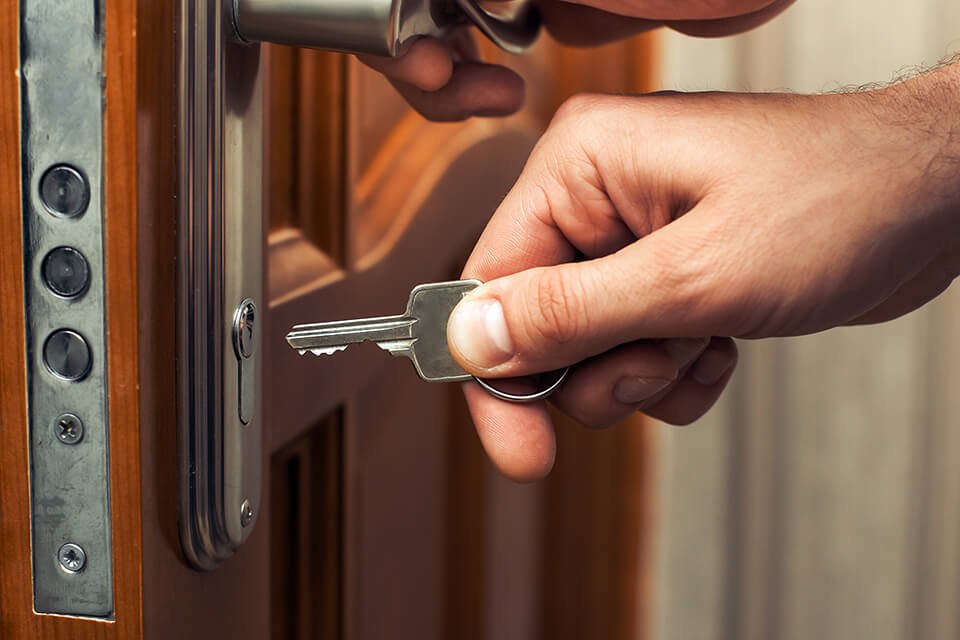
Deadbolts are designed to extend a solid metal bolt deep into the door frame, making it significantly harder for intruders to force the door open. This added strength is especially important in buildings with high foot traffic, where strangers may occasionally gain access to common areas.
Types of Deadbolts Suitable for Condo Doors
When selecting a deadbolt for your unit, it’s important to consider both security and compatibility with your building’s policies. Here are the main types of deadbolts commonly used in condominiums:
- Single-cylinder deadbolts: These are operated with a key from the outside and a thumb turn from the inside. They are the most common choice for residential doors.
- Double-cylinder deadbolts: Require a key to operate from both sides. These can provide extra security but may pose a safety risk in emergencies, as a key is needed to exit.
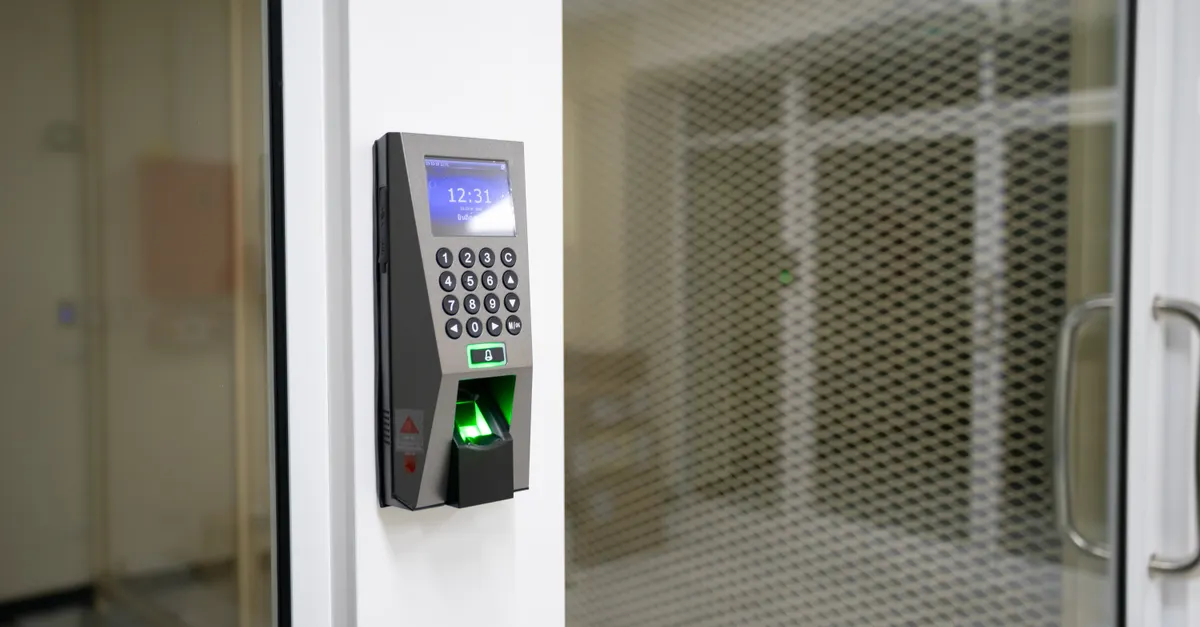
- Smart deadbolts: Electronic options that use keypads, cards, or even smartphones for access. Many modern condos are adopting these for added convenience and tracking capabilities.

Before making a purchase, check with your condo association or property manager. Some buildings have restrictions on the types of locks allowed, especially if the exterior appearance of doors must remain uniform.
Installation Considerations for Condo Residents
Proper installation is crucial for maximizing the effectiveness of any deadbolt. Even the strongest lock can be compromised if not installed correctly. Many residents wonder whether they should attempt a DIY installation or hire a professional locksmith.
While handy individuals can install a deadbolt with the right tools, hiring a professional ensures the lock is fitted securely and in compliance with building codes. For a detailed look at the process, see this guide on how locksmiths install deadbolts to understand what’s involved and why expert installation can make a difference.

Key installation tips include:
- Ensuring the deadbolt aligns perfectly with the strike plate for smooth operation and maximum strength.
- Using long screws (at least 3 inches) to secure the strike plate deep into the door frame, not just the trim.
- Verifying that the lock does not interfere with fire safety codes or emergency egress requirements.
Comparing Deadbolts to Other Condo Door Security Options
Some residents consider alternatives such as door chains, night latches, or additional locking mechanisms. While these can provide supplemental protection, deadbolts remain the gold standard for primary entry doors.
For a deeper understanding of how deadbolts stack up against other options, review this door chain vs deadbolt comparison. It highlights the strengths and weaknesses of each approach, helping you make an informed decision based on your specific needs.
Layering security—using a deadbolt in combination with other locks—can further enhance protection. For more ideas, check out suggestions for the best lock combinations for front doors to create a multi-layered defense strategy.
Smart Deadbolts: Modern Security for Urban Living
Technology is transforming home security, and condos are no exception. Smart deadbolts offer features like remote locking, temporary access codes for guests, and integration with home automation systems. These locks can be especially useful for residents who travel frequently or want to monitor access in real time.
When choosing an electronic deadbolt, look for models with strong encryption, reliable backup options (such as a physical key), and compatibility with your building’s existing systems. For a roundup of top-rated models, see this guide to the best electronic deadbolts for up-to-date recommendations.
Working With Condo Associations and Neighbors
Before making changes to your door hardware, it’s important to review your condo association’s rules. Many associations have guidelines about the appearance, color, and type of locks allowed on unit doors. Some may require you to provide management with a copy of your key for emergency access.
Open communication with neighbors and building management can help prevent misunderstandings. If you’re concerned about security, consider organizing a meeting or sharing resources about effective lock upgrades. Collective action can sometimes lead to building-wide improvements, such as upgrading all unit locks or enhancing common area security.
Maintenance and Upkeep for Long-Term Protection
Even the best deadbolt won’t provide lasting security if it’s neglected. Regular maintenance is essential to keep your lock functioning smoothly and reliably. Here are a few tips:
- Lubricate the lock mechanism annually with a graphite-based lubricant.
- Check for loose screws or misalignment, especially after heavy use or door adjustments.
- Replace worn or damaged keys to prevent jamming or breakage.
- Test the lock periodically to ensure it operates smoothly from both sides.
If you notice any issues, address them promptly to avoid being locked out or compromising your security.
Frequently Asked Questions
Are double-cylinder deadbolts allowed in all condos?
Not always. Some buildings prohibit double-cylinder deadbolts because they require a key to exit, which can be a fire safety concern. Always check your building’s policies and local fire codes before installation.
Can I install a smart deadbolt if my condo has strict appearance rules?
Many smart deadbolts are designed to look similar to traditional locks and can often be installed without violating appearance guidelines. However, it’s best to confirm with your condo association before making any changes.
What should I do if my deadbolt becomes difficult to operate?
Difficulty turning the key or thumb turn may indicate misalignment, dirt buildup, or internal wear. Try lubricating the lock and checking for loose screws. If problems persist, consult a locksmith for repair or replacement.
Conclusion
Securing your condo with a high-quality deadbolt is one of the most effective steps you can take to protect your home and belongings. By understanding the different types of locks, installation best practices, and your building’s requirements, you can make informed decisions that enhance your safety and peace of mind. Regular maintenance and communication with your condo association ensure that your investment in security continues to pay off for years to come.