Travelers today are more aware than ever of the importance of personal security when staying in hotels. One of the most effective ways to protect yourself and your belongings is by understanding and properly using the deadbolt lock on your hotel room door. Whether you’re a frequent business traveler or planning a family vacation, knowing the best practices for door lock safety can make a significant difference in your peace of mind.
In this guide, we’ll explore essential hotel door deadbolt safety tips, how to assess the quality of your room’s locks, and additional measures you can take for enhanced protection. If you’re interested in taking your security a step further, consider learning about portable deadbolt locks for travel for extra assurance wherever you stay.
Understanding Deadbolt Locks in Hotel Rooms
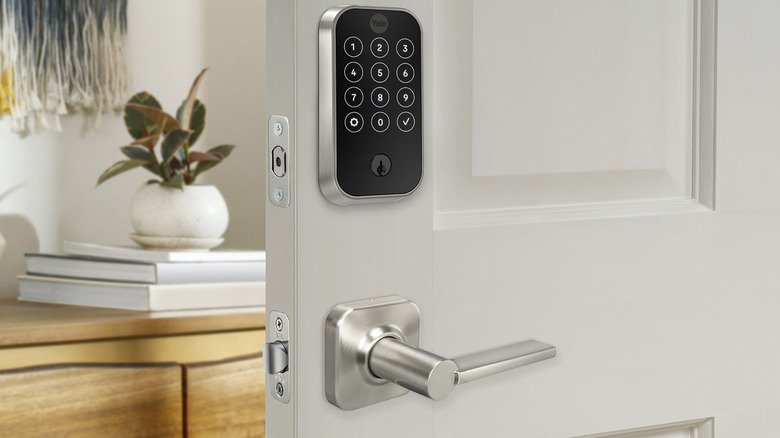
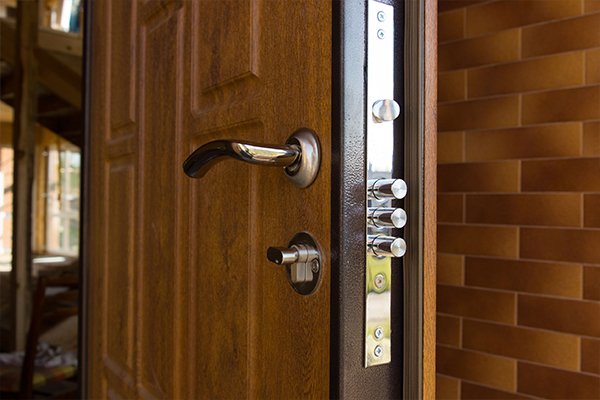
Deadbolts are a common feature on hotel room doors, providing an extra layer of security beyond the standard latch or handle lock. Unlike spring bolt locks, deadbolts require manual locking and unlocking, making them more resistant to forced entry. However, not all deadbolts offer the same level of protection, and their effectiveness can depend on their type and installation quality.
For a deeper dive into the different styles and mechanisms, you can refer to this comprehensive guide to deadbolt types for more technical details.
Key Hotel Door Deadbolt Safety Tips
Applying the right strategies can greatly enhance your safety during your hotel stay. Here are some actionable suggestions for maximizing the security provided by your room’s deadbolt:
- Always engage the deadbolt as soon as you enter your room, even if you’re only stepping inside for a short time.
- Inspect the lock mechanism for signs of tampering, looseness, or damage. If anything seems off, request a room change or maintenance immediately.
- Check the strike plate on the door frame. A secure deadbolt should have a sturdy, well-installed strike plate with long screws anchoring it into the frame.
- Don’t rely solely on the handle lock; always use the deadbolt in combination with other available security features, such as the door chain or latch.
- Keep the peephole covered when not in use to prevent anyone from observing inside your room.

Evaluating the Security of Your Hotel Room Door
Not all hotel rooms are created equal when it comes to security. Here’s how you can quickly assess whether your room’s deadbolt and overall entryway are up to standard:
- Test the deadbolt by locking and unlocking it several times. It should turn smoothly and fully extend into the frame.
- Examine the door material. Solid-core doors provide much better protection than hollow or flimsy ones.
- Look for gaps between the door and frame. Large gaps can make it easier for someone to manipulate the lock or pry the door open.
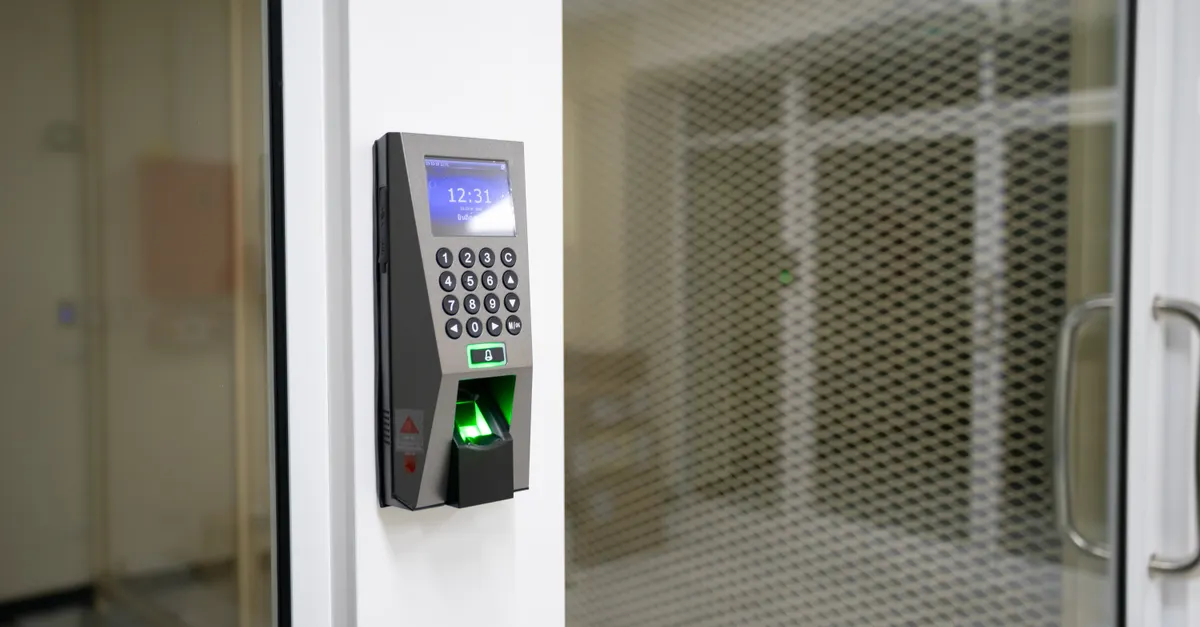
- Check for additional security features like security bars, secondary locks, or electronic access controls.
If you notice any weaknesses, don’t hesitate to ask hotel staff for a different room or for repairs. Your safety should always be a priority.
Advanced Hotel Door Deadbolt Safety Tips for Travelers
For those who want to go beyond the basics, there are several advanced techniques and tools that can further improve your security:
- Travel with a portable deadbolt or door jammer. These devices are easy to use and can provide a strong physical barrier, especially in rooms with older or questionable locks. For more on this, see our resource on portable deadbolt locks for travel.
- Use a door wedge or stopper at night or when inside the room. This simple tool can make forced entry much more difficult.
- Request a room on higher floors and away from stairwells or emergency exits, which are less accessible to opportunistic intruders.
- Keep valuables out of sight and use the in-room safe if available. Don’t leave important items near the door.
Common Mistakes to Avoid with Hotel Room Deadbolts
Even the best locks can’t protect you if they’re not used correctly. Here are some frequent errors travelers make and how to avoid them:
- Forgetting to lock the deadbolt when inside the room, especially at night or when napping.
- Assuming all hotel locks are secure. Some hotels may have outdated or poorly maintained hardware.
- Leaving the door ajar for convenience, such as when stepping out briefly or waiting for a companion.
- Ignoring signs of tampering, such as scratches around the lock or a loose handle.
Staying vigilant and making a habit of checking your locks can dramatically reduce your risk.
Extra Steps for Enhanced Door Security
Beyond using the deadbolt, there are additional measures you can take to further secure your hotel room:
- Install a portable alarm that sounds if the door is opened unexpectedly.
- Use a privacy sign to discourage staff or others from entering without knocking.
- Familiarize yourself with emergency exits and hotel security procedures in case of an incident.
- Consider upgrading your knowledge about securing other entry points, such as learning how to secure a back door at home or while traveling.
When to Request a Room Change
If you notice any of the following issues, it’s wise to ask for a different room:
- The deadbolt does not function properly or is missing.
- There are visible signs of forced entry or tampering.
- The door or frame feels weak or damaged.
- The room is located in an isolated or less secure area of the hotel.
Hotel staff are generally understanding about security concerns and should accommodate reasonable requests for safer accommodations.
FAQ: Hotel Room Door Security
How can I tell if my hotel room deadbolt is secure?
Check that the deadbolt fully extends into the door frame and that the strike plate is firmly attached with long screws. The lock should turn smoothly without resistance or looseness. If you have doubts, ask for a room inspection or a different room.
Are portable deadbolts or travel locks allowed in hotels?
Most hotels allow guests to use portable deadbolts or door jammers, as they do not damage the door or lock. However, always check the hotel’s policy and ensure the device is easy to remove in case of emergency.
What should I do if my hotel room deadbolt is broken?
Contact the front desk immediately and request maintenance or a room change. Never stay in a room where the deadbolt does not work, as this compromises your safety.
Conclusion
Practicing strong hotel door deadbolt safety tips is a simple yet effective way to protect yourself during your travels. By staying alert, inspecting your room’s security features, and using additional tools when necessary, you can enjoy greater peace of mind wherever you stay. For more information on securing different types of doors, explore our advice on the best deadbolt for side entry doors or deadbolt security for condos to extend your knowledge beyond the hotel room.