Choosing the best deadbolt for families with kids is a crucial step in ensuring your home remains both secure and accessible. When children are in the household, safety concerns go beyond basic security—parents need locks that are tough against intruders but also designed to prevent accidental lockouts or unsafe situations for little ones. With so many options available, it’s important to know what features matter most and how to select a lock that fits your family’s needs.
In this guide, we’ll explore what makes a deadbolt family-friendly, key safety considerations, and how to balance robust protection with everyday convenience. We’ll also highlight some of the top-rated options and provide tips for installation and maintenance. If you’re interested in broader security strategies, you might also find value in reading about hotel door deadbolt safety tips for additional peace of mind at home and while traveling.
Why Child-Safe Deadbolts Matter
For households with children, the right deadbolt does more than just keep out unwanted guests. It also helps prevent young kids from wandering outside unsupervised or accidentally locking themselves in or out. A lock that’s too easy to operate can lead to safety risks, while one that’s overly complicated may frustrate adults and older children alike. The ideal solution strikes a balance between security and usability, ensuring peace of mind for parents and caregivers.
Key Features to Look for in Family-Friendly Deadbolts
When searching for the best deadbolt for families with kids, consider these essential features:
- Childproof Mechanisms: Look for locks with tamper-resistant designs or optional childproof covers that make it harder for small hands to operate the lock without adult assistance.
- Ease of Use: Choose a model that’s simple for adults to lock and unlock, but not so easy that toddlers can open it on their own.
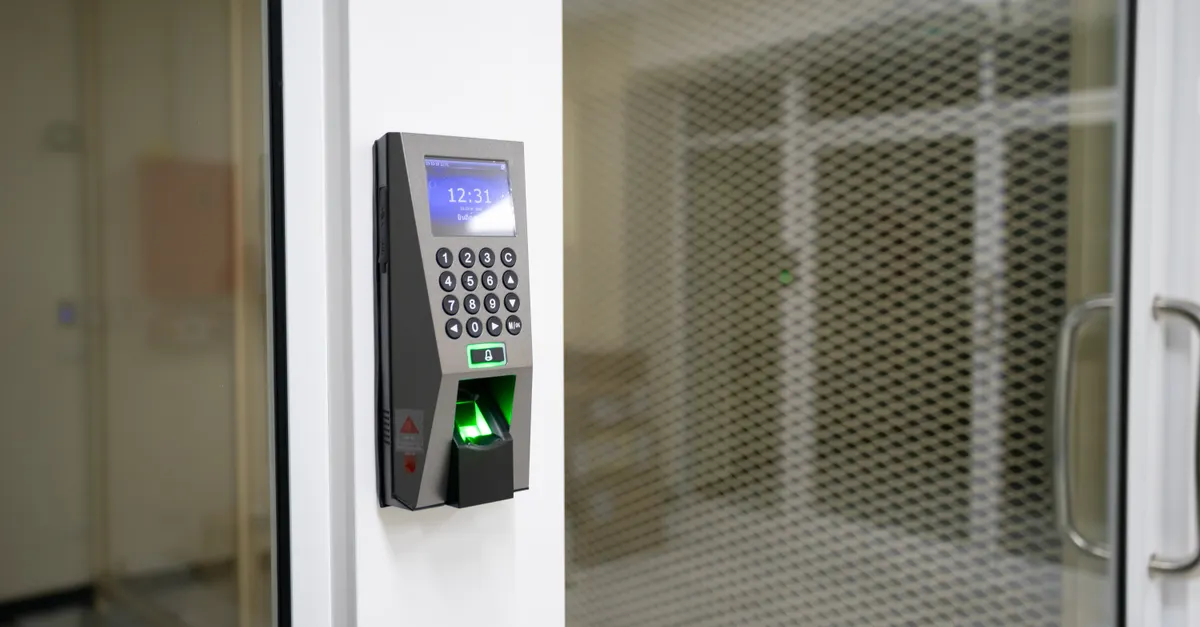
- Keyless Entry Options: Electronic deadbolts with keypads or smart locks can reduce the risk of lost keys and accidental lockouts, especially for older children who may come and go independently.
- Durability and Build Quality: Solid construction, preferably with hardened steel or reinforced materials, provides better resistance against forced entry.
- Emergency Egress: Ensure the lock allows for quick exit in case of emergencies, such as a fire, without the need for a key from the inside.

Types of Deadbolts Suitable for Homes With Children
Understanding the different types of deadbolts can help you make an informed decision. Here are some of the most popular options for families:
- Single Cylinder Deadbolts: These are operated with a key from the outside and a thumb turn on the inside. They’re convenient for adults but may be too easy for curious kids to unlock. Some models offer removable thumb turns or covers for added safety.
- Double Cylinder Deadbolts: Require a key on both sides, making them more secure but potentially hazardous in emergencies if the key isn’t readily available. Use with caution in homes with children.
- Keyless Electronic Deadbolts: These allow entry via a keypad, fingerprint, or smartphone app. Many models offer auto-lock features and temporary codes for guests or older children.
- Smart Locks: Integrate with home automation systems and provide remote access, activity logs, and customizable user codes. Some smart locks can be paired with childproof settings or alerts when the door is opened.
For a deeper dive into the pros and cons of various lock types, check out this comprehensive guide to deadbolt lock types and benefits.
Top Picks for Secure and Practical Deadbolts
Based on expert recommendations and user reviews, here are some of the most reliable deadbolt options for families:
- Keypad Deadbolts: Brands like Schlage and Kwikset offer electronic deadbolts with customizable codes, auto-lock features, and easy installation. These models are popular for their convenience and ability to assign unique codes to each family member.
- Smart Deadbolts: Options from August, Yale, and Ultraloq provide advanced features such as remote locking, activity notifications, and integration with smart home systems. Many allow parents to monitor who enters and exits, adding an extra layer of control.
- Childproof Single Cylinder Deadbolts: Some manufacturers design locks with removable or shielded thumb turns, making it harder for young children to unlock the door without assistance.

Installation Tips for Maximum Safety
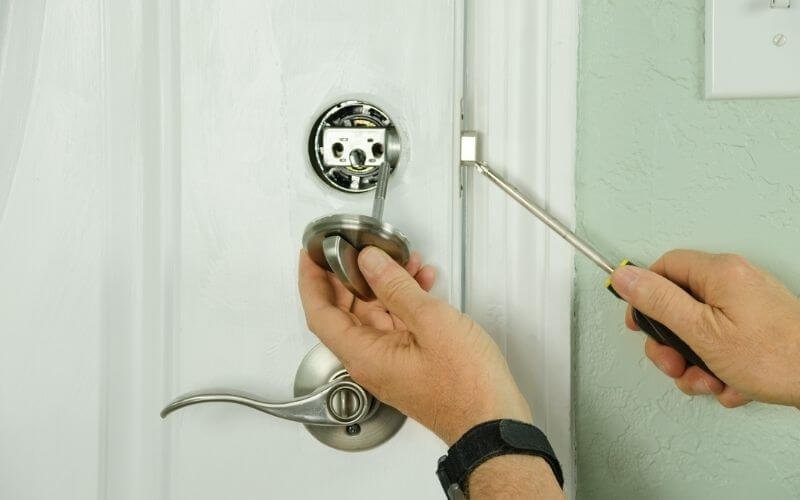
Proper installation is just as important as choosing the right lock. Here are some tips to ensure your deadbolt provides optimal security:
- Always follow the manufacturer’s instructions carefully, or hire a professional locksmith if you’re unsure.
- Install the deadbolt at a height that’s convenient for adults but out of easy reach for small children.
- Reinforce the door frame with a high-quality strike plate and long screws to resist forced entry.
- Test the lock regularly to ensure smooth operation and address any issues promptly.
If you have other vulnerable entry points, such as a back or side door, consider reading about how to secure a back door for comprehensive protection throughout your home.
Maintenance and Safety Best Practices
Maintaining your deadbolt is essential for long-term reliability. Here are some best practices to keep your locks in top condition:
- Lubricate the lock mechanism with graphite or a silicone-based spray every six months.
- Check batteries regularly if you use an electronic or smart deadbolt, and replace them as needed.
- Teach children about lock safety, explaining when and how to use the lock appropriately.
- Keep spare keys or backup codes in a secure location accessible to trusted adults.
Additional Security Tips for Families
Beyond selecting the right deadbolt, consider these extra steps to enhance your home’s safety:
- Install door viewers or peepholes so children can see who’s outside without opening the door.
- Use door reinforcement hardware, such as security bars or secondary locks, for added protection.
- Consider pairing your deadbolt with a home security system or smart doorbell for real-time alerts and monitoring.
- Regularly review and update your family’s emergency exit plan, ensuring everyone knows how to leave the house safely in case of fire or other emergencies.
Frequently Asked Questions
What is the safest type of deadbolt for homes with young children?
The safest options are typically single cylinder deadbolts with childproof features or electronic models with customizable codes. These locks balance security with ease of use and help prevent accidental lockouts or unsupervised exits.
Are smart locks safe for families?
Smart locks can be very safe for families, especially when equipped with features like activity logs, remote access, and user-specific codes. However, it’s important to choose reputable brands and keep software updated to minimize security vulnerabilities.
How can I prevent my child from unlocking the deadbolt?
Look for deadbolts with removable or shielded thumb turns, or use childproof covers. Placing the lock higher on the door can also help, as can teaching children about the importance of not unlocking doors without permission.
Conclusion
Finding the right deadbolt for a household with children involves more than just picking the toughest lock. It’s about choosing a solution that keeps your family safe, fits your daily routines, and prevents accidental mishaps. By focusing on childproof features, ease of use, and proper installation, you can secure your home without sacrificing convenience. For more insights on securing every entry point, explore our guide to the best deadbolt for side entry doors and keep your loved ones protected at all times.