Living in a shared house brings unique challenges, especially when it comes to keeping everyone’s belongings and personal space secure. Whether you’re in a student rental, a co-living apartment, or a house with roommates, finding the best deadbolt for shared houses is essential for peace of mind. The right lock not only deters unauthorized entry but also makes access convenient for all residents—without compromising on safety.
With multiple people coming and going, traditional keyed locks can quickly become inconvenient or even risky. Lost keys, unauthorized copies, and confusion over who has access can all lead to security gaps. That’s why choosing a deadbolt designed for shared living environments is a smart move. In this guide, we’ll break down what to look for, compare top options, and help you make an informed decision for your home.
Before diving into the top features and product recommendations, it’s important to understand the basics of deadbolt installation and maintenance. If you’re unsure about doing it yourself or hiring a professional, our resource on DIY vs professional deadbolt installation can help you weigh the pros and cons for your situation.
Key Features to Look for in Shared Living Deadbolts
When searching for a lock that suits a multi-tenant environment, certain features stand out as must-haves. Here are the most important considerations for choosing a deadbolt for shared homes:
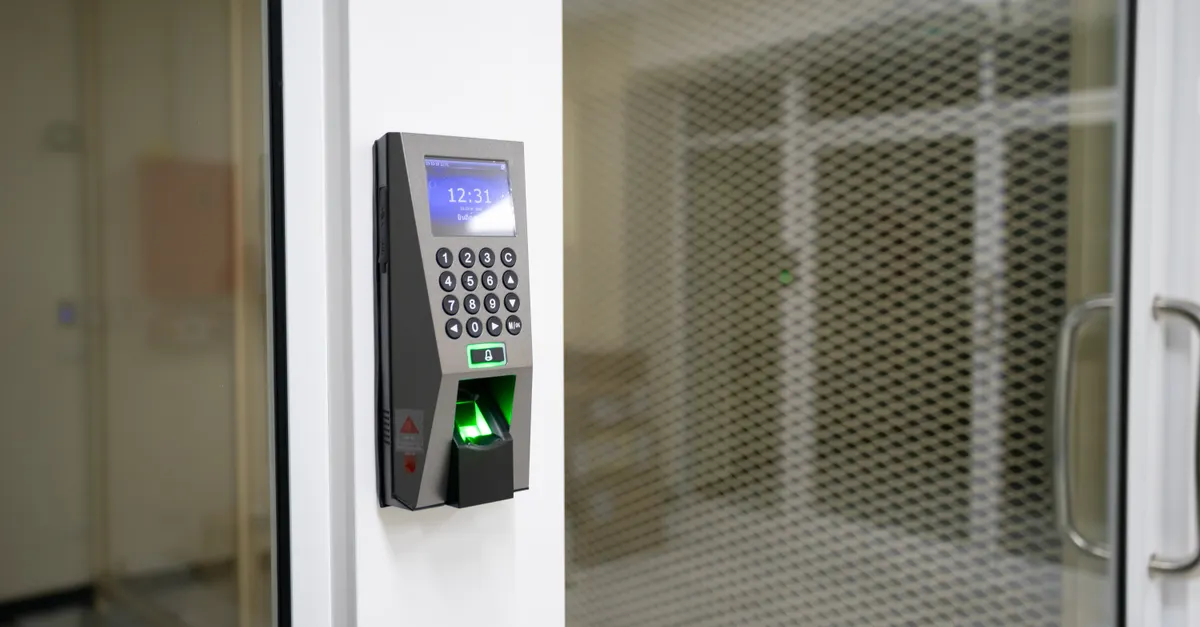
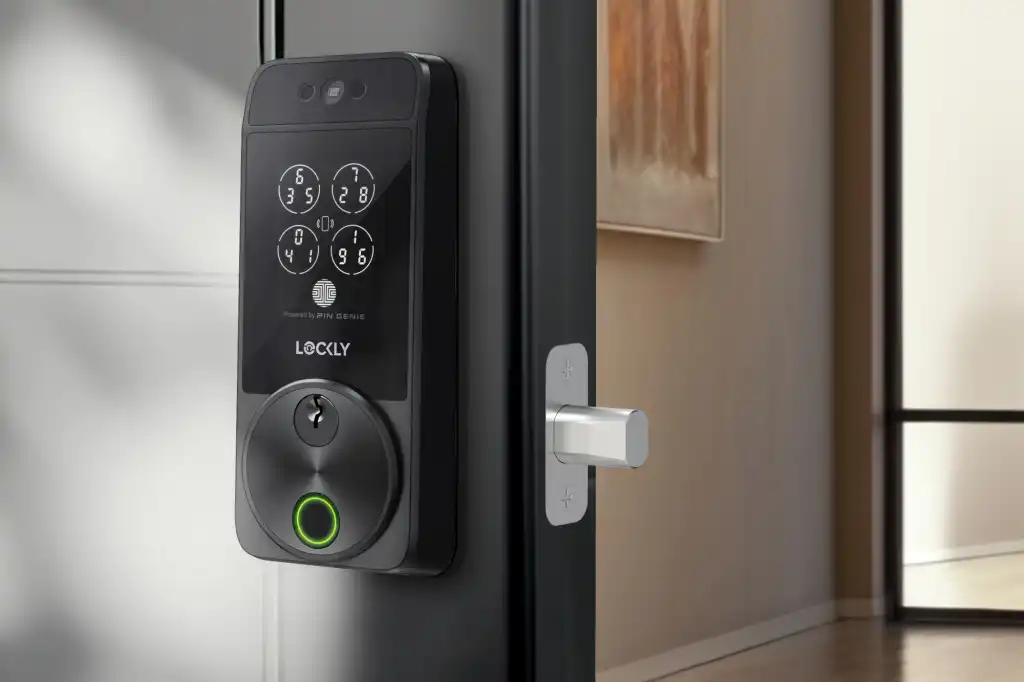
- Multiple Access Methods: Look for locks that offer keypad entry, smart app control, or biometric options. This eliminates the hassle of physical keys and allows each housemate to have their own code or credential.
- Easy Code Management: The ability to add, change, or remove user codes quickly is vital. This is especially important when roommates move in or out.
- Audit Trails and Notifications: Some smart deadbolts provide logs of who entered and when, which can be helpful for accountability and peace of mind.
- High Security Standards: Choose locks with solid construction, anti-pick and anti-bump features, and, if possible, ANSI Grade 1 or 2 ratings.
- Battery Backup or Mechanical Key Override: In case of power failure or dead batteries, a backup entry method ensures you’re never locked out.
- Simple Installation: For renters, it’s best to pick models that fit standard doors and can be installed without major modifications.
Top Types of Deadbolts for Roommate Houses
Not all locks are created equal, especially when it comes to the demands of shared living. Here are the main categories to consider:
Smart Deadbolts with Keypad or App Access
Smart locks are increasingly popular for shared accommodations. They offer flexibility and control that traditional locks can’t match. With features like remote locking, temporary codes, and integration with smart home systems, these deadbolts are designed for modern living.
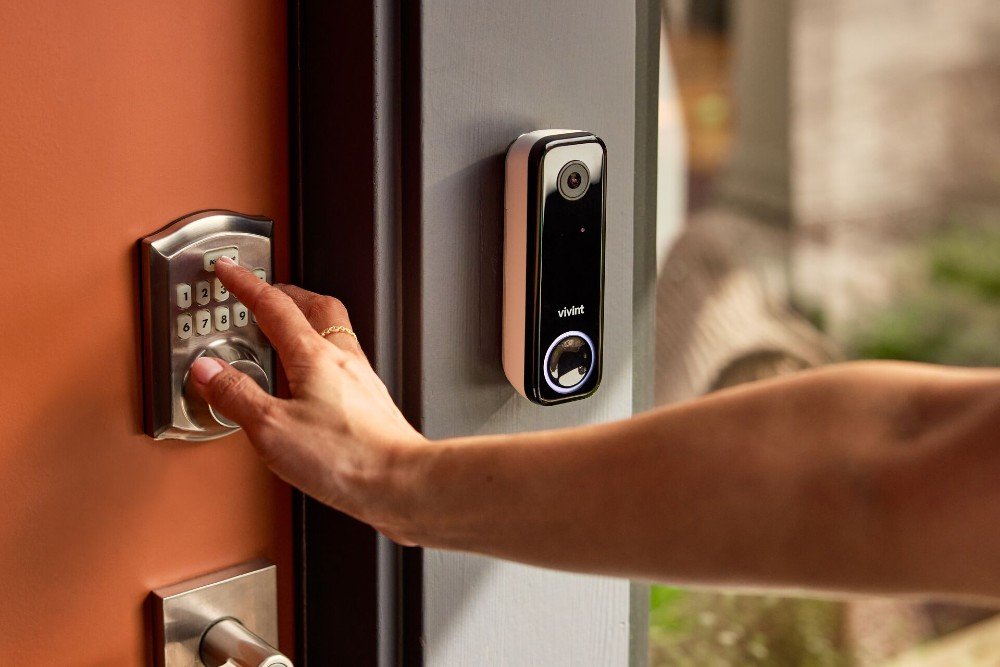
Some of the best deadbolt options for shared houses in this category include models from Schlage, Yale, and August. These brands offer locks with user-friendly apps, robust security features, and easy code management. For a comprehensive overview of the top-rated smart locks, check out this expert guide to the best smart locks.
Traditional Deadbolts with High Security Keyways
While smart locks are convenient, some shared homes prefer the simplicity and reliability of a mechanical deadbolt. In this case, opt for a model with a high-security keyway to prevent unauthorized key duplication and enhance resistance to picking or bumping. Brands like Medeco and Mul-T-Lock are known for their advanced key control systems.
If you’re interested in learning more about advanced lock technology, our article on high security keyways explained covers the benefits and options available.
Hybrid Deadbolts: Combining Smart and Mechanical Security
Some locks combine the best of both worlds, offering electronic access alongside a traditional key. This hybrid approach is ideal for shared houses where not everyone is comfortable with smart technology, or where a backup is needed for emergencies.
How to Choose the Right Deadbolt for Your Shared Home
With so many options on the market, narrowing down the best fit for your house can feel overwhelming. Here’s a step-by-step approach to help you decide:
- Assess Your Needs: Consider the number of roommates, frequency of move-ins/outs, and whether anyone needs special access (like cleaning staff or guests).
- Set a Budget: Smart deadbolts can range from $80 to $300+, while high-security mechanical locks may also be an investment. Factor in installation costs if you’re not doing it yourself.
- Check Door Compatibility: Not all locks fit every door. Measure your door’s thickness and backset before purchasing. For tips on getting the right fit, see our guide on how to measure for a deadbolt.
- Prioritize Security Features: Look for locks with certifications, tamper resistance, and strong materials.
- Read Reviews and Compare: User feedback can reveal real-world pros and cons, especially for shared living scenarios.
Installation and Maintenance Tips
Proper installation and upkeep are crucial for maximizing the lifespan and effectiveness of your deadbolt. Here are some practical tips:
- Follow the manufacturer’s instructions carefully, or consider hiring a professional if you’re unsure.
- Test all access methods (codes, keys, apps) after installation to ensure smooth operation.
- Regularly update codes and remove access for former housemates.
- Check batteries in smart locks every few months and keep spare keys in a secure location.
- Inspect the lock and door frame periodically for signs of wear or tampering. For more on longevity, see our article on why deadbolts fail over time.
Common Mistakes to Avoid When Securing Shared Houses
Even the best deadbolt for shared houses can’t deliver full protection if common pitfalls are overlooked. Here are mistakes to watch out for:
- Sharing codes or keys with non-residents without updating access afterward.
- Failing to change codes or rekey locks when roommates move out.
- Ignoring signs of malfunction, such as sticking or loose components.
- Choosing a lock based solely on price, rather than security and usability.
- Neglecting to educate all residents on proper use and maintenance of the lock.
Frequently Asked Questions
What makes a deadbolt suitable for a shared house?
The ideal deadbolt for a multi-tenant home offers flexible access (like keypads or smart features), easy code management, and robust security. It should also be simple to install and maintain, with backup entry options in case of emergencies.
Are smart locks safe for roommate situations?
Yes, most modern smart locks are designed with strong encryption and security features. They allow each resident to have their own code or app access, and many models log entry times for added accountability. Always choose a reputable brand and keep firmware updated for maximum protection.
How often should codes or keys be changed in a shared house?
It’s best to update codes or rekey the lock whenever a roommate moves out or if a key/code is lost. Regularly reviewing and updating access helps prevent unauthorized entry and keeps everyone’s belongings secure.
Conclusion
Securing a shared living space requires a lock that balances convenience, flexibility, and robust protection. By focusing on features like multiple access methods, easy code management, and high security standards, you can find a deadbolt that meets the needs of everyone in your home. Whether you opt for a smart lock, a high-security mechanical model, or a hybrid, investing in the right deadbolt is a step toward a safer, more harmonious shared living experience.