When it comes to securing your home or business, choosing the right type of lock is crucial. Two of the most common locking mechanisms are euro cylinders and deadbolts. Each has its own strengths, weaknesses, and ideal applications. This euro cylinder vs deadbolt comparison will clarify the distinctions, highlight where each lock excels, and help you make an informed decision for your security needs.
Understanding the differences between these two lock types can also help you avoid common mistakes in installation and maintenance. For those considering upgrading or replacing locks, knowing the pros and cons of each system is essential to ensure both safety and convenience.
Before diving into the technical details, it’s worth noting that proper installation is just as important as lock selection. If you’re debating between doing it yourself or hiring a professional, our guide on DIY vs professional deadbolt installation can help you weigh your options.
Understanding Euro Cylinders and Deadbolts
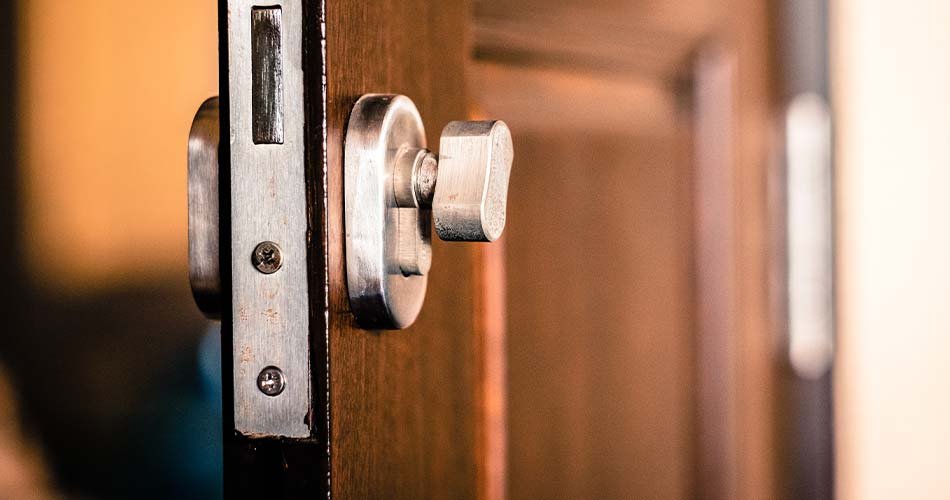
Both euro cylinders and deadbolts are widely used in residential and commercial settings, but their mechanisms and typical uses differ significantly. A euro cylinder is a type of pin tumbler lock commonly found in European doors, especially uPVC and composite doors. The cylinder itself is the core component, which can be easily replaced or upgraded without changing the entire lock assembly.
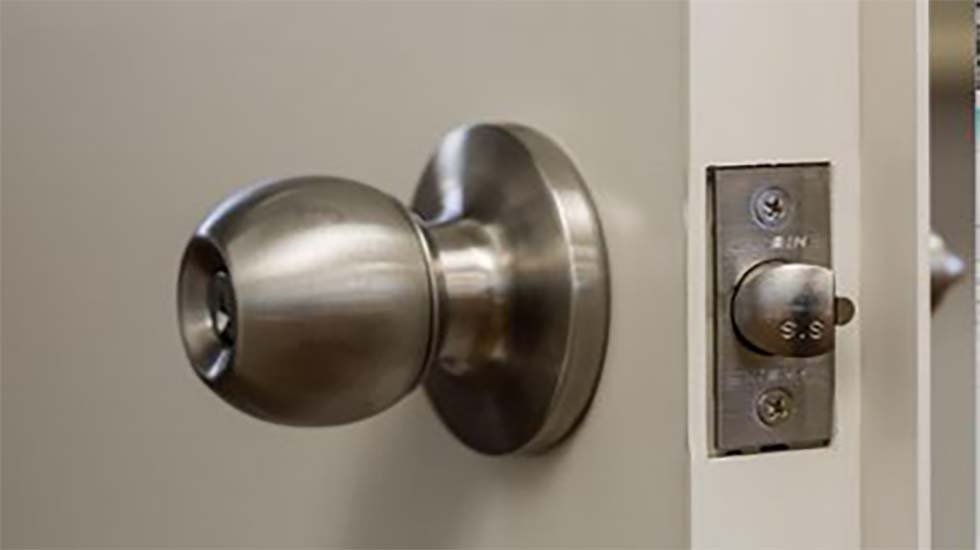
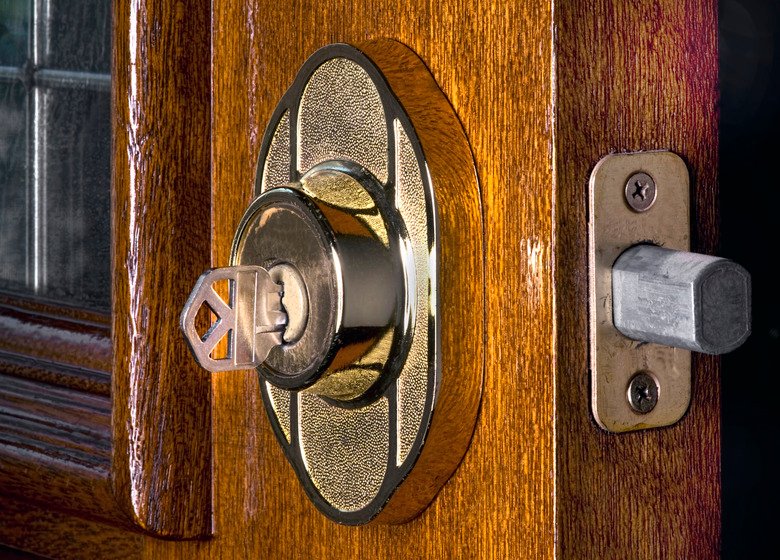
On the other hand, a deadbolt is a locking mechanism that uses a solid metal bolt to secure a door. Deadbolts are most common in North America and are often installed as a secondary lock above a standard doorknob. They are prized for their resistance to forced entry and are available in single, double, and even smart lock variations.
Core Differences: Mechanism, Security, and Installation
To make an informed choice, it helps to break down the euro cylinder vs deadbolt comparison into several key aspects:
- Locking Mechanism: Euro cylinders use a key-operated cylinder that rotates to move the locking bolt. Deadbolts, in contrast, use a solid bolt that is manually or electronically thrown into the door frame.
- Installation: Euro cylinders are typically installed in a mortise or multi-point lock system, making them common in European doors. Deadbolts are usually surface-mounted and require a separate borehole above the doorknob.
- Security Features: High-quality euro cylinders can offer anti-snap, anti-bump, and anti-pick features. Deadbolts, especially those rated Grade 1, are known for their resistance to brute force attacks and can be further enhanced with reinforced strike plates.
- Replacement and Upgrades: Euro cylinders are easy to swap out for higher security models without replacing the entire lock. Deadbolts can also be upgraded, but often require more work, especially if changing from a single to a double cylinder model.
For a deeper dive into the various types of deadbolts and their unique features, check out this comprehensive guide to deadbolt types.
Security Considerations in the Euro Cylinder vs Deadbolt Comparison
Security is the primary concern for most people choosing between these two lock types. In a euro cylinder vs deadbolt comparison, both can provide high levels of protection when properly installed and maintained, but there are some important distinctions:
- Vulnerability to Attacks: Standard euro cylinders can be susceptible to snapping, bumping, and picking if not equipped with advanced security features. Deadbolts, especially those with hardened steel bolts and reinforced strike plates, are generally more resistant to physical attacks.
- Key Control: Euro cylinders can be paired with restricted or patented keyways, making unauthorized key duplication difficult. Deadbolts can also use high-security keyways, as explained in our article on high security keyways explained.
- Door Compatibility: Euro cylinders are best suited for doors designed to accept them, such as uPVC, composite, and some timber doors. Deadbolts are ideal for solid wood or metal doors and are often used as an additional layer of security.
Best Use Cases for Euro Cylinders and Deadbolts
The ideal application for each lock depends on the type of door, the desired level of security, and local standards. Here’s a quick overview of where each lock shines:
| Lock Type | Best For | Key Advantages |
|---|---|---|
| Euro Cylinder | uPVC, composite, and some timber doors (common in Europe) | Easy replacement, multi-point locking, advanced key control |
| Deadbolt | Solid wood or metal doors (common in North America) | High resistance to forced entry, simple operation, robust construction |
For those unsure about sizing or compatibility, our resource on how to measure for a deadbolt can help you avoid common mistakes during installation.
Maintenance and Longevity
Both euro cylinders and deadbolts require regular maintenance to function optimally. Lubricating the keyway, checking for wear, and ensuring the door and frame are aligned can extend the life of your locks. Deadbolts, in particular, can develop issues over time due to repeated use or exposure to the elements. Learn more about common problems and solutions in our article on why deadbolts fail over time.
Euro cylinders are relatively easy to replace if they become worn or damaged. Deadbolts may require more effort, especially if the bolt or strike plate needs upgrading.
Choosing the Right Lock for Your Needs
When deciding between a euro cylinder and a deadbolt, consider the following:
- Type of Door: Match the lock to your door material and design.
- Security Requirements: Assess the risk level and choose a lock with appropriate security features.
- Ease of Replacement: If you anticipate needing to change locks frequently, euro cylinders may offer more flexibility.
- Local Standards: Some regions have building codes or insurance requirements that specify certain lock types.
For those seeking professional advice, our guide on how to choose a trustworthy locksmith can help you find a reputable expert in your area.
FAQ: Common Questions About Lock Choices
Which lock is more secure: euro cylinder or deadbolt?
Both can offer high security, but deadbolts are generally considered more resistant to forced entry, especially when installed with reinforced hardware. However, high-quality euro cylinders with anti-snap and anti-bump features can also provide excellent protection when used in the right context.
Can I install a deadbolt or euro cylinder myself?
Many homeowners can install these locks with basic tools, but proper alignment and installation are crucial for security. If you’re not confident, hiring a professional locksmith is recommended to ensure optimal performance and safety.
How often should I replace or upgrade my locks?
Locks should be inspected annually for signs of wear or damage. Consider upgrading if you move into a new property, lose a key, or if your current locks lack modern security features like anti-snap or pick resistance.
Conclusion
Choosing between a euro cylinder and a deadbolt depends on your door type, security needs, and personal preferences. Both offer unique advantages and can be highly effective when selected and installed correctly. By understanding the differences and best uses for each, you can make an informed decision that enhances the safety of your property.