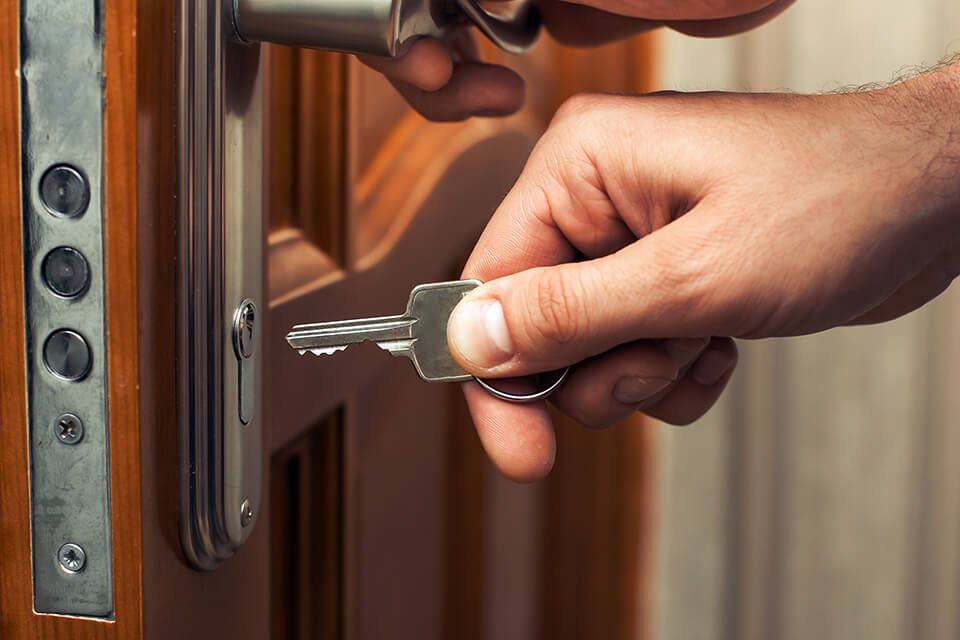
Deadbolt locks are a cornerstone of home security, and having a spare key can be a lifesaver when you’re locked out or need to provide access to trusted individuals. However, how to duplicate deadbolt keys safely is not always as straightforward as it seems. Making copies of your keys involves more than just a quick trip to the hardware store—it requires attention to security, legality, and the type of lock you own. This guide covers the essential steps, precautions, and best practices to ensure your key duplication process is both secure and effective.
Before you rush to make a copy, it’s important to understand the risks and responsibilities that come with duplicating keys. Not all keys are created equal, and some deadbolt systems have built-in restrictions or advanced features that impact how and where they can be duplicated. Additionally, choosing the right professional or method can make a significant difference in the safety and reliability of your new key.
For those considering a new installation or an upgrade, understanding the differences between DIY vs professional deadbolt installation can also help you make informed decisions about your home’s security and the future ease of duplicating keys.
Understanding Deadbolt Key Types and Duplication Restrictions
Not all deadbolt keys are the same. The type of key you have will determine how easily it can be copied and whether any restrictions apply. Here are the most common types:
- Standard keys: These are typical for residential deadbolts and can usually be duplicated at most hardware stores or locksmiths.
- High-security keys: Some brands use patented keyways or require special authorization for duplication. These keys often have “Do Not Duplicate” stamped on them, but the real restriction comes from the patent and the need for a security card or code.
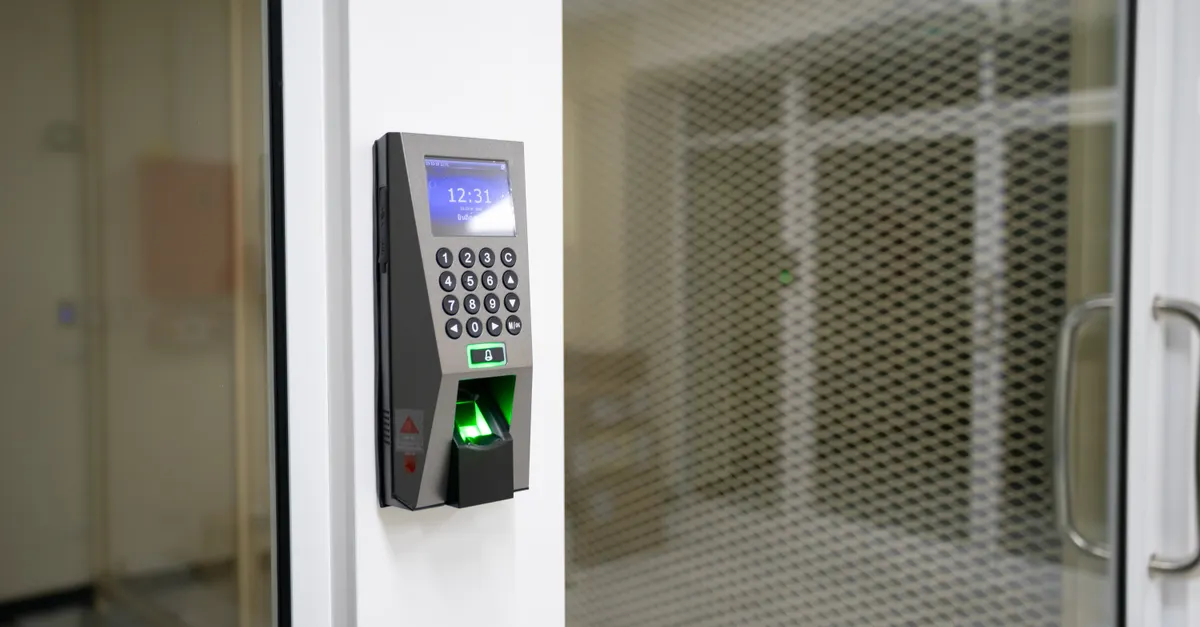
- Electronic or smart lock keys: Many modern deadbolts use keypads, cards, or fobs instead of traditional keys. Duplicating these requires specialized knowledge and equipment, and sometimes only the manufacturer or authorized dealers can provide replacements.
Before attempting to copy your key, check for any markings or documentation that indicate duplication restrictions. If you’re unsure, consult your lock’s manufacturer or a certified locksmith.
Why Safe Key Duplication Matters
Duplicating a deadbolt key is not just about convenience—it’s about maintaining the integrity of your home’s security. Here’s why it’s crucial to approach this process with care:
- Prevent unauthorized access: Careless duplication can lead to lost or stolen keys falling into the wrong hands.
- Maintain lock warranty: Some manufacturers void warranties if keys are copied at unauthorized locations.
- Preserve lock performance: Poorly cut keys can damage your lock over time, leading to malfunctions or costly repairs.
By following safe practices, you ensure that your spare keys work reliably and that your home remains protected.

Choosing the Right Place to Duplicate Your Deadbolt Key
Where you choose to duplicate your key can impact both the quality of the copy and your overall security. Here are your main options:
- Professional locksmiths: Certified locksmiths have the expertise and equipment to duplicate a wide range of keys, including high-security and restricted models. They can also verify your authorization and provide advice on best practices.
- Hardware stores: Many hardware stores offer key cutting services for standard keys. While convenient, the quality can vary, and they may not be able to handle advanced or restricted keys.
- Automated kiosks: Key duplication kiosks are increasingly common in supermarkets and malls. These are suitable for basic keys but may not offer the precision or security checks of a locksmith.
For high-security or restricted keys, always use an authorized dealer or locksmith. If you’re unsure about the legitimacy of a service, ask for credentials or check for reviews.
Steps for Safe Deadbolt Key Duplication
To ensure your key duplication is secure and effective, follow these steps:
- Verify ownership: Be prepared to show proof that you own the lock or have authorization to duplicate the key. This could be a security card, purchase receipt, or written permission.
- Choose a reputable provider: Select a locksmith or store with a good reputation and proper credentials. Avoid services that do not ask for proof of ownership for restricted keys.
- Inspect the original key: Make sure your key is not bent, worn, or damaged. A poor original will result in a poor copy.
- Test the new key: After duplication, test the new key in your deadbolt several times to ensure smooth operation. If it sticks or doesn’t turn easily, return to the provider for adjustments.
- Store spares securely: Keep extra keys in a safe place, and only give copies to trusted individuals.

Common Mistakes to Avoid When Copying Deadbolt Keys
Even with the best intentions, mistakes during key duplication can compromise your security or lead to frustration. Here are some pitfalls to avoid:
- Using a worn or damaged key as the template: Always use the newest, least-worn key for duplication to ensure accuracy.
- Ignoring duplication restrictions: Attempting to copy a restricted or patented key without proper authorization can be illegal and may void your warranty.
- Choosing low-quality services: Cheap or inexperienced providers may produce keys that don’t work or wear out quickly.
- Failing to test the copy: Always check the new key in your lock before leaving the store or locksmith.
By staying aware of these issues, you can avoid unnecessary headaches and keep your home secure.
Advanced Deadbolt Systems and Key Duplication
Modern deadbolts often feature advanced technology, such as electronic keypads, smart locks, or biometric access. Duplicating keys or access credentials for these systems requires a different approach:
- Smart locks: Many smart deadbolts allow you to create digital keys or codes for guests. Physical key duplication may not be necessary, but always follow manufacturer guidelines for adding or removing users.
- Electronic deadbolts: For locks that use cards or fobs, replacements must typically be ordered from the manufacturer or an authorized dealer.
If you’re considering upgrading to a smart or electronic deadbolt, resources like this overview of the best electronic deadbolts can help you compare features and security benefits.
Legal and Security Considerations for Key Copying
Duplicating keys is generally legal for property owners, but there are important legal and ethical considerations:
- Tenant/landlord agreements: Renters should check their lease agreements before making copies. Some landlords prohibit unauthorized duplication.
- Restricted keys: Attempting to copy patented or restricted keys without proper documentation can result in legal consequences.
- Sharing keys: Only provide copies to individuals you trust completely. Keep track of who has access to your property.
When in doubt, consult a legal professional or your property manager to avoid potential issues.
Maintaining Security After Key Duplication
Once you have your duplicate key, it’s important to maintain the security of your home:
- Keep a record: Note how many copies exist and who has them.
- Change locks if needed: If you lose track of your keys or suspect unauthorized duplication, consider rekeying or replacing your deadbolt.
- Regularly inspect your locks: Ensure your deadbolt and keys are functioning properly. If you notice any issues, address them promptly.
For more on keeping your locks in top shape, you might find advice on door alignment and deadbolt performance helpful.
FAQ: Key Duplication and Deadbolt Security
Can any locksmith duplicate my deadbolt key?
Most locksmiths can duplicate standard deadbolt keys, but high-security or restricted keys may require special authorization or equipment. Always check with your locksmith and provide any necessary documentation.
Is it safe to use automated kiosks for key duplication?
Automated kiosks are convenient for basic keys but may not offer the precision or security checks of a professional locksmith. For high-security or restricted keys, use an authorized provider.
What should I do if my new key doesn’t work smoothly?
If your duplicate key sticks or doesn’t turn easily, return to the provider for adjustments. Using a poorly cut key can damage your lock over time.
How can I tell if my deadbolt key is restricted?
Look for markings such as “Do Not Duplicate” or check your lock’s documentation. High-security keys often require a security card or code for authorized duplication.
What’s the best way to keep track of spare keys?
Keep a written record of how many copies exist and who has them. Store spare keys in a secure location and avoid hiding them in obvious places outside your home.