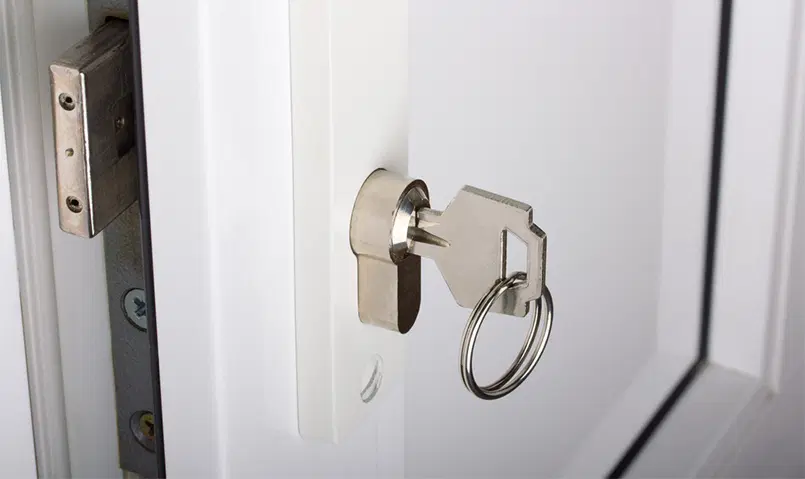
Understanding how lock cylinders work can help you make smarter decisions about your home’s security. The lock cylinder is the heart of most door locks, especially deadbolts, and is responsible for translating the turn of a key into the movement that secures or releases your door. Whether you’re a homeowner, renter, or property manager, knowing the basics of lock cylinder mechanics can help you troubleshoot issues, choose the right hardware, and appreciate the role these devices play in everyday safety.
Before diving into the internal workings, it’s helpful to recognize that not all deadbolts are created equal. Factors like cylinder type, keyway design, and installation quality all contribute to a lock’s effectiveness. If you’re considering an upgrade or want to ensure your current setup is secure, you might find our guide on the best deadbolt for shared houses useful for comparing options.
The Basics of Lock Cylinder Mechanisms
At its core, a lock cylinder is a small, barrel-shaped component that houses the keyway and the internal pins or wafers that interact with your key. When you insert the correct key, the pins align at what’s called the shear line, allowing the cylinder to turn and operate the locking mechanism. This simple principle is the foundation of most pin tumbler locks, which are the most common type found in residential deadbolts.
The cylinder’s design ensures that only a key with the right pattern can align the pins correctly. If the wrong key is inserted, the pins remain misaligned, and the cylinder won’t rotate. This straightforward yet effective system has been a standard in security hardware for decades.
Key Components Inside a Lock Cylinder
To fully grasp how lock cylinders work, it’s important to break down the main parts inside:
- Plug: The part of the cylinder that the key enters and turns.
- Housing: The outer shell that holds the plug and pins in place.
- Pins: Usually arranged in pairs (driver pins and key pins), these are pushed down by springs and must align at the shear line for the plug to rotate.
- Springs: Keep the pins pressed down into the plug until the correct key lifts them to the right height.
- Shear Line: The critical boundary between the plug and housing. When all pins align here, the lock can turn.
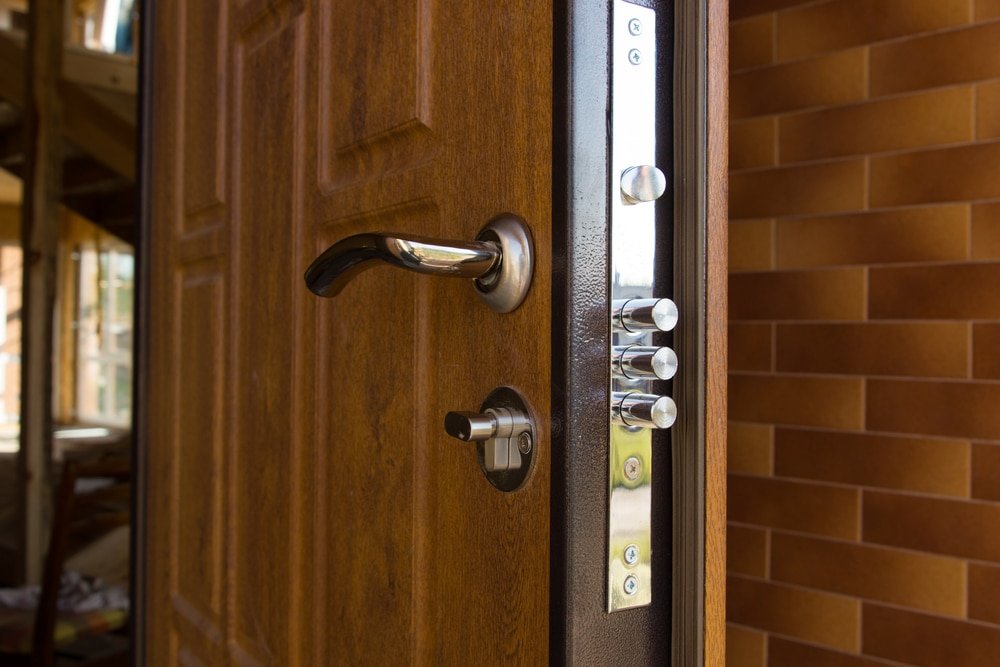
Each of these components must work together precisely. Even a small amount of dirt, wear, or damage can disrupt the alignment and prevent the lock from operating smoothly.
Pin Tumbler Locks: The Most Common Cylinder Type
Pin tumbler mechanisms are the industry standard for deadbolts and door locks. In these systems, the key’s unique pattern lifts each pin stack to the correct height. When all pins are aligned at the shear line, the plug can rotate, unlocking the door. If even one pin is out of place, the plug remains stuck.
This design is popular because it’s reliable and relatively resistant to simple picking attempts. However, not all pin tumbler locks offer the same level of protection. Higher-security cylinders may use mushroom or spool pins, which are shaped to make picking more difficult, or add features like sidebars or anti-drill plates.
For those interested in installation or upgrading, understanding the differences between standard and high-security cylinders can help you make informed choices. If you’re unsure about doing it yourself, our article on DIY vs professional deadbolt installation explores the pros and cons of each approach.
How Key Insertion and Rotation Unlocks Your Door
When you insert your key into the cylinder, the unique cuts on the key lift each pin stack to a specific height. If the key matches the lock, all the pins align perfectly at the shear line. This alignment allows the plug to turn freely, which in turn moves the deadbolt or latch mechanism inside the door.
If the wrong key is used, the pins will not align, and the plug will remain locked in place. This simple but effective design is why even a small difference in key shape can prevent access.
Some advanced cylinders use additional mechanisms, such as sidebar pins or rotating discs, to increase security and make unauthorized entry more difficult. These features are often found in commercial-grade or high-security residential locks.
Common Cylinder Types and Their Differences
There are several types of lock cylinders, each with its own advantages and applications:
- Single Cylinder: Operated by a key from the outside and a thumb turn from the inside. Common in residential deadbolts.
- Double Cylinder: Requires a key on both sides. Offers extra security but may not be suitable for all homes due to fire safety concerns.
- Euro Profile Cylinder: Frequently used in European doors, these are easily replaceable and come in various security grades.
- Oval and Mortise Cylinders: Used in commercial and some residential settings, these offer flexibility and can be integrated into complex locking systems.
Choosing the right cylinder depends on your door type, security needs, and local building codes. For guidance on measuring and selecting the correct size, see our practical tips in how to measure for a deadbolt.
Security Features and Vulnerabilities
While the basic mechanics of lock cylinders are effective, there are potential vulnerabilities. Common threats include lock picking, bumping, and drilling. To counter these, many modern cylinders incorporate features like:
- Anti-pick pins: Specially shaped pins that make picking more challenging.
- Anti-drill plates: Hardened inserts that resist drilling attacks.
- Restricted keyways: Unique key profiles that are difficult to duplicate without authorization.
- Key control systems: Limit who can copy keys, adding another layer of protection.
For a deeper dive into deadbolt security and how different cylinder designs compare, you can check out this comprehensive overview of deadbolt lock security from a leading lock manufacturer.
It’s also important to remember that even the best cylinder can be compromised by poor installation or misaligned doors. For more on this, our article on door alignment and deadbolt performance explains why proper fit matters for both security and ease of use.
Maintenance Tips for Reliable Operation
To keep your lock cylinders working smoothly, regular maintenance is key. Here are some practical steps:
- Use graphite or a lock-specific lubricant to keep pins moving freely. Avoid oil-based products, which can attract dust.
- Periodically check your keys for wear or bending, as damaged keys can harm the cylinder.
- Clean the keyway gently with compressed air to remove debris.
- If the lock becomes stiff or difficult to turn, address the issue promptly to prevent further damage.
Routine care not only extends the life of your locks but also helps prevent unexpected lockouts or failures.
Frequently Asked Questions
What’s the difference between a lock cylinder and a deadbolt?
The lock cylinder is the part of the lock where you insert the key and is responsible for the locking and unlocking action. The deadbolt is the solid metal bolt that extends into the door frame to secure the door. The cylinder operates the deadbolt mechanism when the correct key is used.
Can lock cylinders be rekeyed or replaced?
Yes, most lock cylinders can be rekeyed by a locksmith, which involves changing the internal pins to match a new key. If the cylinder is damaged or outdated, it can also be replaced entirely without changing the whole lock assembly.
How can I tell if my lock cylinder needs maintenance or replacement?
If your key is difficult to insert or turn, or if the lock feels loose or sticky, it may be time for maintenance. Visible wear, rust, or repeated malfunctions are signs that replacement might be necessary for continued security.