Maintaining your deadbolt lock is essential for keeping your home secure and ensuring smooth operation over time. Dirt, dust, and grime can accumulate inside and around the mechanism, causing it to stick or become difficult to turn. By following a practical deadbolt lock cleaning guide, you can extend the lifespan of your lock and avoid unnecessary repairs or replacements.
Regular upkeep not only improves the function of your lock but also helps you spot early signs of wear or potential security issues. Whether you have a traditional keyed deadbolt or a modern electronic model, a few simple cleaning steps can make a noticeable difference in performance.

For those living in shared spaces, keeping your locks in top condition is even more important. If you’re interested in choosing the right type for your situation, check out our best deadbolt for shared houses guide for additional tips.
Why Regular Deadbolt Maintenance Matters
Deadbolts are a critical part of your home’s security system. Over time, exposure to the elements, frequent use, and lack of maintenance can lead to problems such as:
- Difficulty turning the key or knob
- Sticking, jamming, or grinding noises
- Corrosion or rust on the lock body
- Reduced overall security
By following a deadbolt lock cleaning guide, you can prevent these issues and ensure your lock continues to function as intended. Regular care also helps you avoid emergency locksmith visits and costly replacements.
Tools and Materials for Cleaning Your Deadbolt
Before you start, gather the following items to make the process efficient and safe:
- Soft, lint-free cloths
- Small brush (such as an old toothbrush)
- Compressed air canister
- Graphite powder or silicone-based lubricant (avoid oil-based products)
- Mild soap and water
- Phillips or flathead screwdriver (if you need to remove the lock)
- Cotton swabs
Having the right tools ensures you won’t damage the lock’s finish or internal components during cleaning.
Step-by-Step Deadbolt Lock Cleaning Guide
Follow these steps to thoroughly clean and maintain your deadbolt:
-
Surface Cleaning
Wipe the exterior of the lock with a damp cloth and mild soap to remove dirt and fingerprints. Dry thoroughly with a clean cloth to prevent water spots or corrosion. -
Remove Dust and Debris
Use compressed air to blow out dust from the keyway and around the bolt. A small brush can help dislodge stubborn debris from crevices. -
Clean the Keyway
Insert a cotton swab lightly moistened with rubbing alcohol into the keyhole to remove grime. Be gentle to avoid leaving fibers behind. -
Lubricate the Mechanism
Apply a small amount of graphite powder or silicone-based lubricant into the keyway. Insert and turn the key several times to distribute the lubricant evenly. Avoid using oil-based sprays, as they can attract dust and gum up the mechanism. -
Inspect and Reassemble
If you removed the lock, reattach it securely. Test the lock several times to ensure smooth operation.
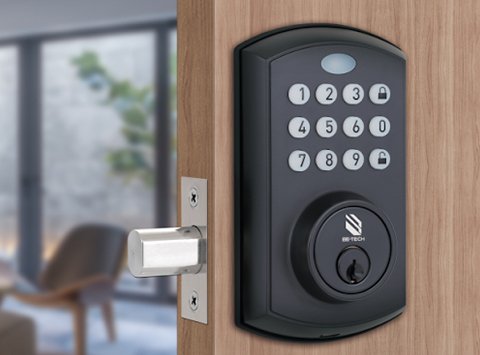
Cleaning Tips for Electronic and Smart Deadbolts
Modern deadbolts often include electronic components or keypads. These require special care to avoid damaging sensitive parts:
- Use a dry or slightly damp cloth to clean touchpads or screens; never spray cleaners directly onto the lock.
- Avoid harsh chemicals that can erode protective coatings or seep into electronic circuits.
- Check battery compartments for corrosion and replace batteries as needed.
For more on different types of deadbolts and their unique care needs, see this comprehensive guide to deadbolt lock types and benefits.
How Often Should You Clean Your Deadbolt?
For most homes, a thorough cleaning every six months is sufficient. However, if your door is exposed to heavy weather, dust, or frequent use, consider cleaning it every three months. Regular spot cleaning of the exterior can help maintain appearance and function between deep cleans.
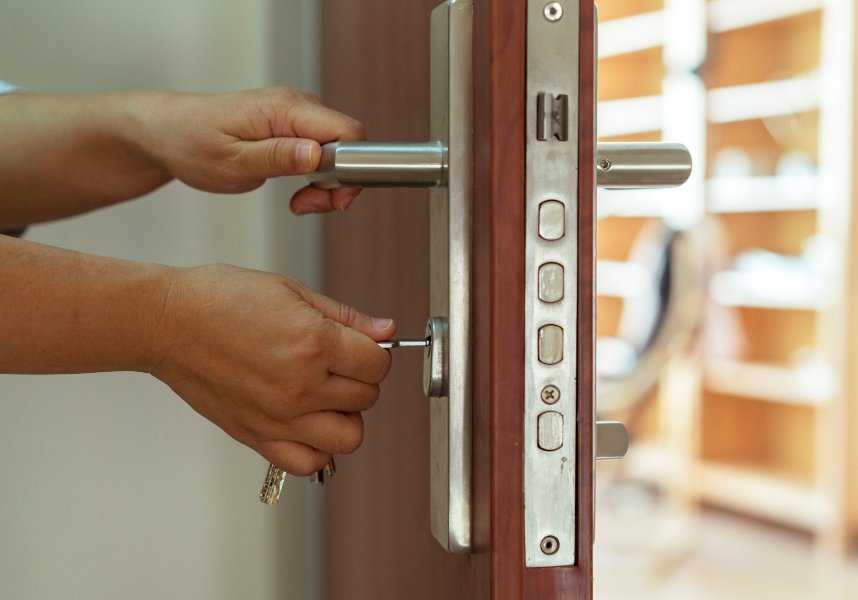
Common Mistakes to Avoid When Maintaining Deadbolts
Even with the best intentions, some cleaning habits can do more harm than good. Here are a few pitfalls to watch out for:
- Using oil-based lubricants: These can attract dust and cause the mechanism to gum up over time.
- Over-lubricating: Too much lubricant can drip into the door or frame, leading to sticky residue.
- Forgetting to dry surfaces: Moisture left on the lock can cause rust or corrosion, especially on exterior doors.
- Neglecting the strike plate: Clean and lubricate the strike plate in the door frame for smooth locking action.
When to Call a Professional Locksmith
If you notice persistent issues after cleaning—such as the key sticking, the lock not turning smoothly, or visible damage—it may be time to consult a locksmith. Attempting to force a jammed lock can cause further damage or even lock you out. For advice on choosing a reputable locksmith, see our article on how to choose a trustworthy locksmith.
Additional Tips for Long-Term Deadbolt Performance
- Check door alignment regularly, as a misaligned door can strain the lock mechanism. Our guide on door alignment and deadbolt performance explains why this matters.
- Inspect your keys for wear. Worn keys can damage the lock cylinder over time.
- Consider upgrading to a higher-security deadbolt if your current one shows signs of age or vulnerability.
- Always use the correct size and type of deadbolt for your door. For help with sizing, refer to our resource on how to measure for a deadbolt.
FAQ: Deadbolt Lock Cleaning and Maintenance
How do I know if my deadbolt needs cleaning?
Signs that your lock needs attention include difficulty turning the key, grinding noises, or visible dirt and debris around the keyhole. If the lock feels sticky or sluggish, it’s likely time for a cleaning.
Can I use WD-40 or other oil-based sprays on my deadbolt?
It’s best to avoid oil-based products like WD-40 for deadbolt maintenance. These can attract dust and eventually cause the mechanism to become sticky. Use a graphite powder or silicone-based lubricant instead.
Is it safe to remove the deadbolt for cleaning?
Yes, you can remove the lock for a more thorough cleaning if you’re comfortable with basic tools. Be sure to keep track of all screws and components, and reassemble the lock carefully. If you’re unsure or encounter problems, consult a professional locksmith.
How can I keep my electronic deadbolt clean without damaging it?
Use a soft, dry cloth or a slightly damp cloth for cleaning the keypad or touchscreen. Avoid harsh chemicals and never spray liquid directly onto the lock. Check battery compartments for corrosion and replace batteries as needed.