Proper door alignment and deadbolt performance are fundamental to home security, daily convenience, and the long-term durability of your locks. When a door is even slightly misaligned, it can compromise the effectiveness of your deadbolt, making your property more vulnerable and causing unnecessary wear on both the lock and the door. Many homeowners overlook these details, but understanding their importance can help you avoid common problems and extend the life of your security hardware.
Whether you’re installing a new deadbolt, troubleshooting a sticky lock, or simply maintaining your entryways, paying attention to how your door fits within its frame is crucial. Even the most robust deadbolt can fail to protect if it doesn’t engage smoothly and fully. For those considering the pros and cons of handling lock upgrades themselves, our guide on DIY vs professional deadbolt installation offers a detailed comparison to help you make the right choice for your situation.
Understanding the Relationship Between Door Fit and Lock Security
When a door is properly aligned, the deadbolt slides smoothly into the strike plate, ensuring a secure lock every time. However, if the door sags, warps, or shifts due to humidity, settling, or frequent use, the bolt may not fully extend or may require excessive force to operate. This not only reduces security but can also damage the lock mechanism over time.
Common signs of misalignment include:
- Difficulty turning the key or thumbturn
- Deadbolt not fully extending into the strike plate
- Visible gaps or uneven spacing around the door edges
- Doors that stick, rub, or fail to latch properly
Addressing these issues early can prevent lockouts, reduce the risk of break-ins, and save money on repairs or replacements.
How Door Alignment Affects Deadbolt Functionality
The performance of a deadbolt is closely tied to how well the door sits within its frame. If the bolt cannot move freely, it may not engage fully, leaving your home less secure. Over time, forcing a misaligned deadbolt can lead to premature wear or even complete lock failure. For more on why locks deteriorate, see our article on why deadbolts fail over time.
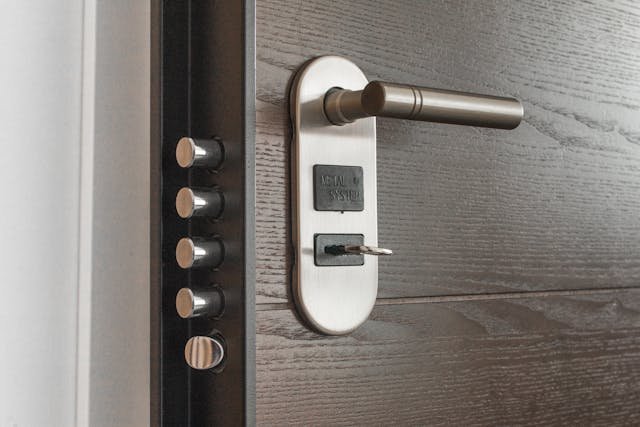
Proper alignment ensures that:
- The deadbolt extends its full length into the strike plate, maximizing resistance to forced entry
- Wear on internal lock components is minimized
- Keys and thumbturns operate smoothly, reducing the risk of accidental lockouts
In contrast, poor alignment can cause the bolt to catch on the edge of the strike plate or fail to engage at all, leaving the door vulnerable even when it appears locked.
Common Causes of Misalignment and Their Impact on Security
Several factors can cause a door to shift out of alignment, each with its own impact on deadbolt performance:
- Weather and humidity: Wood doors and frames can swell or shrink with changes in moisture, leading to seasonal misalignment.
- Settling foundations: As homes age, minor shifts in the foundation can alter the fit of doors within their frames.
- Frequent use: High-traffic doors may experience hinge wear or loosening over time, causing sagging or shifting.
- Poor installation: Incorrectly installed doors or locks may never align properly, resulting in chronic issues from the start.
Each of these issues can undermine the effectiveness of even the best deadbolt, making regular inspection and maintenance essential for optimal security.
Improving Door Alignment for Better Deadbolt Performance
Addressing alignment issues doesn’t always require a full door replacement. In many cases, simple adjustments can restore proper function and extend the life of your lock:
- Tighten hinge screws: Loose hinges are a common cause of sagging doors. Use longer screws if necessary to anchor hinges securely into the frame.
- Adjust the strike plate: If the deadbolt doesn’t align with the strike plate, repositioning or enlarging the plate opening can help.
- Weatherstripping and shims: Use these to correct minor gaps or unevenness around the door edges.
- Professional assessment: For persistent or complex issues, a locksmith or carpenter can diagnose and resolve structural problems.

Regularly checking your doors for signs of misalignment and making timely adjustments can prevent many common lock problems before they start.
Choosing the Right Deadbolt for Your Door
Not all deadbolts are created equal, and some are better suited to certain door types or conditions. When selecting a new lock, consider:
- Backset and bore size: Ensure compatibility with your door’s existing holes and thickness. For guidance, see our resource on how to measure for a deadbolt.
- Security rating: Look for locks with high-grade ratings for maximum protection.
- Strike plate reinforcement: A heavy-duty strike plate with long screws can greatly improve resistance to forced entry.
- Keyway and technology: Advanced options, such as those described in our high security keyways explained guide, offer added protection against picking and bumping.
For a breakdown of the most common lock types and their features, check out this comprehensive overview of deadbolt types.
Maintenance Tips for Long-Term Lock Reliability
Even the best-aligned door and highest-quality deadbolt require periodic care. To keep your locks functioning smoothly and securely:
- Lubricate the lock mechanism with a graphite or silicone-based product every 6–12 months
- Inspect and tighten all hardware, including hinges and strike plates
- Check for signs of wear, rust, or damage and replace components as needed
- Test the deadbolt regularly to ensure it engages fully and without resistance
Proactive maintenance not only extends the life of your locks but also helps you spot potential security risks before they become serious problems.
Frequently Asked Questions
How can I tell if my door is misaligned?
Common signs include difficulty locking or unlocking the deadbolt, visible gaps between the door and frame, or a door that sticks or rubs when opening and closing. If the deadbolt doesn’t slide smoothly into the strike plate, alignment is likely an issue.
Can misalignment cause my deadbolt to break?
Yes, forcing a deadbolt to operate when the door is out of alignment puts extra stress on the lock mechanism. Over time, this can lead to internal damage, broken keys, or complete lock failure.
Should I fix door alignment issues myself or call a professional?
Minor adjustments, such as tightening hinge screws or repositioning the strike plate, can often be handled by homeowners with basic tools. However, if the problem persists or involves structural issues, it’s best to consult a locksmith or carpenter for a thorough assessment and repair.