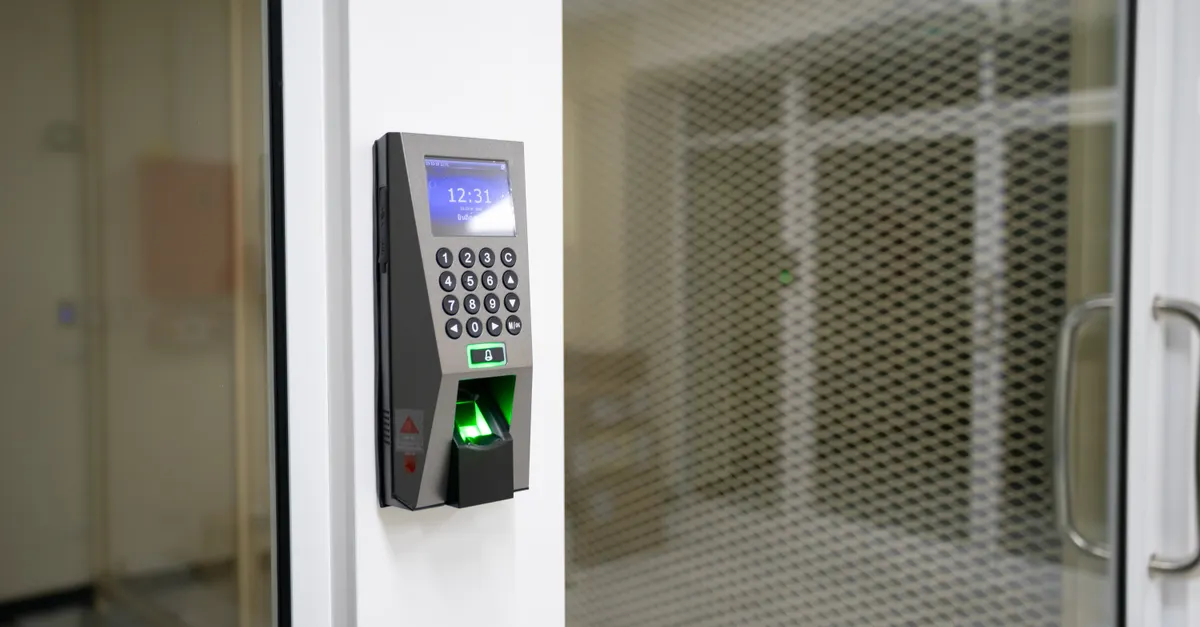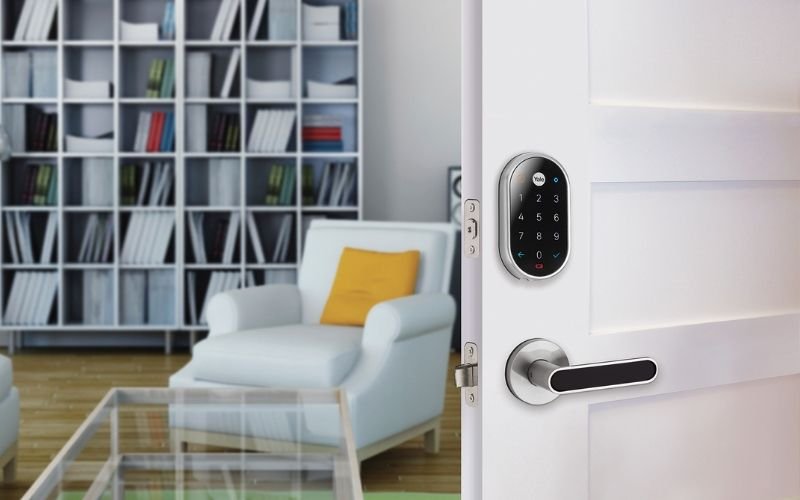
Keeping pets safe at home is a top priority for every responsible owner. While most people focus on food, exercise, and regular vet visits, the role of pet safety and door locks is often overlooked. Pets are curious by nature, and an unsecured door can quickly lead to a dog or cat escaping, getting lost, or even encountering danger outside. Understanding how different types of locks and security measures can protect your furry friends is essential for a secure and pet-friendly household.
From smart locks to traditional deadbolts, the right door security can prevent accidental escapes and keep pets from harm. Whether you have a mischievous puppy, a clever cat, or a large dog with a knack for opening doors, the right precautions make all the difference. In this guide, we’ll explore the best practices and products for ensuring your home is both pet-proof and secure.
Choosing the right lock is just one part of the equation. It’s also important to consider installation, maintenance, and how your pet interacts with doors in your home. For those living in shared spaces or apartments, you may find it helpful to review advice on the best deadbolt for shared houses to ensure both human and animal safety.
Why Door Security Matters for Pet Owners
Many pets are surprisingly adept at opening doors, especially lever handles or doors that don’t latch securely. Even a gentle nudge or a jump can sometimes pop a door open, leading to unplanned adventures. Beyond escapes, unsecured doors can allow unwanted visitors—both animal and human—into your home, putting your pets at risk.
Proper pet safety and door locks help prevent:
- Pets running into busy streets or unfamiliar neighborhoods
- Animals getting lost or injured
- Unsupervised access to hazardous areas, such as garages or basements
- Other animals or intruders entering your home
By investing in secure locking solutions, you create a safer environment for everyone in your household.
Types of Locks and Their Impact on Pet Safety
Not all locks are created equal when it comes to keeping pets safe. Some are more resistant to paws and noses, while others may be easily manipulated by clever animals. Here are the most common types and their pros and cons for pet owners:
Deadbolts and Manual Locks
Traditional deadbolts are generally reliable for preventing pets from opening doors. They require a key or thumb turn, making them difficult for animals to operate. However, if the deadbolt is left unlocked, a determined pet may still be able to push the door open. For best results, always engage the deadbolt when leaving pets unattended.
Smart Locks and Keyless Entry
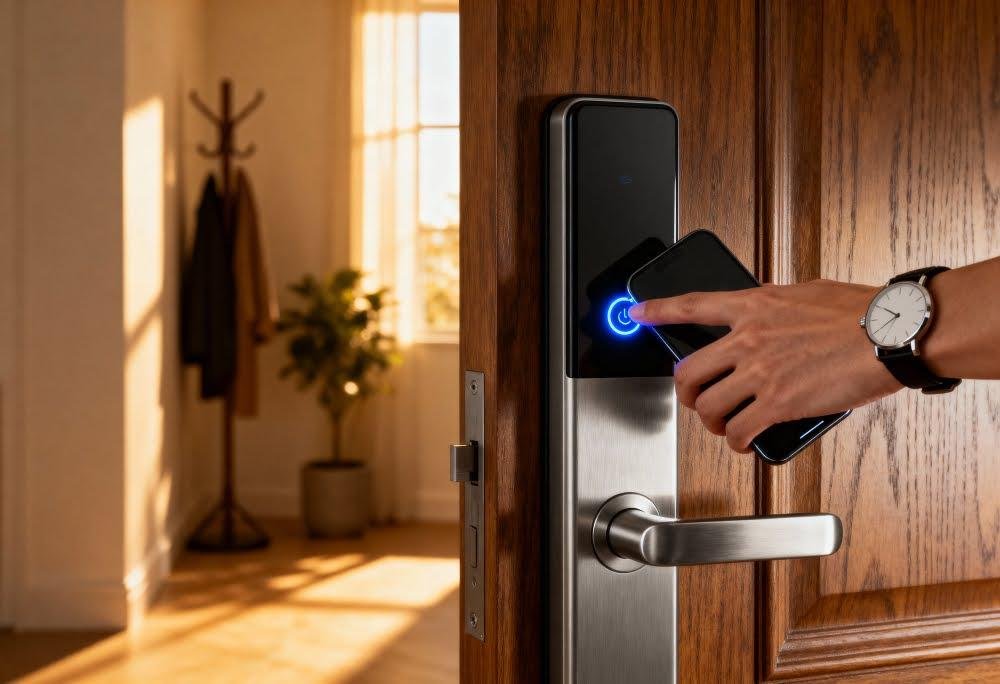
Smart locks offer convenience and enhanced security. Many models allow you to lock or unlock doors remotely, set schedules, or receive alerts if a door is left open. This can be especially useful if you worry about pets escaping when you’re not home. Some smart locks even integrate with home security systems, providing extra peace of mind. However, ensure the lock is installed high enough that pets can’t accidentally trigger the mechanism.
Lever Handles vs. Knobs
Lever handles are easier for pets to manipulate, especially large dogs or cats that jump. If your doors have lever handles, consider switching to round knobs or adding a secondary locking mechanism. Childproof covers can also deter pets from opening doors.
Sliding Door Locks
Sliding doors are common in homes with patios or backyards. Standard latches may not be enough to keep determined pets inside. Adding a secondary lock or a security bar can prevent pets from pushing the door open or squeezing through gaps.
Best Practices for Pet-Proofing Doors
Beyond choosing the right lock, there are several steps you can take to enhance security and protect your pets:
- Install locks out of reach: Place deadbolts or smart locks higher on the door to keep them away from curious paws and noses.
- Use door alarms: Audible alarms can alert you if a door is opened unexpectedly, giving you time to react before your pet escapes.
- Reinforce weak doors: Hollow-core or poorly fitted doors are easier for pets to open or damage. Upgrade to solid doors where possible.
- Regularly check locks: Ensure all locks are functioning properly and haven’t become loose or worn over time.
- Supervise pets near exits: Especially when guests are coming or going, keep an eye on pets who may try to slip out unnoticed.
For more tips on installation and maintenance, you might want to explore DIY vs professional deadbolt installation to determine the best approach for your home.
Common Mistakes That Compromise Pet Security
Even with good intentions, some common oversights can put pets at risk. Avoid these pitfalls to maintain a secure environment:
- Leaving doors unlocked or ajar, especially when pets are home alone
- Relying solely on basic latches or handles without secondary locks
- Ignoring worn or malfunctioning lock mechanisms
- Not considering pet behavior when choosing door hardware
- Forgetting to secure sliding or patio doors
Taking a proactive approach to pet safety and door locks reduces the chances of accidents and keeps your household secure.
Choosing the Right Lock for Your Home and Pets
When selecting a lock, consider your pet’s size, strength, and habits. Large, energetic dogs may require stronger locks and reinforced doors, while cats or small dogs may need childproofing solutions. Smart locks are ideal for tech-savvy owners who want remote control and monitoring capabilities.
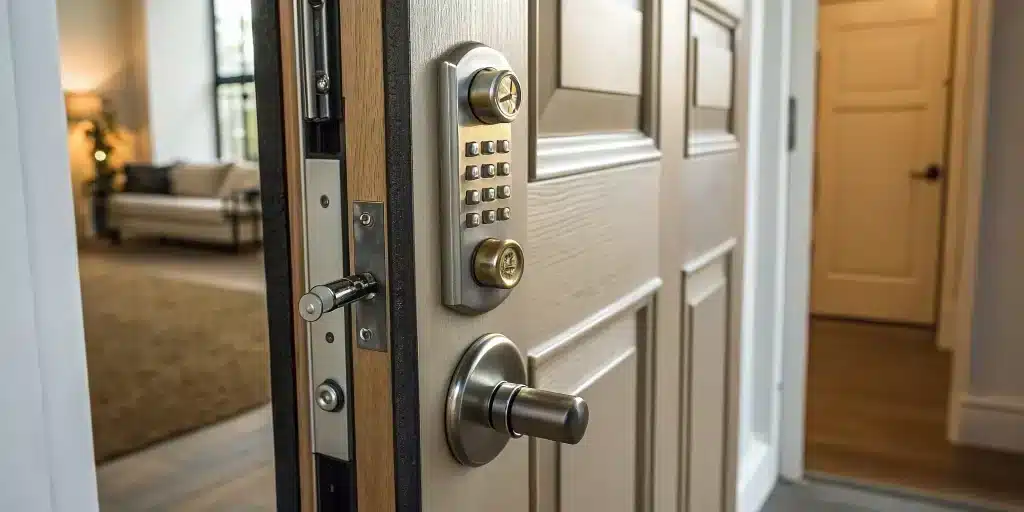
For those sharing homes with roommates or family, it’s helpful to review the best deadbolt for shared houses to find options that balance accessibility and security for both people and pets.
Additionally, always purchase locks from reputable sources and consider consulting a professional locksmith if you’re unsure about installation or compatibility with your doors.
Enhancing Home Security for Pets and People
Securing your home goes beyond just the front door. Consider the following additional measures:
- Install window locks, especially on ground-level windows that pets could access
- Use baby gates or pet barriers to restrict access to certain rooms or exits
- Ensure fences and outdoor gates are secure and in good repair
- Consider a monitored home security system for real-time alerts and emergency response
For a deeper dive into how locks can improve overall home safety, check out this comprehensive guide on increasing home security with locks.
Frequently Asked Questions
How can I stop my dog from opening doors?
Switching from lever handles to round knobs, installing locks higher up, and using childproof covers are effective ways to prevent dogs from opening doors. Consistent training and supervision also help discourage this behavior.
Are smart locks safe for homes with pets?
Yes, smart locks can enhance safety for pet owners by allowing remote locking and monitoring. Just ensure the lock is installed out of reach of pets and that the system is regularly updated for security.
What should I do if my pet escapes through a door?
Immediately check your neighborhood and alert local shelters or animal control. Having your pet microchipped and wearing ID tags increases the chances of a safe return. Review your door security to prevent future escapes.
Is it necessary to lock interior doors for pet safety?
In some cases, yes. Locking doors to hazardous areas like garages, basements, or rooms with toxic substances can prevent accidents and keep pets safe.
By understanding the importance of pet safety and door locks and taking the right precautions, you can create a secure, comfortable environment for your pets and your family. Regularly review your home’s security and stay proactive to ensure your furry companions stay safe where they belong—at home.