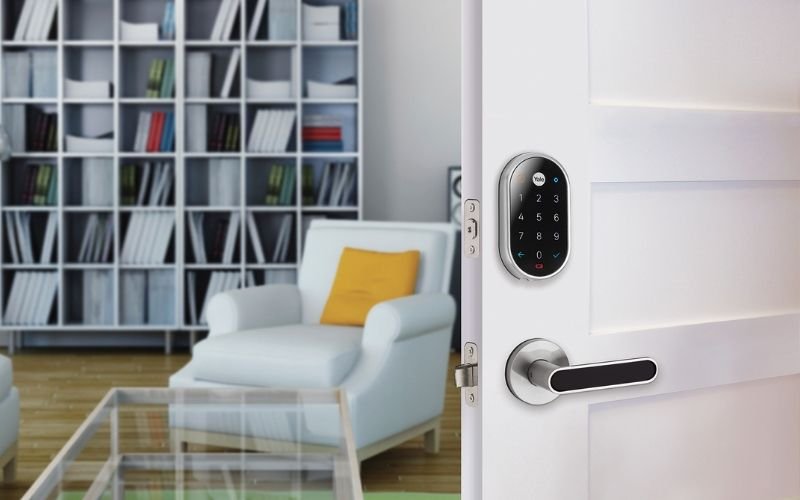
As home security technology evolves, biometric deadbolt locks are gaining attention for their promise of keyless convenience and enhanced protection. These locks use fingerprint recognition or other biometric data to grant access, eliminating the need for traditional keys or codes. But before making the switch, it’s important to weigh the biometric deadbolt lock pros and cons to determine if this modern solution fits your needs and lifestyle.
Whether you’re upgrading your home’s entry points or considering options for a shared residence, understanding the benefits and drawbacks of biometric locks can help you make an informed decision. For those living with roommates or family, you might also want to explore the best deadbolt for shared houses to compare traditional and smart lock options.
Understanding Biometric Deadbolt Locks
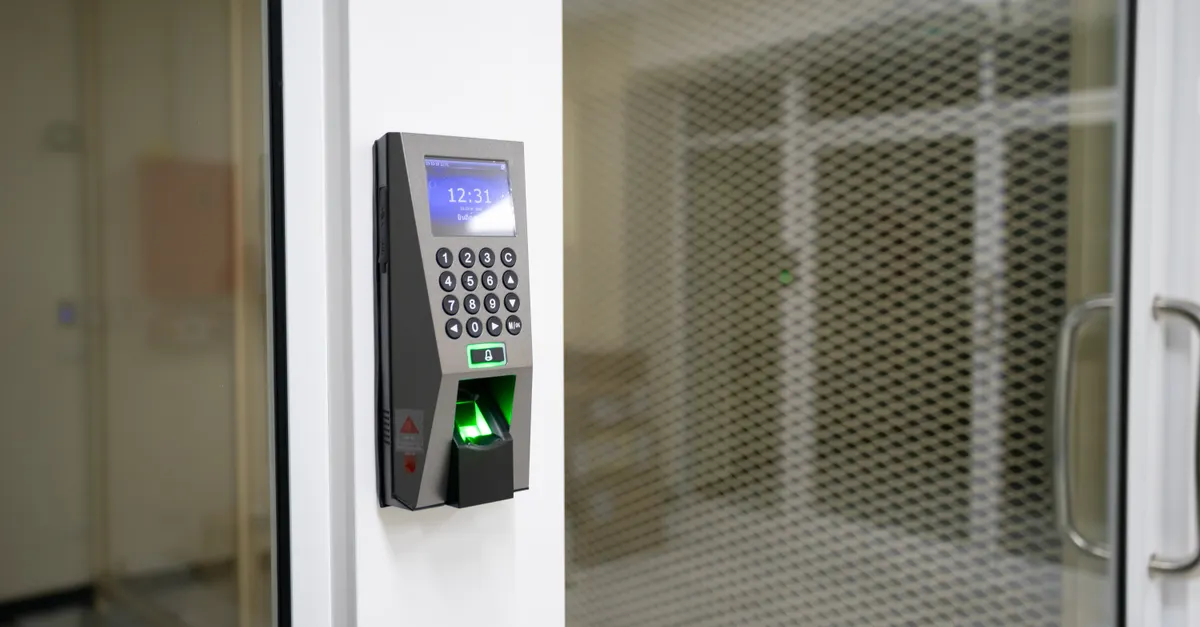
Biometric deadbolts are electronic locks that use unique physical characteristics—most commonly fingerprints—to verify identity and unlock doors. Some models also support facial recognition or palm vein scanning, but fingerprint sensors are by far the most popular in residential settings. These locks often come with backup entry methods, such as PIN codes or physical keys, in case the biometric system fails.
Unlike standard deadbolts, biometric versions offer a blend of convenience and high-tech security. They are designed for homeowners seeking a modern, keyless entry solution that reduces the risk of lost or stolen keys. However, as with any technology, there are both advantages and disadvantages to consider.
Key Advantages of Biometric Deadbolt Locks
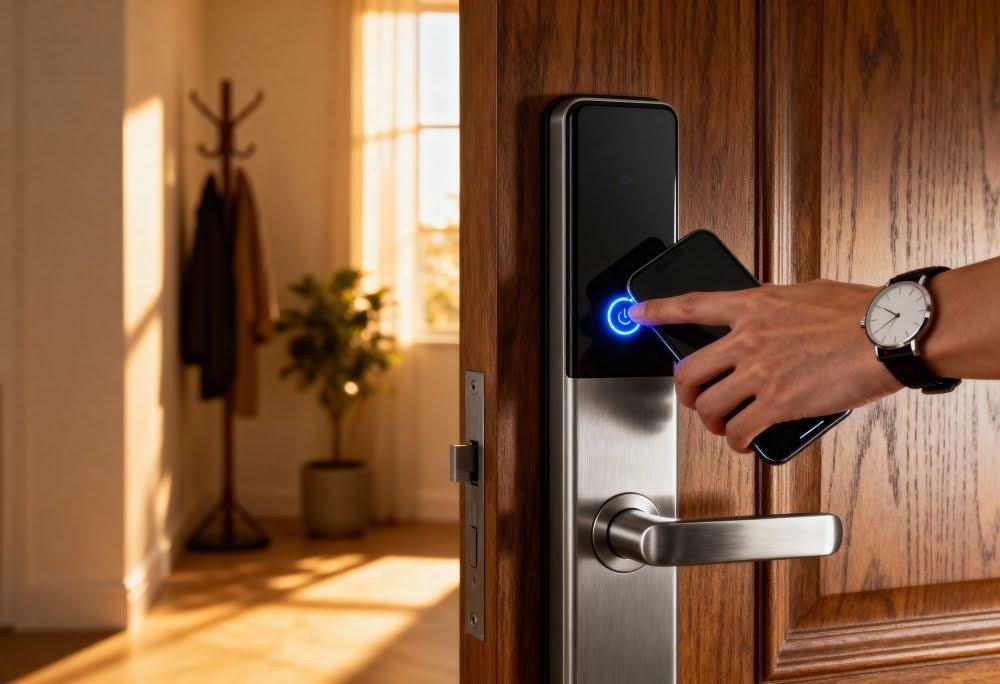
When evaluating biometric deadbolt lock pros and cons, it’s clear that these devices offer several compelling benefits:
- Keyless Convenience: No more fumbling for keys or worrying about losing them. Simply use your fingerprint to unlock the door.
- Enhanced Security: Biometric data is unique to each individual, making unauthorized entry much more difficult compared to traditional locks or PIN codes.
- Access Control: Homeowners can easily add or remove users, track access logs, and set permissions for family members, guests, or service providers.
- Quick Entry: Unlocking with a fingerprint is typically faster than inserting a key or entering a code, especially in low-light conditions or when your hands are full.
- Reduced Risk of Lockouts: As long as your fingerprint is registered, you won’t be locked out due to lost keys or forgotten codes.
For seniors or those with mobility challenges, biometric locks can offer deadbolt security for seniors that is both secure and easy to use, reducing the need for fine motor skills required by traditional keys.
Potential Drawbacks to Consider
Despite their advantages, biometric deadbolt locks are not without limitations. Here are some common concerns:
- Power Dependency: These locks require batteries or a wired power source. If the power fails or batteries die, you may need to use a backup key or code.
- Sensor Reliability: Dirt, moisture, or worn fingerprints can cause recognition errors. Some users may experience difficulty if their fingerprints are hard to read.
- Installation Complexity: Installing a biometric lock may be more involved than a standard deadbolt. Some models require professional installation, especially if wiring is needed. If you’re weighing your options, read about DIY vs professional deadbolt installation for more guidance.
- Cost: Biometric deadbolts are generally more expensive than mechanical locks, both in terms of initial purchase and potential maintenance.
- Privacy Concerns: Storing biometric data raises questions about privacy and data security. While most residential locks store data locally, it’s important to review the manufacturer’s privacy policy.
- Environmental Limitations: Extreme temperatures or exposure to the elements can affect the performance of fingerprint sensors.
Comparing Biometric Locks to Traditional Deadbolts
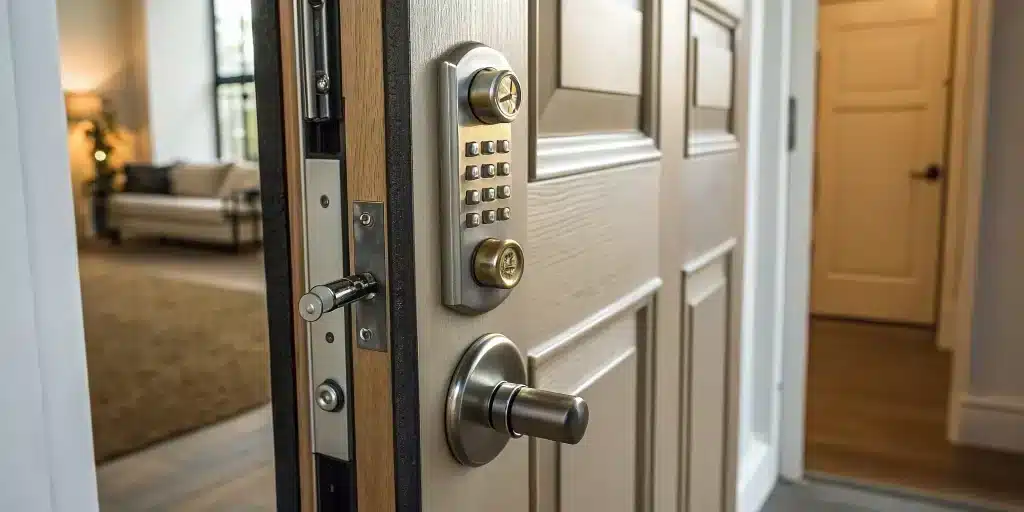
When deciding between a biometric deadbolt and a traditional lock, consider your household’s needs and habits. Mechanical deadbolts are time-tested, reliable, and don’t rely on electricity. However, they lack the convenience and advanced access control features of biometric models.
For homes with frequent visitors, housekeepers, or shared living arrangements, biometric locks make it easy to manage access without distributing physical keys. On the other hand, if you prefer simplicity and minimal maintenance, a high-quality mechanical deadbolt may be a better fit.
It’s also important to measure your doors accurately before upgrading. For tips on getting the right fit, see how to measure for a deadbolt to avoid common sizing mistakes.
Security and Home Protection Considerations
One of the main reasons homeowners consider biometric deadbolts is the promise of improved security. While these locks are generally harder to pick or bump than traditional models, they are not immune to all threats. Some vulnerabilities include:
- Physical Bypass: Like any lock, the physical components can be attacked with force or specialized tools.
- Electronic Hacking: Advanced hackers may attempt to exploit software vulnerabilities, though most residential locks use local storage and encryption to reduce risk.
- Data Breaches: While rare in home settings, any device that stores biometric data could theoretically be targeted. Always choose reputable brands with strong privacy protections.
For a broader look at how different lock types contribute to home safety, you can explore resources like how locks increase home security for additional insights.
Who Should Consider a Biometric Deadbolt?
Biometric deadbolts are best suited for those who value convenience, want to eliminate key management, or need to grant access to multiple people without distributing physical keys. They are especially useful in:
- Busy households with children, roommates, or frequent guests
- Homes where security and access tracking are priorities
- Residences where occupants may have difficulty using traditional keys
However, if you live in an area with frequent power outages, have privacy concerns about biometric data, or prefer low-maintenance solutions, a mechanical deadbolt may be more practical.
Maintenance, Upkeep, and Longevity
Maintaining a biometric deadbolt involves more than just occasional cleaning. You’ll need to replace batteries periodically and ensure the sensor remains free of dirt and debris. Some models offer low-battery alerts and weather-resistant designs, but it’s wise to check these features before purchasing.
As with any electronic device, firmware updates may be required to address security vulnerabilities or improve performance. Always follow the manufacturer’s recommendations for updates and maintenance.
FAQ: Biometric Deadbolt Locks
Are biometric deadbolt locks more secure than traditional locks?
Biometric locks offer enhanced security by using unique physical traits for access, making them harder to pick or duplicate than standard keys. However, their overall security also depends on build quality, installation, and how biometric data is stored.
What happens if the fingerprint sensor fails or the power goes out?
Most biometric deadbolts include backup entry methods, such as a mechanical key or PIN code. It’s important to register multiple fingerprints and keep a backup key accessible in case of technical issues or battery failure.
Can biometric deadbolt locks be hacked?
While no lock is completely immune to hacking, most residential biometric deadbolts use local data storage and encryption to minimize risks. Choosing a reputable brand and keeping firmware updated further reduces vulnerability.
Final Thoughts: Is a Biometric Deadbolt Right for You?
Weighing the biometric deadbolt lock pros and cons is essential before making a decision. These locks deliver keyless convenience and advanced access control, but come with considerations like cost, maintenance, and privacy. By understanding both the strengths and limitations, you can choose the best security solution for your home’s unique needs.