Upgrading your door security is one of the most effective ways to protect your home, and installing a deadbolt is a straightforward project that even beginners can tackle. With the right tools and a clear process, you can boost your property’s safety in just an afternoon. This article walks you through the essentials of deadbolt installation for beginners, covering preparation, step-by-step instructions, and practical tips to ensure a secure fit.
If you’re weighing your options between doing it yourself or hiring a professional, you may want to check out this detailed comparison on DIY vs professional deadbolt installation for additional insights before you begin.
Why Choose a Deadbolt for Home Security?
Deadbolts are widely recognized as one of the most secure types of locks for residential doors. Unlike standard spring bolt locks, deadbolts require a key or thumb turn to operate, making them much harder to force open. For those new to home improvement, understanding the benefits of this lock type is a great starting point. Deadbolts offer:
- Increased resistance to forced entry compared to standard door locks.
- Simple operation and reliable performance.
- Compatibility with most exterior doors.
There are several types of deadbolts available, including single-cylinder, double-cylinder, and smart deadbolts. For a deeper dive into the different options, see this guide to deadbolt lock types.
Essential Tools and Materials for First-Time Installers
Before starting your deadbolt installation for beginners project, gather the following tools and materials:
- Deadbolt lock set (ensure it fits your door thickness)
- Power drill and drill bits (usually 2 1/8″ for the lock and 1″ for the latch)
- Phillips and flathead screwdrivers
- Chisel and hammer
- Measuring tape and pencil
- Masking tape (to prevent wood splintering)
- Safety glasses
Having everything ready before you begin will make the process smoother and help prevent mistakes.

Step-by-Step Deadbolt Installation Process
Follow these steps to install a deadbolt on a standard wooden door. If your door is metal or fiberglass, check the manufacturer’s instructions for any special considerations.
1. Mark the Lock and Latch Positions
Use your measuring tape to mark the desired height for the deadbolt—typically 6 to 12 inches above the existing knob. Hold the template from your lock set against the door and mark the center of the hole for the lock cylinder and the latch.
2. Drill the Holes
Drill a hole through the face of the door for the lock cylinder using the correct size hole saw (usually 2 1/8″). Drill slowly and use masking tape to minimize splintering. Next, drill a 1″ hole into the edge of the door for the latch bolt, making sure it aligns with the cylinder hole.
3. Chisel the Mortise
Insert the latch into the hole and trace around the faceplate. Remove the latch and use a chisel to create a shallow mortise so the faceplate sits flush with the door edge. This step ensures the latch fits securely and the door closes smoothly.
4. Install the Latch and Cylinder
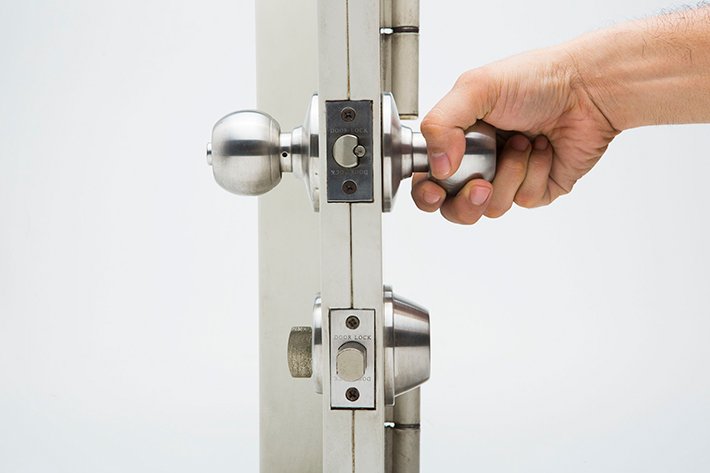
Place the latch into the edge hole and attach it with screws. Then, insert the exterior and interior parts of the deadbolt through the holes, ensuring the tailpiece fits through the latch mechanism. Secure both sides with the provided screws, tightening them evenly.
5. Attach the Strike Plate
Close the door and mark where the latch contacts the door frame. Drill a hole for the bolt, then chisel a mortise for the strike plate. Secure the plate with long screws that reach into the wall stud for maximum strength.
6. Test the Deadbolt
Turn the key or thumb turn to ensure the bolt slides smoothly into the strike plate. If it sticks, check alignment and adjust as needed. Proper alignment is crucial for both security and ease of use. For more on this, see the article on door alignment and deadbolt performance.
Common Mistakes and How to Avoid Them
Even with clear instructions, beginners sometimes run into issues. Here are some common pitfalls and how to prevent them:
- Misaligned holes: Double-check measurements before drilling to ensure the lock and latch line up.
- Splintered wood: Use masking tape and drill slowly to avoid damaging the door surface.
- Loose hardware: Tighten all screws firmly, but avoid over-tightening, which can strip the holes.
- Poor strike plate installation: Use long screws to anchor the plate securely in the frame, not just the trim.
Taking your time and following each step carefully will help you achieve a professional-looking result.
Tips for a Secure and Lasting Deadbolt Installation
To maximize the effectiveness of your new lock, keep these tips in mind:
- Choose a deadbolt rated for exterior use and certified by recognized security standards.
- Consider upgrading to a reinforced strike plate for added protection.
- Regularly check and maintain your lock to ensure smooth operation.
- If you live in a shared home, you might find this guide on the best deadbolt for shared houses helpful for choosing the right model.
For seniors or those needing easier access, there are also solutions designed for safety and convenience, as discussed in deadbolt security for seniors.
Frequently Asked Questions
Do I need special tools for installing a deadbolt?
Most installations require basic hand tools and a power drill. Some lock sets include templates or hole saws, but you may need to purchase a hole saw separately if your kit doesn’t include one.
Can I add a deadbolt to any door?
Deadbolts can be installed on most solid wood or metal doors. Hollow-core interior doors are not suitable for deadbolts, as they lack the strength needed for proper security.
How long does it take to install a deadbolt for a beginner?
For someone new to DIY projects, expect the process to take about 1–2 hours, including measuring, drilling, and cleanup. Taking your time ensures a secure and neat installation.
Conclusion
Learning how to install a deadbolt is a valuable skill for any homeowner or renter looking to improve security. With careful preparation and attention to detail, even beginners can achieve a sturdy, reliable lock. If you’re ever unsure or encounter a complex situation, don’t hesitate to consult a professional. For more advice on finding a reputable locksmith, see this guide on how to choose a trustworthy locksmith.