Experiencing a break-in can be unsettling and leave you feeling vulnerable in your own home. One of the most urgent priorities after such an event is making sure your entry points are properly reinforced to prevent further incidents. Understanding how to secure doors after break in situations is crucial for restoring your peace of mind and improving your property’s safety.
This article offers a practical, step-by-step approach to strengthening your doors, from assessing the damage to choosing the right security upgrades. We’ll also cover when to call professionals, how to avoid common mistakes, and which products or services can make a real difference. If you’re looking for more guidance on choosing the right lock or want to understand the pros and cons of different installation methods, you might find this resource on DIY vs professional deadbolt installation helpful as you plan your next steps.
Assessing Door Damage After a Break-In
The first step in how to secure doors after break in events is to carefully inspect all affected entryways. Look for:
- Visible cracks or splits in the door frame
- Broken or loose locks and hardware
- Damage to hinges or strike plates
- Signs of forced entry, such as pry marks or bent metal
Document the damage with photos for insurance purposes. If the door cannot be closed or locked, use a temporary solution such as a piece of wood or a security bar until repairs can be made. For severe structural damage, consider replacing the entire door and frame rather than attempting a patch job.
Immediate Actions to Reinforce Entry Points
Once you’ve assessed the situation, take these immediate steps to restore security:
- Replace or repair locks: Install new deadbolts or high-security locks if the existing ones are compromised.
- Strengthen the door frame: Use longer screws (at least 3 inches) to secure hinges and strike plates into the wall stud, not just the frame.
- Add a security bar or door brace: These devices provide extra resistance against forced entry, especially on doors with previous damage.
- Check all exterior doors: Don’t forget side, back, and garage doors, as these are common targets for repeat attempts.
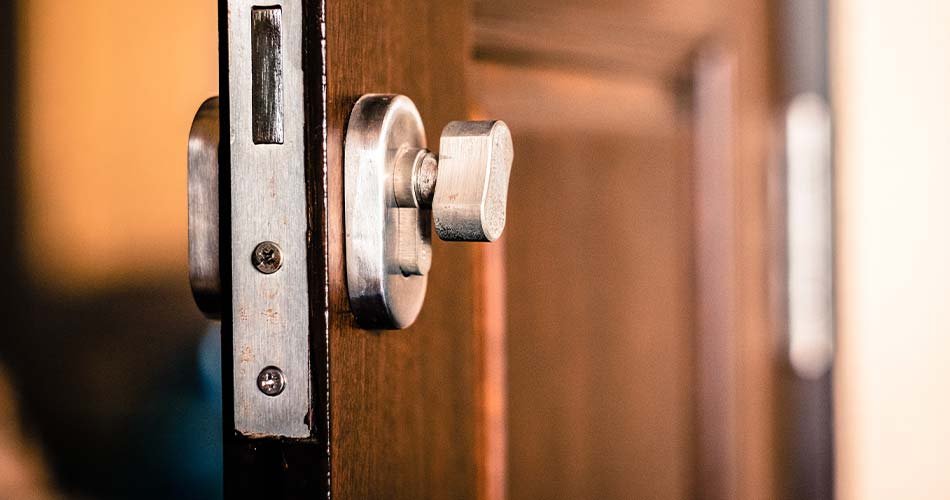
Choosing the Right Locks and Hardware
Upgrading your locks is a key part of how to secure doors after break in incidents. Not all locks offer the same level of protection. Here are some factors to consider:
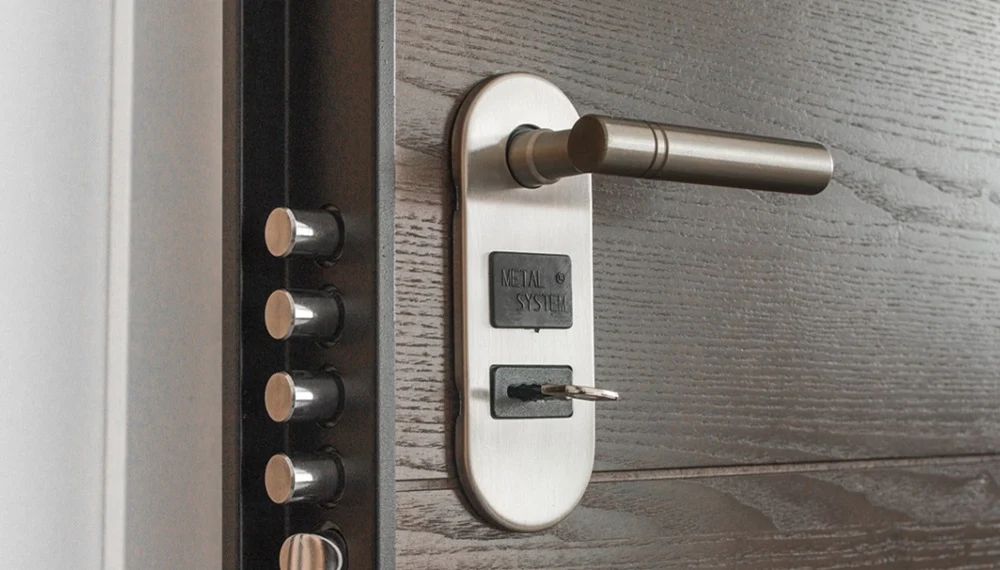
- Deadbolts: Choose a Grade 1 or Grade 2 deadbolt for maximum strength. For shared homes, you may want to explore options like the best deadbolt for shared houses to balance security and convenience.
- Strike plates: Reinforced strike plates with extra-long screws make it harder for intruders to kick in the door.
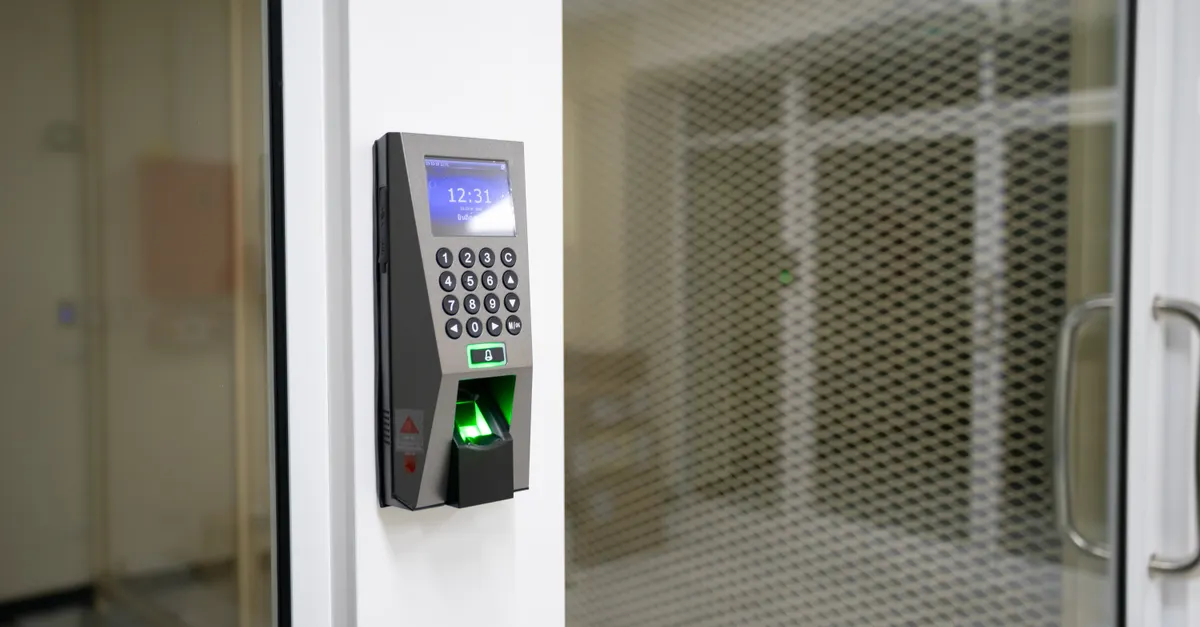
- Smart locks: Consider electronic or smart locks for added control, but ensure they have strong physical components as well.
- Door viewers and peepholes: Install wide-angle viewers to identify visitors without opening the door.
For more information on lock types and their impact on home security, check out this guide to locks that increase home security.
Professional Help vs. DIY Repairs
Some repairs can be handled on your own, especially if you have basic tools and experience. However, certain situations call for a professional locksmith or contractor:
- Severe frame or structural damage
- Complex lock installations, such as mortise or multipoint systems
- Concerns about the overall integrity of the door or hardware
When hiring help, make sure to research how to choose a trustworthy locksmith to avoid scams and ensure quality workmanship.

Additional Steps to Prevent Future Incidents
After restoring your doors, consider these extra measures to further reduce the risk of another break-in:
- Install security cameras: Visible cameras can deter would-be intruders and provide evidence if another incident occurs.
- Upgrade outdoor lighting: Motion-activated lights around entryways make it harder for someone to approach unnoticed.
- Maintain landscaping: Trim shrubs and trees near doors and windows to eliminate hiding spots.
- Reinforce glass panels: Use security film or replace with laminated glass to prevent easy breakage.
- Check door alignment: A misaligned door can weaken your lock’s effectiveness. Learn more about door alignment and deadbolt performance to ensure your upgrades work as intended.
Common Mistakes to Avoid When Securing Doors
Even with the best intentions, homeowners sometimes overlook important details. Avoid these pitfalls:
- Using short screws in hinges and strike plates, which can be easily forced out
- Ignoring secondary doors, such as those leading to garages or basements
- Failing to replace all compromised hardware after a break-in
- Neglecting to test new locks and security devices after installation
Taking a comprehensive approach ensures your efforts are effective and long-lasting.
Frequently Asked Questions
What should I do first if my door is damaged during a break-in?
Secure the area and make sure everyone is safe. If the door cannot be locked, use a temporary barrier. Document the damage for insurance and contact a professional if the structure is compromised.
How can I make my door more resistant to forced entry?
Install a high-quality deadbolt, reinforce the strike plate and hinges with long screws, and consider adding a security bar or door brace. Upgrading to a solid-core or metal door also increases resistance.
Is it better to repair or replace a damaged door?
If the door or frame has significant structural damage, replacement is usually safer and more effective. Minor damage can sometimes be repaired, but always prioritize long-term security over short-term fixes.
Should I change all my locks after a break-in?
Yes, it’s wise to replace all locks that may have been tampered with or compromised. This ensures that lost or stolen keys cannot be used for unauthorized entry.
Can I install new locks myself, or should I hire a locksmith?
Simple lock replacements can often be done as a DIY project, but for complex systems or if you’re unsure about proper installation, hiring a professional locksmith is recommended for optimal security.