Owning a vacation property offers relaxation and a welcome escape, but it also comes with the responsibility of keeping your investment secure—especially when you’re not there for weeks or months at a time. Deadbolt security for vacation homes is one of the most effective and practical ways to deter break-ins and protect your property year-round. With the right approach, you can minimize risks and enjoy peace of mind, knowing your getaway is well-protected whether it’s peak season or the off months.
In this article, we’ll explore the essentials of choosing and maintaining deadbolts for second homes, highlight key installation tips, and discuss how to integrate deadbolts with other security measures for comprehensive protection. If you’re considering a security upgrade, understanding the strengths of deadbolts and how to use them effectively is a smart place to start.
Before diving into the details, it’s important to recognize that not all deadbolts or installation methods are created equal. For those managing multiple properties or shared spaces, you might also find value in learning about the best deadbolt for shared houses, which covers additional considerations for communal or frequently accessed homes.
Why Deadbolts Are Essential for Second Home Security
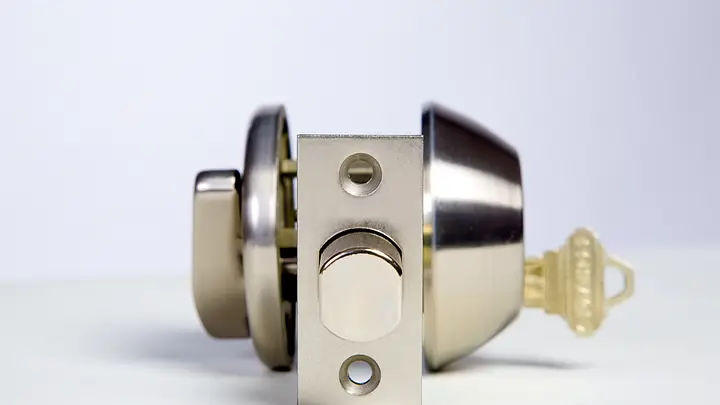
When your vacation property is left unattended, it becomes a potential target for opportunistic intruders. Standard door locks are often insufficient, as they can be easily bypassed with basic tools or force. In contrast, a deadbolt lock provides a much higher level of resistance to forced entry. The solid metal bolt extends deep into the door frame, making it far more difficult to kick in or pry open than a spring latch alone.
There are several types of deadbolts, each offering unique benefits. Single-cylinder deadbolts are the most common, requiring a key on the outside and a thumb turn on the inside. Double-cylinder models require a key on both sides, which can be useful for doors with glass panels but may pose a safety risk in emergencies. For a comprehensive overview of deadbolt types and their advantages, refer to this guide to different types of deadbolts.
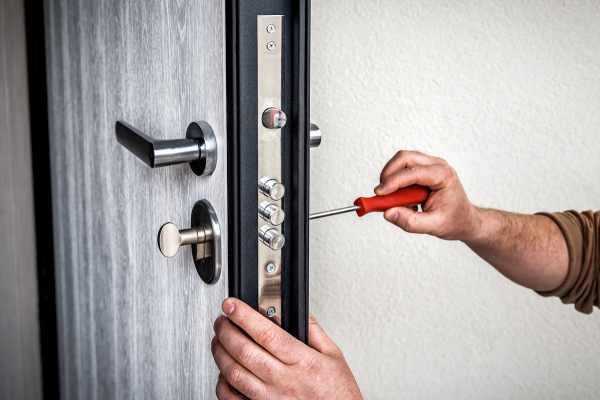
Choosing the Right Deadbolt for Your Vacation Property
Selecting the most suitable deadbolt is crucial for maximizing security. Here are some key factors to consider:
- Material and Build Quality: Look for deadbolts made from hardened steel or brass, as these materials resist cutting and sawing.
- ANSI/BHMA Grading: Deadbolts are graded based on their strength and durability. Grade 1 deadbolts offer the highest level of security and are recommended for exterior doors.
- Key Control: Consider high-security locks with restricted keyways to prevent unauthorized duplication of keys.
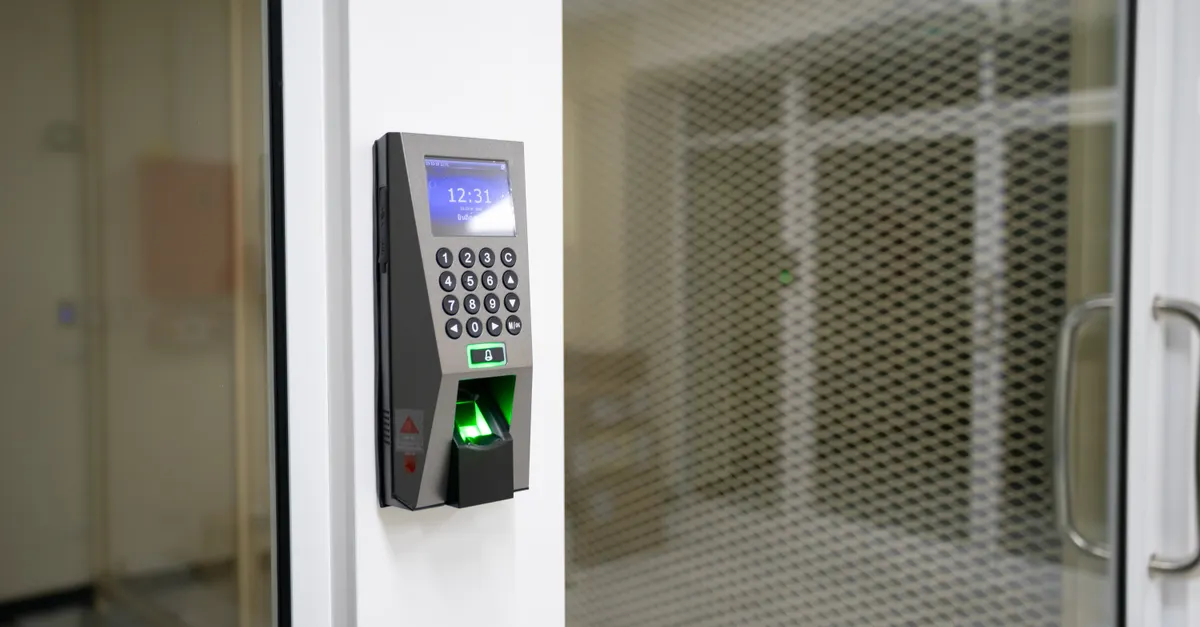
- Smart Features: For remote management, smart deadbolts with Wi-Fi or Bluetooth connectivity allow you to monitor and control access from anywhere. This is especially useful for vacation homes that may be rented out or shared with family and friends.
- Weather Resistance: If your property is in a coastal or humid area, choose deadbolts designed to withstand corrosion and extreme weather.
For those interested in installation options, weighing the pros and cons of DIY vs professional deadbolt installation can help you decide the best approach for your needs and skill level.
Installation Tips for Maximum Protection
Even the best deadbolt won’t provide optimal security if it’s not installed correctly. Here are some practical tips to ensure your lock performs as intended:
- Use a Reinforced Strike Plate: Upgrade to a heavy-duty strike plate with long screws (at least 3 inches) that anchor deep into the wall stud, not just the door frame.
- Check Door Alignment: Misaligned doors can prevent the deadbolt from fully extending, reducing its effectiveness. Regularly inspect and adjust your doors for proper fit. For more on this, see the importance of door alignment and deadbolt performance.
- Install at the Correct Height: Deadbolts should be installed at least 6–12 inches above or below the doorknob for added strength and to avoid weak points in the door.
- Secure All Entry Points: Don’t forget side doors, garage entries, and sliding doors. Each should have its own high-quality deadbolt or equivalent security device.
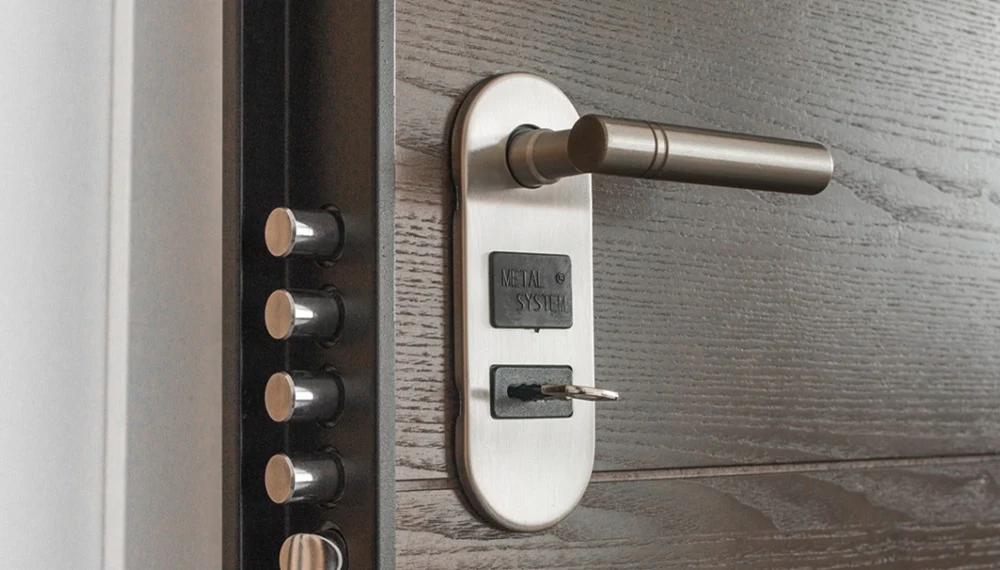
Integrating Deadbolts with Other Security Measures
While deadbolt security for vacation homes forms the backbone of physical protection, combining it with other layers of security creates a more robust defense. Consider these additional steps:
- Alarm Systems: Modern alarm systems can alert you and authorities to unauthorized entry, even if someone attempts to bypass the lock.
- Surveillance Cameras: Visible cameras act as a deterrent and provide valuable evidence in case of an incident.
- Outdoor Lighting: Motion-activated lights around entryways and driveways reduce hiding spots for would-be intruders.
- Smart Home Integration: Many smart deadbolts can be linked with home automation systems, allowing you to monitor lock status, receive alerts, and grant temporary access remotely.
- Neighborhood Watch: If your vacation home is in a community, coordinate with neighbors to keep an eye on each other’s properties and report suspicious activity.
For older residents or those with mobility concerns, you may also want to explore deadbolt security for seniors to find solutions that balance safety and accessibility.
Maintaining Your Deadbolt System Year-Round
Routine maintenance ensures your locks remain functional and effective, especially in climates with extreme temperatures or humidity. Here’s how to keep your deadbolts in top condition:
- Regular Inspections: Check for signs of rust, corrosion, or wear on both the lock and strike plate.
- Lubrication: Use a graphite or silicone-based lubricant (not oil) to keep the locking mechanism smooth and prevent sticking.
- Test Keys and Smart Features: Periodically test all keys and, if using smart locks, update firmware and change access codes as needed.
- Seasonal Checks: Inspect after storms, freezing weather, or long periods of vacancy to ensure everything is secure and operational.
Proactive care not only extends the life of your locks but also helps you spot potential vulnerabilities before they become problems.
Frequently Asked Questions
What type of deadbolt is best for a vacation property?
Grade 1 deadbolts made from hardened steel or brass are generally the most secure choice for exterior doors. For properties that are rented out or accessed by multiple people, consider smart deadbolts with remote access and key control features.
How can I make sure my deadbolt is installed correctly?
Proper installation involves using a reinforced strike plate, long screws, and ensuring the deadbolt fully extends into the door frame. If you’re unsure, hiring a professional locksmith can provide peace of mind and guarantee optimal performance.
Are smart deadbolts a good option for remote properties?
Yes, smart deadbolts allow you to monitor and manage access remotely, which is ideal for vacation homes that may be vacant for long periods or rented to guests. Just be sure to choose a model with strong encryption and regularly update passwords and firmware for maximum security.
Conclusion
Securing your vacation home doesn’t have to be complicated. By investing in high-quality deadbolts, installing them properly, and integrating them with other security measures, you can protect your property from unwanted intrusions and enjoy your time away without worry. Regular maintenance and thoughtful upgrades ensure your locks remain effective year after year, making deadbolts a reliable foundation for any second home security plan.