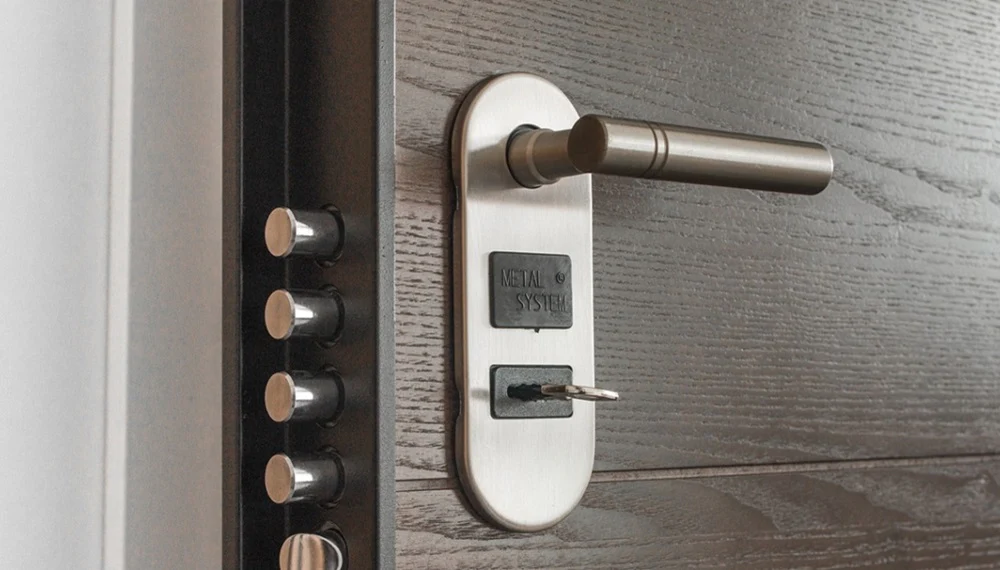
Choosing the right deadbolt is essential for home security, but one detail often overlooked is whether your door meets the door thickness requirements for deadbolts. Not all doors are created equal, and installing a deadbolt on a door that’s too thin or too thick can compromise both safety and function. Understanding the minimum and maximum thicknesses supported by most deadbolts, as well as how to measure your door correctly, is crucial for a secure installation.
Before you purchase or install a new lock, it’s important to know the specific requirements for your hardware and your door. This guide will walk you through the standard measurements, why they matter, and what to do if your door falls outside the typical range. For those living in shared spaces, you might also want to explore the best deadbolt for shared houses to ensure everyone’s safety and convenience.
Understanding Standard Door Thickness and Deadbolt Compatibility
Most residential exterior doors in the United States are between 1-3/8 inches and 1-3/4 inches thick. This range covers the vast majority of modern entry doors, and most deadbolt manufacturers design their products to fit within these limits. However, older homes, custom doors, or certain interior doors may fall outside this standard, which can affect your hardware choices.
Deadbolts are engineered to fit snugly and securely within a specific thickness range. If your door is too thin, the lock may not anchor properly, making it easier to force open. Conversely, if the door is too thick, the deadbolt may not extend fully, or the hardware may not fit at all.
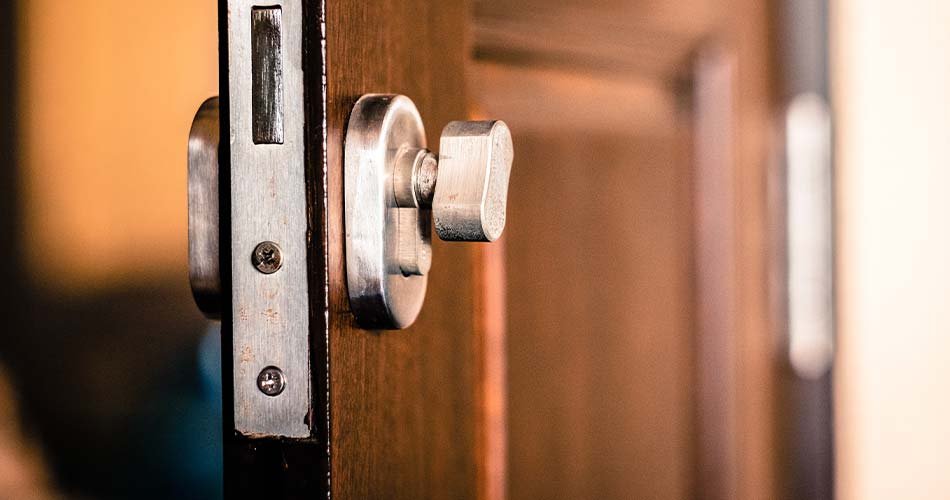
Minimum and Maximum Door Thickness for Deadbolts
When evaluating door thickness requirements for deadbolts, always check the manufacturer’s specifications. Most standard deadbolts are designed for doors that are:
- Minimum thickness: 1-3/8 inches (about 35mm)
- Maximum thickness: 1-3/4 inches (about 44mm)
Some heavy-duty or commercial deadbolts can accommodate doors up to 2-1/4 inches thick, but these are less common in residential settings. If your door is thinner than 1-3/8 inches, you may need to reinforce it or use specialty hardware. For thicker doors, extension kits are sometimes available from the lock manufacturer.
Always verify the supported thickness range before purchasing a deadbolt. Installing a lock outside its recommended range can void warranties and reduce security.
How to Measure Your Door’s Thickness
Accurate measurement is the foundation of a secure deadbolt installation. Here’s how to check your door’s thickness:
- Open the door so you can access the edge.
- Use a tape measure or ruler to measure the distance from the interior face to the exterior face, across the edge of the door.
- Record the measurement in inches and millimeters for reference.
Be sure to measure at several points, especially if your door is old or has been painted multiple times, as thickness can vary slightly. If you’re unsure about your measurements or how to proceed, consider reading about how to measure for a deadbolt to avoid common mistakes.
What to Do If Your Door Is Too Thin or Too Thick
If your door doesn’t meet the standard thickness, don’t worry—there are solutions:
- For thin doors: Look for specialty deadbolts designed for thinner doors, or use a reinforcing plate to add thickness and strength.
- For thick doors: Some manufacturers offer extension kits or longer screws and tailpieces to accommodate thicker doors. Always use parts recommended by the lock manufacturer to ensure security.
Never attempt to force a standard deadbolt onto a door that doesn’t fit the required thickness. This can damage both the lock and the door, and it may leave your home vulnerable.
Other Factors That Affect Deadbolt Installation
While door thickness requirements for deadbolts are critical, other factors also play a role in a secure installation:
- Bore hole size: Most deadbolts require a 2-1/8 inch diameter hole. If your door has a smaller or larger hole, you may need to adjust or use an adapter.
- Backset: This is the distance from the edge of the door to the center of the bore hole, typically 2-3/8 inches or 2-3/4 inches. Most deadbolts are adjustable, but always check compatibility.
- Material: Solid wood or metal doors are ideal for deadbolts. Hollow-core doors are not recommended for exterior use, even if they meet the thickness requirement.
Proper alignment is also vital. If your door or frame is warped, the deadbolt may not engage fully. For more on this, see the article on door alignment and deadbolt performance.

Why Proper Door Thickness Matters for Security
Deadbolts are only as effective as the doors they protect. If a lock is installed on a door that is too thin or too thick, it may not provide the intended level of security. A properly fitted deadbolt resists forced entry and tampering, while a poorly fitted one can be a weak point in your home’s defenses.
According to experts, upgrading your locks and ensuring they are installed on doors of the correct thickness is one of the best ways to increase home security. When in doubt, consult a professional locksmith or refer to manufacturer guidelines for your specific lock model.
Tips for Choosing the Right Deadbolt for Your Door
When shopping for a new deadbolt, keep these tips in mind to ensure compatibility and security:
- Always check the supported door thickness range on the packaging or product description.
- Measure your door before buying any hardware.
- Consider the material and condition of your door, not just its thickness.
- If you’re installing a deadbolt yourself, review guides comparing DIY vs professional deadbolt installation to decide what’s best for your situation.
- For unique doors, contact the lock manufacturer for extension kits or custom solutions.
Common Mistakes to Avoid
Even experienced DIYers can make errors when it comes to door thickness requirements for deadbolts. Here are some pitfalls to watch out for:
- Assuming all doors are the same thickness—always measure before buying.
- Forcing hardware onto a door that doesn’t fit the required thickness.
- Ignoring alignment and bore hole size, which can affect lock performance.
- Overlooking the importance of using manufacturer-approved extension kits for thick doors.
FAQ: Door Thickness and Deadbolt Installation
What is the standard door thickness for most deadbolts?
The majority of residential deadbolts are designed for doors between 1-3/8 inches and 1-3/4 inches thick. Always check your door’s measurement and the lock’s specifications before purchasing.
Can I install a deadbolt on a door that is thinner or thicker than average?
Yes, but you may need specialty hardware. For thin doors, look for locks designed for that purpose or use reinforcement plates. For thick doors, some manufacturers offer extension kits. Never install a standard deadbolt outside its recommended thickness range without proper adaptations.
How do I know if my door is suitable for a deadbolt?
Measure your door’s thickness, check the material (solid wood or metal is best), and ensure the bore hole and backset match your chosen deadbolt’s requirements. If in doubt, consult a locksmith or refer to a guide on how to measure for a deadbolt.
Do all deadbolts fit all doors?
No, deadbolts are made to fit specific thickness ranges and bore hole sizes. Always verify compatibility before installation to ensure both security and function.
Ensuring your door meets the right thickness requirements is a simple but crucial step in securing your home. With the right measurements and the proper hardware, your deadbolt will provide reliable protection for years to come.