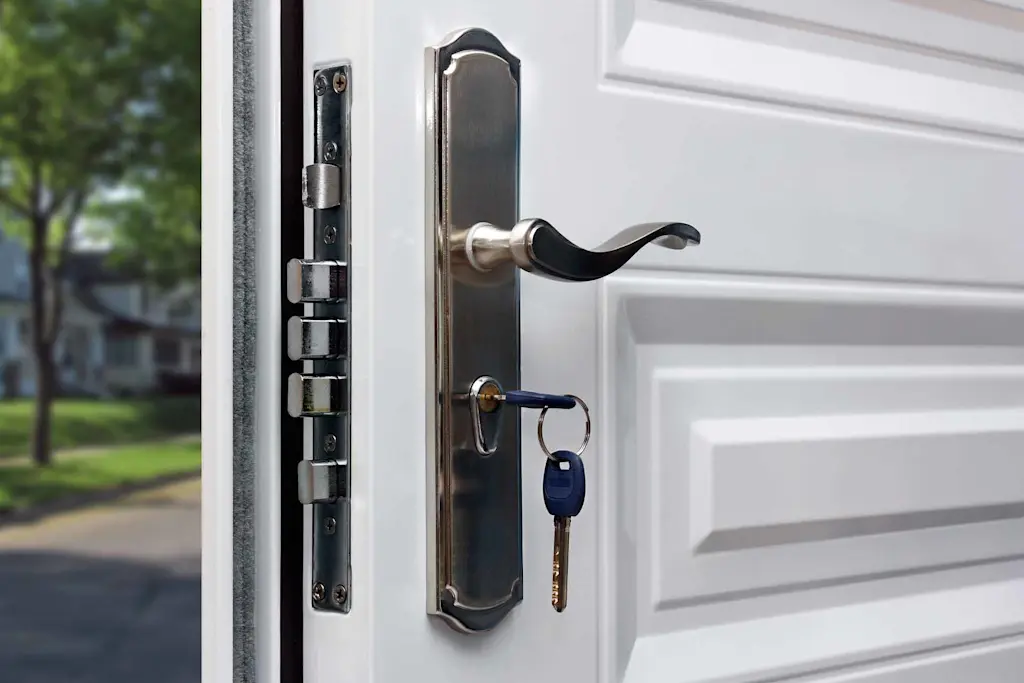
Proper deadbolt lock strike plate installation is one of the most effective ways to boost your home’s security. The strike plate is the metal piece attached to the door frame that receives the deadbolt. If it isn’t installed correctly, even the best deadbolt can be compromised by force or wear. Many homeowners overlook this crucial detail, but taking the time to get it right means your lock will perform as intended for years to come.
This guide walks you through the process, explains why it matters, and highlights common mistakes to avoid. Whether you’re upgrading your current lock or installing a new one, following these steps will help ensure your door is as secure as possible. If you’re considering different lock options for shared living spaces, you might also find our guide on the best deadbolt for shared houses helpful.
Why Strike Plate Installation Matters for Security
The strike plate is more than just a finishing touch. It reinforces the door frame and distributes the force when the deadbolt is engaged. A poorly installed or flimsy plate can make it easier for intruders to kick in the door, even if you have a high-quality lock. That’s why deadbolt lock strike plate installation is a critical step in any home security upgrade.
Many modern strike plates are designed to work with longer screws and heavier gauge metal, which anchor deeper into the wall studs. This added strength makes forced entry much more difficult. If you’re unsure about the right hardware or want to compare lock types, consider reading about DIY vs professional deadbolt installation for more insights.
Tools and Materials Needed for a Secure Fit
- Strike plate (included with most deadbolts)
- Deadbolt lock set
- Power drill and drill bits
- Phillips screwdriver
- Chisel and hammer
- Measuring tape and pencil
- Long wood screws (at least 2.5–3 inches)
- Safety glasses
Before starting, double-check that your strike plate matches your deadbolt and door frame. If you’re replacing an old plate, ensure the new one covers the existing mortise and aligns with the bolt hole.
Step-by-Step Guide to Installing a Deadbolt Strike Plate
1. Mark the Strike Plate Position
With the door closed, extend the deadbolt and mark the spot on the frame where the bolt hits. Use a pencil to outline the strike plate’s position, ensuring it aligns perfectly with the bolt hole. Accurate marking is essential for smooth operation and maximum security.
2. Prepare the Mortise
Use a chisel to deepen or widen the mortise (the recessed area in the frame) if needed. The plate should sit flush with the frame. Test-fit the plate to make sure it doesn’t stick out, as this can prevent the door from closing properly.
3. Drill Pilot Holes for Screws
Once the plate fits snugly, mark the screw holes. Drill pilot holes to prevent the wood from splitting, especially if you’re using longer screws for added strength. Long screws will anchor the plate into the wall stud, not just the door jamb.
4. Attach the Strike Plate
Secure the plate with the provided screws or, preferably, with 2.5–3 inch wood screws. Tighten the screws until the plate is firmly in place, but avoid overtightening, which can strip the holes or warp the plate.
5. Test the Deadbolt
Close the door and operate the deadbolt several times. The bolt should slide smoothly into the strike plate without resistance. If it sticks, adjust the plate or mortise as needed. Proper alignment ensures both security and ease of use.
Common Mistakes to Avoid When Installing Strike Plates
- Using short screws: Short screws only anchor the plate to the thin door jamb, not the stud. Always use long screws for better security.
- Poor alignment: If the plate doesn’t line up with the bolt, the lock won’t function smoothly and may wear out faster.
- Skipping the mortise: Not recessing the plate flush with the frame can prevent the door from closing or locking properly.
- Overtightening screws: This can strip the wood or bend the plate, reducing its effectiveness.
Taking the time to avoid these issues will help your lock perform reliably and provide the security you expect.
Choosing the Right Strike Plate for Your Door
Not all strike plates are created equal. Some are designed for standard residential doors, while others are reinforced for higher security. Look for heavy-duty plates made of thick steel and designed to work with long screws. If you’re upgrading from a basic model, you may need to adjust the mortise or drill new holes.
For those unsure about sizing, our resource on how to measure for a deadbolt can help you avoid common mistakes when selecting hardware.
When to Call a Professional Locksmith
While many homeowners can handle deadbolt lock strike plate installation with basic tools, there are times when professional help is the best choice. If your door frame is damaged, misaligned, or made of metal, or if you’re installing a high-security system, a locksmith can ensure everything is fitted correctly. For advice on finding a reliable expert, see our tips on how to choose a trustworthy locksmith.
Professional installation also comes with the benefit of warranty protection and peace of mind, especially if you’re upgrading all your home’s locks.
Additional Tips for Long-Lasting Security
- Check the strike plate and screws periodically for signs of wear or loosening.
- Consider reinforcing the door jamb with a security plate or additional hardware for extra protection.
- Always use the deadbolt when locking your door, not just the handle latch.
- For more on deadbolt lock types and security features, see this comprehensive deadbolt lock overview.
Frequently Asked Questions
What size screws should I use for a deadbolt strike plate?
For optimal security, use wood screws that are at least 2.5 to 3 inches long. These will anchor the strike plate into the wall stud behind the door frame, making it much harder to force open.
Can I install a new strike plate over an old mortise?
Yes, but the new plate must fit flush with the frame and align perfectly with the deadbolt. If the mortise is too large or misaligned, you may need to fill gaps with wood filler or adjust the recess with a chisel.
How do I know if my strike plate is installed correctly?
The deadbolt should slide smoothly into the strike plate without resistance, and the plate should be firmly anchored with long screws. There should be no movement or rattling when the door is closed and locked.
Is it worth upgrading to a reinforced strike plate?
Absolutely. Reinforced plates made of heavy-duty steel and installed with long screws provide significantly better protection against forced entry than standard models.
Should I attempt installation myself or hire a locksmith?
If you’re comfortable with basic tools and careful measurements, DIY installation is possible. For complex doors, damaged frames, or high-security needs, a professional locksmith is recommended for best results.