Home security is evolving rapidly, and one of the most noticeable areas of innovation is in the world of deadbolt lock trends. As technology advances and homeowners seek greater peace of mind, the traditional deadbolt is being reimagined with new features, materials, and smart integrations. Understanding these changes can help you make informed decisions about protecting your home, whether you’re upgrading your current locks or planning a new installation.
Before exploring the latest developments, it’s important to recognize that not all locks are created equal. Factors such as installation quality, compatibility with your door, and the unique needs of your household all play a role in security. For example, if you live in a shared space, you might want to consider the best deadbolt for shared houses to ensure both convenience and safety for everyone.
Smart Deadbolts: The Digital Revolution in Door Security
One of the most significant shifts in deadbolt lock trends is the rise of smart locks. These devices go beyond the mechanical key and cylinder, offering features such as keyless entry, remote access, and integration with home automation systems. With a smart deadbolt, you can lock or unlock your door using a smartphone app, keypad, or even voice commands through a virtual assistant.
Some models allow you to create temporary codes for guests or service providers, track who enters and exits your home, and receive alerts if someone tries to tamper with the lock. As highlighted in this comprehensive review of top smart locks, these features are becoming standard in many modern homes.
Materials and Build Quality: Stronger, Smarter, More Secure
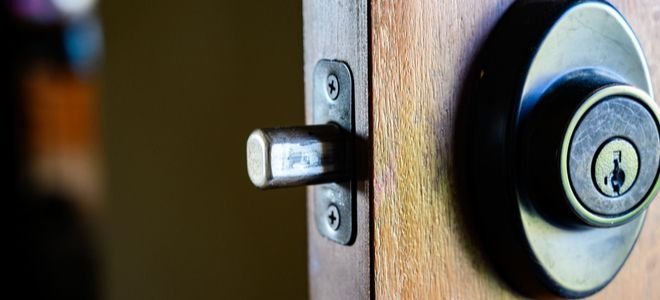
While technology is a driving force, the physical construction of deadbolts is also seeing improvements. Manufacturers are using stronger alloys, reinforced strike plates, and anti-drill or anti-pick features to make locks more resistant to forced entry. These enhancements are crucial, especially as burglars become more sophisticated in their methods.
For those interested in maximizing the effectiveness of their locks, ensuring proper door alignment and deadbolt performance is just as important as choosing a high-quality lock. Even the most advanced deadbolt can be compromised if the door or frame is misaligned.
Keyless Entry and Access Control: Convenience Meets Security
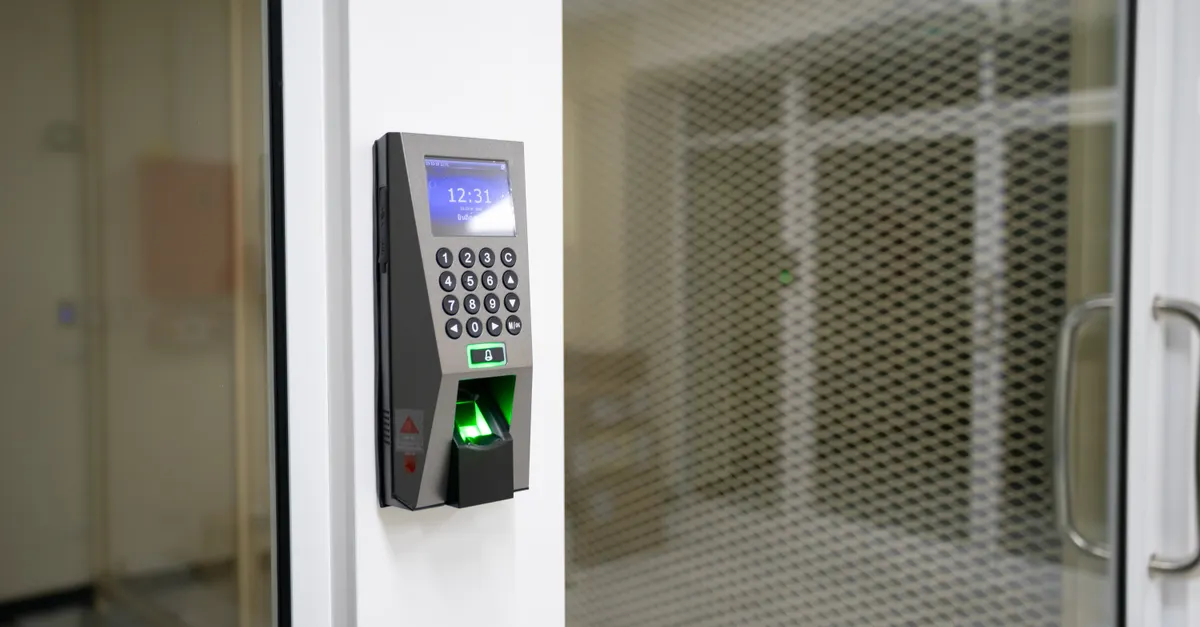
Another major trend is the move toward keyless entry systems. These solutions eliminate the need for physical keys, reducing the risk of lost or copied keys. Keypads, fingerprint scanners, and even facial recognition are being integrated into residential deadbolts, offering both convenience and enhanced security.
Access control is especially valuable for families, landlords, or anyone who needs to grant and revoke access frequently. Temporary codes or biometric access can be set up for guests, cleaners, or maintenance workers, and then easily deactivated when no longer needed.
Integration with Smart Home Ecosystems
Modern deadbolts are increasingly designed to work seamlessly with other smart home devices. Integration with security cameras, alarm systems, and lighting allows for automated routines—such as locking the door and turning off lights when you leave, or unlocking the door and disarming the alarm when you arrive.
This level of connectivity not only adds convenience but also creates a layered approach to home security. If you’re considering a smart lock, look for compatibility with your existing devices and platforms, such as Apple HomeKit, Google Home, or Amazon Alexa.
Security for All Ages and Abilities
Accessibility is another area where deadbolt innovation is making a difference. Newer locks are being designed with seniors and people with disabilities in mind. Features like large, illuminated keypads, easy-grip handles, and voice control make it easier for everyone to secure their home.
If you or a loved one could benefit from these features, you might want to explore solutions focused on deadbolt security for seniors, which prioritize both safety and ease of use.
DIY Installation vs. Professional Help
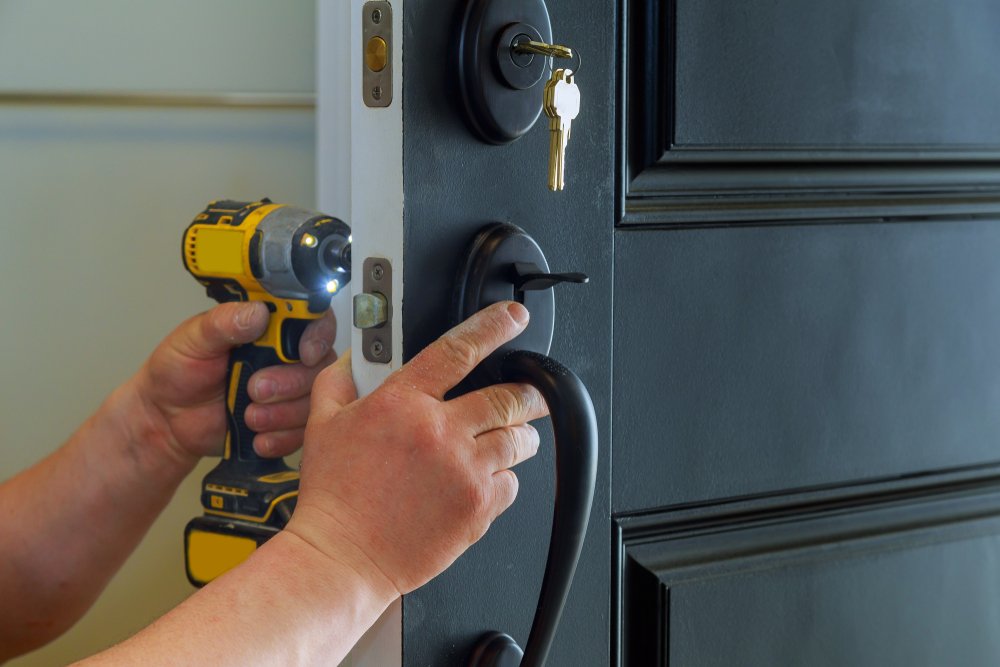
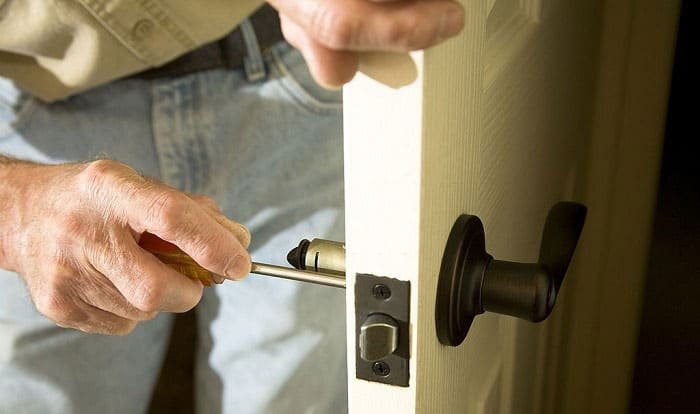
With so many options on the market, homeowners often wonder whether to install a new deadbolt themselves or hire a professional. Many smart and mechanical locks are designed for straightforward installation, but some require precise alignment or electrical work. If you’re unsure, comparing DIY vs professional deadbolt installation can help you weigh the pros and cons based on your skill level and security needs.
What to Look for When Upgrading Your Deadbolt
When considering an upgrade, keep these factors in mind:
- Security Ratings: Look for locks that meet or exceed industry standards, such as ANSI/BHMA Grade 1 or 2.
- Compatibility: Ensure the lock fits your door type and thickness.
- Smart Features: Decide which digital features are most important, such as remote access, auto-locking, or integration with other devices.
- Power Source: For electronic locks, check battery life and backup options.
- Physical Strength: Reinforced bolts, anti-drill plates, and tamper-resistant designs add extra protection.
Emerging Innovations in Deadbolt Design
The future of home security will likely bring even more advanced features. Some manufacturers are experimenting with biometric authentication, wireless charging for battery-powered locks, and advanced encryption to prevent hacking. As these technologies mature, expect to see them become more affordable and accessible for everyday homeowners.
Frequently Asked Questions
Are smart deadbolts as secure as traditional locks?
Smart deadbolts can offer equal or greater security compared to traditional locks, especially when combined with strong physical construction and up-to-date firmware. However, it’s important to choose reputable brands and follow best practices, such as using strong passwords and enabling two-factor authentication where possible.
How often should I upgrade my deadbolt?
There is no set timeline, but consider upgrading if your current lock is more than 10 years old, shows signs of wear, or lacks modern security features. Upgrading is also recommended after a break-in or if you move into a new home.
Can I install a smart deadbolt myself?
Many smart locks are designed for DIY installation and come with detailed instructions. However, if your door requires modifications or you want to ensure optimal security, hiring a professional locksmith is a good idea. For more details, see our guide on how to choose a trustworthy locksmith.
What should I do if my smart lock battery dies?
Most smart deadbolts provide low-battery warnings and have backup options, such as a physical key or external battery terminals. It’s best to replace batteries promptly and keep a backup key accessible in case of emergencies.
Conclusion
The landscape of home security is shifting, with deadbolt lock trends reflecting a blend of technological innovation and practical design improvements. Whether you’re interested in smart features, enhanced physical security, or improved accessibility, there are more options than ever to help protect your home. By staying informed and choosing the right solution for your needs, you can enjoy greater peace of mind and convenience for years to come.