Deadbolt locks are a cornerstone of home security, providing a critical layer of protection for doors in houses, apartments, and shared living spaces. Over time, even the most robust locks can develop issues due to daily use, environmental exposure, and age. Recognizing deadbolt lock wear and tear signs early helps prevent lockouts, break-ins, and costly emergency repairs.
Many homeowners overlook subtle changes in how their locks function or appear. However, these warning signals often indicate underlying problems that can compromise your safety. This article will help you spot the most common indicators of a worn-out deadbolt, understand why they matter, and know when to seek professional help or consider replacement.
If you’re interested in maximizing security for shared living environments, you might want to read about the best deadbolt for shared houses to ensure everyone’s safety and peace of mind.
Why Recognizing Lock Deterioration Matters
Ignoring the early signs of deadbolt lock deterioration can have serious consequences. A compromised lock is more vulnerable to forced entry, can fail unexpectedly, and may even leave you locked out at inconvenient times. Addressing these issues promptly keeps your property secure and saves money in the long run by avoiding emergency locksmith visits or property damage.
Routine inspection and maintenance of your locks is a simple yet effective way to extend their lifespan and maintain optimal performance. Let’s review the most common symptoms that indicate your deadbolt may need attention.
Common Deadbolt Lock Wear and Tear Signs
Several physical and functional changes can signal that your deadbolt is past its prime. Here are the most important indicators to watch for:
Difficulty Turning the Key
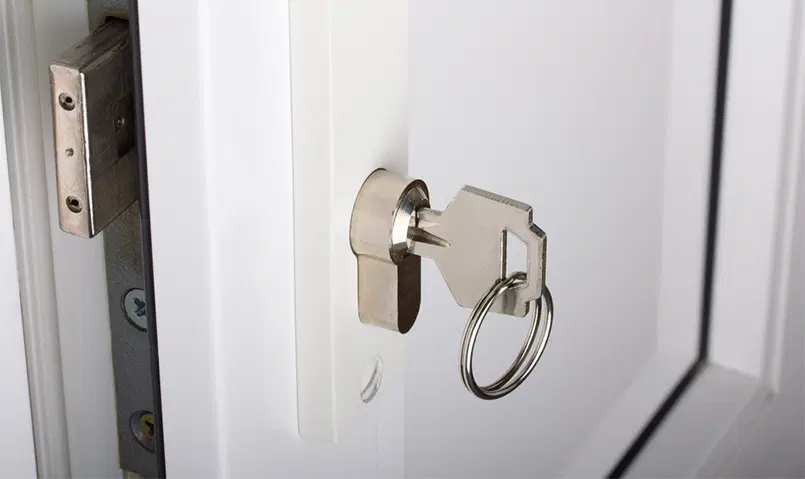
If you notice increased resistance when turning your key, or if the key gets stuck, this is often one of the first deadbolt lock wear and tear signs. Causes may include internal mechanism wear, dirt buildup, or misalignment. Forcing the key can break it off inside the lock, leading to a more complicated repair.
Loose or Wobbly Lock Cylinder
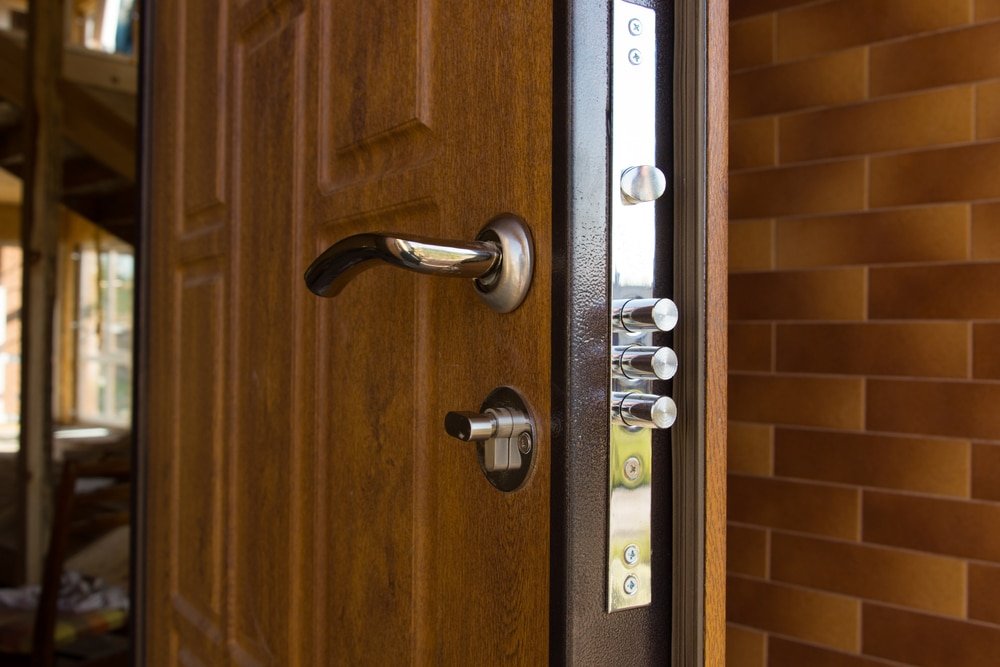
A deadbolt that feels loose or shifts when you insert the key may have worn screws, a damaged mounting plate, or internal component failure. This can make the lock easier to tamper with or force open. Tightening screws may help temporarily, but persistent looseness often means it’s time for a replacement.
Visible Rust or Corrosion
Exposure to moisture, humidity, and temperature changes can cause metal parts to rust or corrode. Deadbolt lock wear and tear signs like discoloration, flaking, or pitting on the lock’s surface are not just cosmetic—they can weaken the lock’s structure and affect its operation. Rust inside the mechanism can cause jamming or sticking.
Misaligned Deadbolt or Strike Plate
If the bolt doesn’t slide smoothly into the strike plate or you have to lift or push the door to lock it, misalignment is likely. This can result from house settling, door warping, or repeated force on the lock. Misalignment increases stress on the lock and can hasten its failure.
Unusual Noises or Grinding
Grinding, squeaking, or clicking sounds when locking or unlocking are classic deadbolt lock wear and tear signs. These noises often indicate internal wear, lack of lubrication, or broken components. Persistent sounds should not be ignored, as they usually precede more serious malfunctions.
Key Won’t Insert or Remove Smoothly
Difficulty inserting or removing the key can be caused by worn pins, debris inside the cylinder, or a bent key. If the problem persists after trying a spare key, the lock itself may be at fault. This is a clear sign that the internal mechanism is no longer functioning as it should.
Lock Feels “Sticky” or Jammed
When a deadbolt feels sticky, jams, or only works after several attempts, it’s a strong indicator of internal wear or damage. Lubrication may provide a temporary fix, but recurring issues suggest it’s time to consider repair or replacement.
When to Repair vs. Replace Your Deadbolt
Not all deadbolt lock wear and tear signs require immediate replacement. Minor issues like dirt buildup or slight misalignment can often be resolved with cleaning, lubrication, or hardware adjustment. However, if you notice multiple symptoms, visible damage, or ongoing problems after basic maintenance, replacement is usually the safest option.
Upgrading to a new deadbolt can also provide enhanced security features, such as anti-drill plates, reinforced bolts, or smart lock integration. If you’re unsure whether to repair or replace, consulting a professional locksmith is the best way to assess your specific situation.
For those considering a new installation, weighing the pros and cons of DIY vs professional deadbolt installation can help you make an informed decision that fits your budget and security needs.
How to Prevent Premature Lock Failure
Regular maintenance and a few simple habits can significantly extend the life of your deadbolt:
- Clean the lock and keyhole periodically to remove dust and debris.
- Lubricate the internal mechanism with a graphite-based or silicone spray every 6–12 months.
- Check and tighten mounting screws to prevent loosening.
- Ensure the door and frame remain properly aligned to avoid stress on the bolt.
- Replace keys that are bent or excessively worn.
By staying proactive, you can avoid many common causes of lock failure and keep your entry points secure year-round.
Professional Help and Security Upgrades
If you encounter persistent deadbolt lock wear and tear signs or suspect your lock is compromised, don’t hesitate to contact a reputable locksmith. A professional can diagnose the issue, recommend repairs, and advise on the latest security upgrades. For guidance on finding a trustworthy service provider, see these tips on how to choose a trustworthy locksmith.
For more in-depth information about deadbolt security, you can also explore this comprehensive guide to deadbolt locks and home security from a leading lock manufacturer.
Frequently Asked Questions
How often should I inspect my deadbolt for signs of wear?
It’s a good idea to check your deadbolt every few months, especially if it’s exposed to the elements or sees heavy use. Look for changes in how the lock operates, visible rust, or loose components. Early detection helps prevent bigger problems down the line.
Can I fix a sticky deadbolt myself, or do I need a locksmith?
Minor stickiness can often be resolved by cleaning and lubricating the lock. However, if the issue persists or is accompanied by other symptoms like grinding noises or difficulty turning the key, it’s best to consult a professional. DIY fixes are fine for basic maintenance, but complex issues require expert attention.
What should I do if my key breaks off in the deadbolt?
If your key snaps inside the lock, avoid trying to extract it with sharp objects, as this can cause further damage. Instead, call a locksmith who has the right tools and experience to remove the broken key safely and assess whether the lock needs repair or replacement.
Conclusion
Staying alert to deadbolt lock wear and tear signs is essential for maintaining the security and reliability of your doors. By addressing problems early and following basic maintenance practices, you can ensure your locks continue to protect your home effectively. Don’t hesitate to seek professional advice if you’re unsure about the condition of your deadbolt or if you encounter persistent issues.