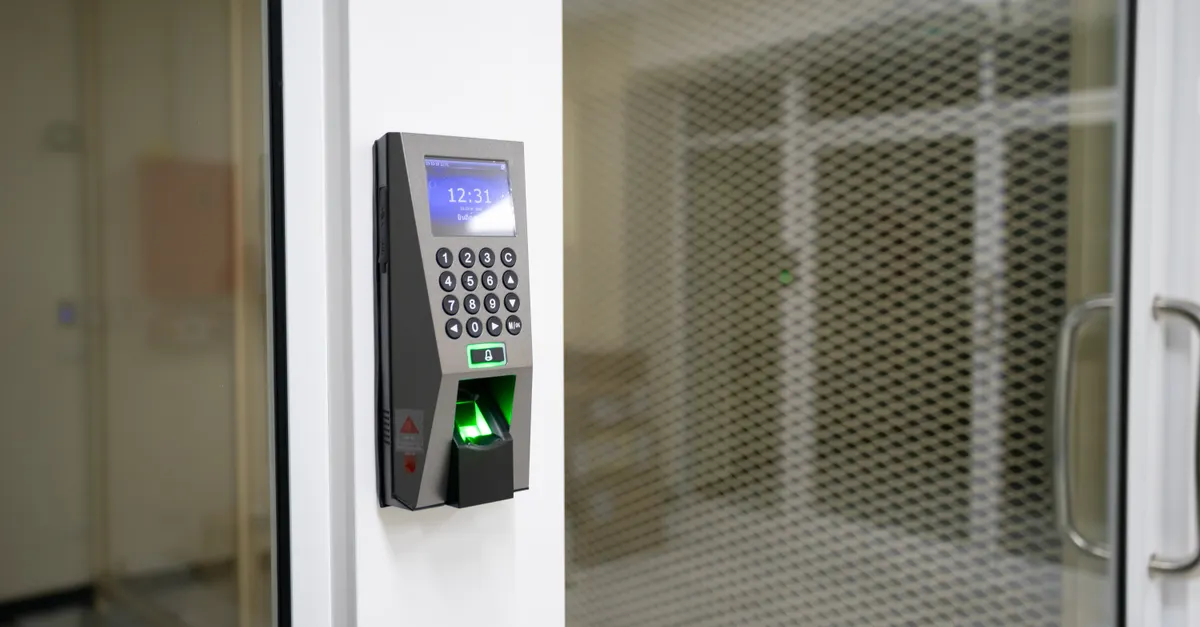
Smart deadbolts are becoming a common feature in modern homes, offering convenience and enhanced security through app controls, remote access, and integration with smart home systems. However, as with any connected device, these locks introduce new privacy concerns that homeowners should not ignore. Understanding what information is collected, how it is used, and what risks are involved is essential for making informed decisions about securing your home with smart technology.
Before diving into the details of data collection, it’s important to recognize that not all smart locks are created equal. Some offer robust privacy protections, while others may collect more data than you expect. If you’re considering upgrading your home’s security, you might also want to explore the best deadbolt for shared houses to compare traditional and smart options.
Types of Data Collected by Smart Deadbolts
When you install a smart deadbolt, you’re not just adding a lock to your door—you’re introducing a device that may collect a range of information. The most common types of data gathered include:
- User credentials: Names, email addresses, phone numbers, and sometimes even home addresses are required to set up accounts and manage access.
- Access logs: Records of every time the lock is engaged or disengaged, including timestamps and which user or device initiated the action.
- Device information: Details about your smartphone, tablet, or hub used to control the lock, such as device model, operating system, and IP address.
- Location data: Some smart locks use geofencing or location-based features, which may collect GPS data or track your proximity to the lock.
- Integration data: If your lock is connected to other smart home devices, data about those interactions may also be logged.
Manufacturers typically collect this information to provide functionality, improve user experience, and troubleshoot issues. However, these same details can pose risks if mishandled or accessed by unauthorized parties.
How Smart Lock Data Is Used and Shared
Understanding how your data is used is just as important as knowing what is collected. Smart deadbolt manufacturers may use collected information for several purposes:
- Account management: To authenticate users, manage permissions, and provide customer support.
- Feature enhancements: Data may be analyzed to improve lock performance, add features, or fix bugs.
- Marketing: Some companies use aggregated or anonymized data for marketing or to develop new products.
- Third-party integrations: If your lock connects with voice assistants or other smart home platforms, data may be shared with those services.
- Legal compliance: In some cases, data may be disclosed to authorities if required by law.
Always review the privacy policy of your smart lock provider to see exactly how your information is handled. Some manufacturers are more transparent than others, and policies can change over time.
Potential Risks and Security Issues
While smart deadbolts offer convenience, they also introduce new vulnerabilities. The main privacy concerns associated with these devices include:
- Unauthorized access: If account credentials are weak or compromised, someone could remotely unlock your door.
- Data breaches: Like any connected device, smart locks can be targets for hackers seeking access to personal data or home entry logs.
- Surveillance risks: Detailed access logs could reveal your daily routines, when you’re home, and when you’re away.
- Third-party misuse: Data shared with integration partners or advertisers could be used in ways you didn’t anticipate.
It’s important to weigh these risks against the benefits of smart locks. For some, the convenience outweighs the potential downsides, but for others, traditional locks may still be preferable. If you’re interested in learning more about different lock types, this guide to common deadbolt types provides a helpful overview.

Managing Your Smart Deadbolt Privacy Settings
To minimize the risks associated with smart lock data collection, take the following steps:
- Review privacy policies: Before purchasing, read the manufacturer’s privacy statement to understand what data is collected and how it’s used.
- Limit permissions: Only enable features you actually need, such as remote access or geofencing, and disable unnecessary data sharing.
- Use strong credentials: Set up unique, complex passwords and enable two-factor authentication if available.
- Update firmware: Regularly check for and install firmware updates to patch security vulnerabilities.
- Monitor access logs: Periodically review who has accessed your lock and when, and remove old or unused user accounts.
Taking these precautions can help you maintain control over your personal information while still enjoying the benefits of smart home technology.
Comparing Privacy: Smart vs. Traditional Deadbolts
Traditional deadbolts have long been trusted for home security, but they don’t collect or transmit any personal data. In contrast, smart locks offer advanced features but require a level of trust in the manufacturer’s data handling practices. If privacy is your top concern, you may want to compare these options carefully. For example, you can read about DIY vs professional deadbolt installation to see how installation methods may affect your security and privacy.
Ultimately, your choice will depend on your comfort level with technology, your need for convenience, and your willingness to accept potential risks in exchange for smart features.
Smart Deadbolt Privacy Concerns in Shared Living Situations
For those living in shared houses or apartments, privacy issues can be even more complex. Multiple users may have access to the same lock, and access logs could potentially be viewed by others. In these cases, it’s important to:
- Set clear rules about who can view access logs and manage permissions.
- Ensure that only trusted individuals have administrative access to the lock’s settings.
- Regularly update user lists to remove former roommates or guests.
For more on this topic, consider reading about deadbolt security for seniors, which covers privacy and accessibility for vulnerable groups.
Frequently Asked Questions
What personal information do smart deadbolts typically collect?
Most smart locks gather user credentials (such as names and email addresses), access logs, device information, and sometimes location data. The exact details vary by manufacturer and model.
Can smart lock data be accessed by hackers?
Yes, like any connected device, smart deadbolts can be vulnerable to hacking if not properly secured. Using strong passwords, enabling two-factor authentication, and keeping firmware updated are important steps to reduce this risk.
How can I protect my privacy when using a smart deadbolt?
Review the manufacturer’s privacy policy, limit unnecessary data sharing, use strong credentials, and regularly monitor access logs. Disabling features you don’t need can also help minimize data collection.
Is a traditional deadbolt more private than a smart lock?
Yes, traditional locks do not collect or transmit any personal information, making them inherently more private. However, they lack the convenience and features of smart locks.
Conclusion
Smart deadbolts offer a blend of convenience and security, but they also introduce important privacy concerns that every homeowner should consider. By understanding what data is collected, how it’s used, and what steps you can take to protect yourself, you can make an informed decision about whether a smart lock is right for your home. Always stay informed, review privacy settings regularly, and choose products from reputable manufacturers to ensure your home remains both secure and private.