Moving into a new home is an exciting milestone, but it also comes with important responsibilities—especially when it comes to safety. One of the first things every homeowner should prioritize is making sure the property is protected from unauthorized access. The most effective way to begin is by addressing the locks throughout your house. This guide will walk you through practical steps and expert tips for how to secure a newly purchased house, starting with the most critical entry points.
Changing or upgrading locks is more than a formality; it’s a crucial step in safeguarding your investment and your loved ones. Even if the previous owners seemed trustworthy, you can never be certain how many spare keys might still be in circulation. By taking a proactive approach to security, you’ll enjoy greater peace of mind from day one.
Before diving into the details, consider reviewing advice on how to choose a trustworthy locksmith if you plan to hire a professional. Selecting the right expert can make all the difference in the quality and reliability of your home’s security upgrades.
Why Changing Locks Is Essential for New Homeowners
When you take possession of a property, you inherit not only the keys but also the unknowns about who else might have access. Real estate agents, contractors, cleaners, and even neighbors could have been given spare keys at some point. For this reason, replacing or rekeying all exterior locks is a non-negotiable step in securing a new house.
- Eliminate unauthorized access: You’ll ensure only your household has working keys.
- Upgrade to modern security: Older locks may be easier to pick or bypass, making your home vulnerable.
- Peace of mind: Knowing you’re the sole keyholder is invaluable for your sense of safety.
Some homeowners consider rekeying instead of full replacement. Rekeying is a cost-effective option if the existing locks are in good condition and offer adequate protection. However, if the locks are outdated or show signs of wear, upgrading to high-security models is the best choice.
Types of Locks to Consider for Maximum Security
Not all locks offer the same level of protection. When evaluating options for how to secure a newly purchased house, focus on the main entry points: front and back doors, garage entries, and any accessible windows.
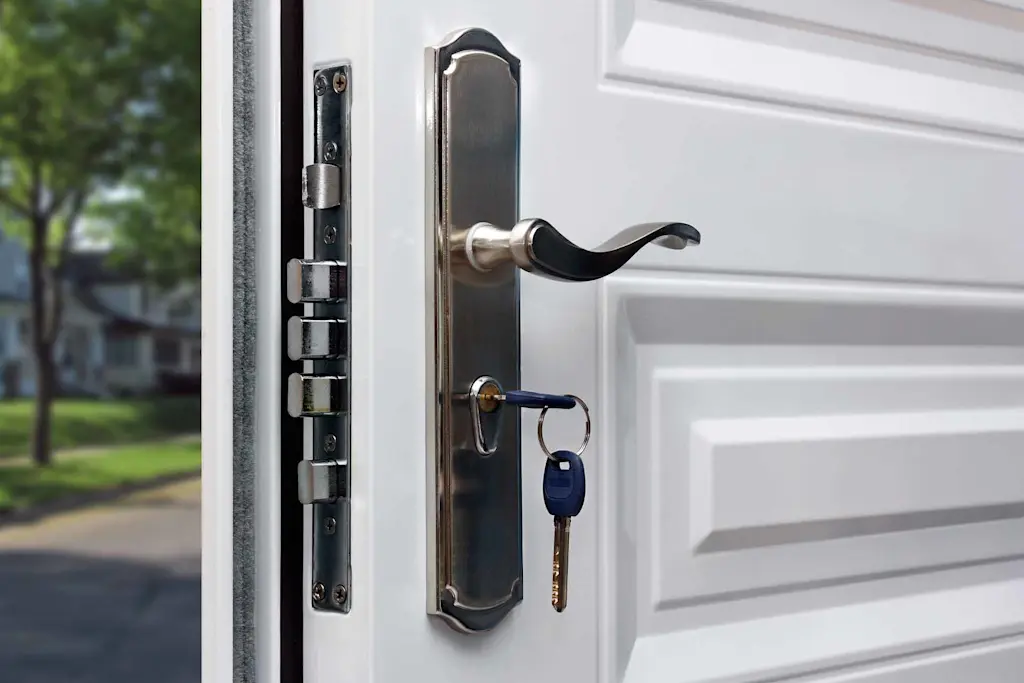
- Deadbolts: A quality deadbolt is the foundation of door security. Look for models rated Grade 1 by ANSI/BHMA for maximum strength. For more details, check out this resource on the best types of deadbolt locks for residential security.
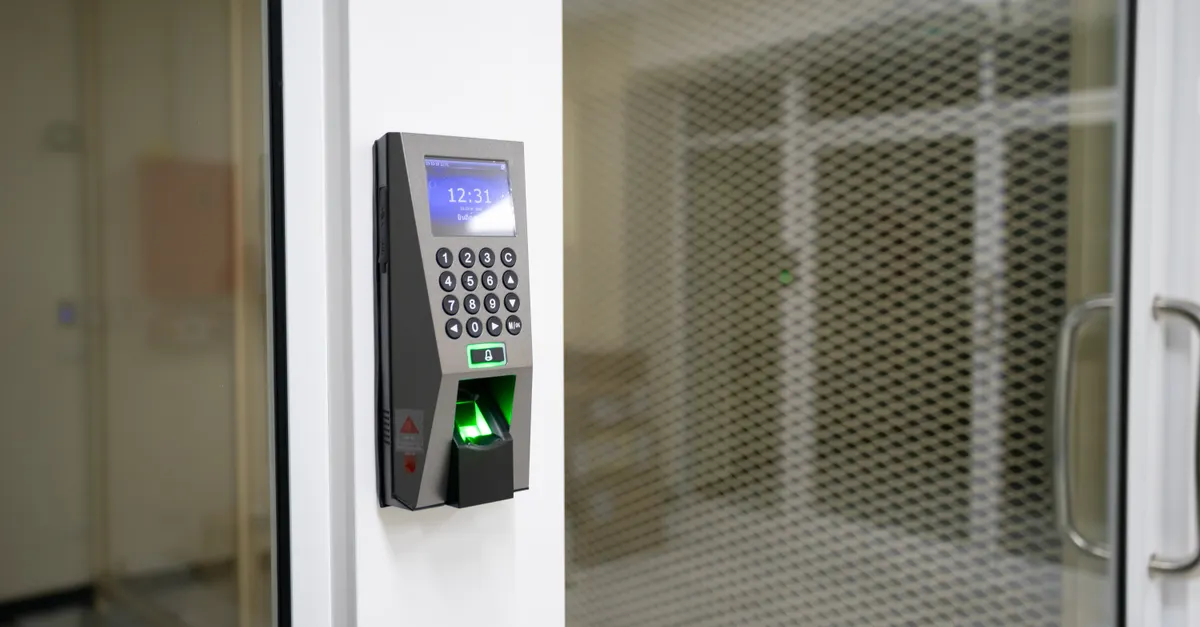
- Smart locks: These offer keyless entry, remote access, and activity logs. While convenient, choose models with robust encryption and backup key options.
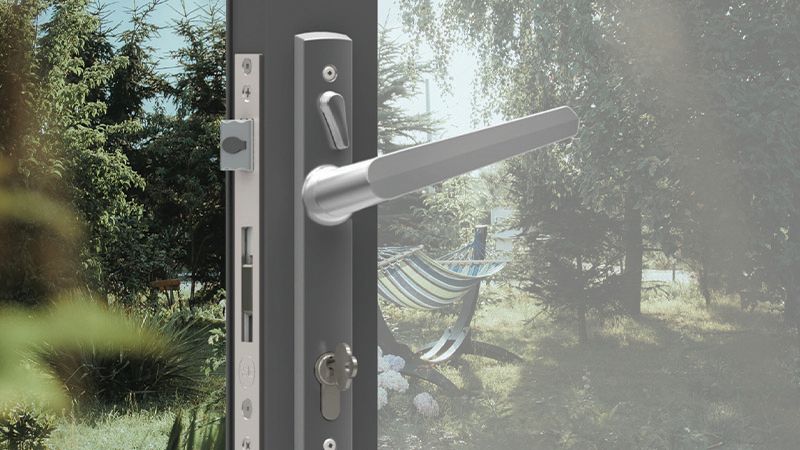
- Multipoint locking systems: Especially common on newer or high-end doors, these locks secure the door at multiple points, making forced entry much more difficult.
- Reinforced strike plates: Upgrading the strike plate and using longer screws can significantly boost resistance to kick-ins.
For those sharing a property, it’s worth exploring the best deadbolt for shared houses to ensure everyone’s needs are met without compromising on safety.
Step-by-Step Guide to Upgrading Your Home’s Locks
Securing your new residence starts with a clear action plan. Here’s a straightforward process to follow:
- Inspect all exterior doors: Identify every entry point, including side doors, garage access, and basement entries.
- Decide between rekeying or replacing: If the locks are modern and undamaged, rekeying may suffice. Otherwise, opt for replacement with high-security models.
- Choose the right lock type: Select deadbolts, smart locks, or multipoint systems based on your door type and security needs.
- Install or hire a professional: Confident DIYers can follow manufacturer instructions, but a locksmith ensures proper installation and function. For guidance, see this comparison of DIY vs professional deadbolt installation.
- Test every lock: Make sure each one operates smoothly and that all keys or codes work as expected.
- Secure spare keys: Avoid hiding keys outside. Instead, use a lockbox or leave a spare with a trusted friend or family member.
Additional Measures to Enhance Home Security
While locks are the first line of defense, there are several other steps you can take to make your property even more secure:
- Install security cameras: Visible cameras deter intruders and provide evidence if needed.
- Add motion-sensor lighting: Well-lit exteriors make it harder for someone to approach unnoticed.
- Reinforce windows: Use locks, security film, or window sensors to protect vulnerable glass areas.
- Maintain landscaping: Trim shrubs and trees near entrances to eliminate hiding spots.
- Consider a monitored alarm system: Professional monitoring can alert authorities quickly in case of a break-in.
Don’t overlook the importance of proper sizing and fit for your new locks. If you’re unsure, review this guide on how to measure for a deadbolt to avoid common mistakes during installation.
Common Mistakes to Avoid When Securing a New Property
Even well-intentioned homeowners can overlook key steps in the process. Here are some pitfalls to watch out for:
- Delaying lock changes: Waiting too long leaves your home exposed to unknown keyholders.
- Ignoring secondary doors: Side, back, and garage doors are common targets for intruders.
- Choosing low-quality hardware: Bargain locks may not withstand forced entry or picking attempts.
- Neglecting window security: Accessible windows should be secured with locks or sensors.
- Forgetting about accessibility: If you have elderly family members, consider solutions for deadbolt security for seniors to balance safety and ease of use.
FAQ: Answers to Common Questions About New Home Security
Should I rekey or replace all the locks after moving in?
It’s strongly recommended to either rekey or replace every exterior lock. Rekeying is suitable if the locks are in good shape and meet modern security standards. If they’re outdated or show wear, replacement is the safer option.
How do I choose the best lock for my new home?
Look for locks with high security ratings, such as ANSI Grade 1 deadbolts. Consider your household’s needs—smart locks offer convenience, while multipoint systems provide extra protection for certain door types. For shared living situations, research the best deadbolt for shared houses to accommodate multiple users securely.
Are smart locks as secure as traditional deadbolts?
Smart locks can be very secure if you choose reputable brands with strong encryption and backup entry methods. However, it’s important to keep firmware updated and use unique, strong codes or passwords. Always include a physical key option in case of connectivity issues.
What else should I do to protect my new house besides changing the locks?
Enhance security by installing cameras, motion lights, and a monitored alarm system. Reinforce windows and keep landscaping trimmed to eliminate hiding spots. Regularly review your security setup and update it as needed.
Taking these steps ensures your new residence is well-protected from day one. By focusing on robust locks and a comprehensive approach to security, you’ll create a safer, more comfortable environment for everyone in your household.