Understanding deadbolt lock cylinder types is essential for anyone interested in home security or considering a lock upgrade. The cylinder is the core component that determines how your deadbolt operates and how resistant it is to picking, bumping, or forced entry. Whether you’re a homeowner, renter, or property manager, knowing what’s inside your lock can help you make informed decisions about safety and maintenance.
Before diving into the specifics of lock cylinders, it’s helpful to recognize how these components fit into the broader context of door security. If you’re considering replacing or installing a new deadbolt, you may also want to learn about DIY vs professional deadbolt installation to determine the best approach for your needs.
Let’s explore the main varieties of deadbolt cylinders, how they work, and what sets them apart. This guide will also cover security considerations, maintenance tips, and frequently asked questions to help you better understand your options.
Why Cylinder Design Matters for Deadbolt Security
The cylinder is the heart of any deadbolt. It’s where the key is inserted and what controls the locking mechanism. The design and complexity of the cylinder directly impact how secure your lock is against common threats such as picking, drilling, or unauthorized key duplication. Different deadbolt lock cylinder types offer varying levels of protection and convenience, making it important to choose the right one for your situation.
For those interested in maximizing both security and ease of use, understanding the differences between cylinder types is the first step toward a safer home.
Common Types of Deadbolt Lock Cylinders
There are several main categories of cylinders used in deadbolts. Each has its own mechanism, strengths, and weaknesses. Below are the most widely used types:
Single Cylinder Deadbolts
This is the most common type found in residential properties. A single cylinder deadbolt features a keyhole on the exterior side and a thumb turn on the interior. You use a key to unlock the door from the outside, while the inside can be locked or unlocked by simply turning the knob.
- Advantages: Simple to use, affordable, and easy to install.
- Drawbacks: If there is glass near the door, an intruder could break the glass and turn the thumb knob to unlock the door.

Double Cylinder Deadbolts
Double cylinder models require a key to operate the lock from both sides of the door. There is no thumb turn; instead, you must use a key whether you’re inside or outside.
- Advantages: Enhanced security for doors with nearby glass or windows, as a burglar cannot simply reach in and turn a knob.
- Drawbacks: In an emergency, such as a fire, finding a key to unlock the door from the inside can be dangerous. Some local building codes restrict or prohibit their use for this reason.
Keyless and Smart Lock Cylinders
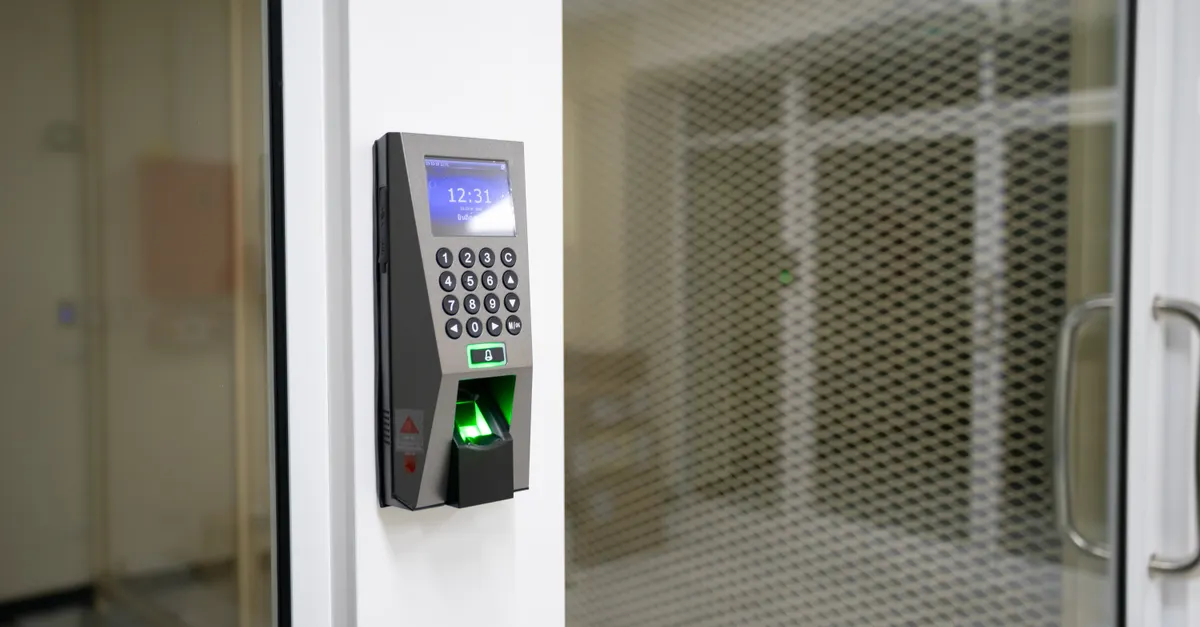
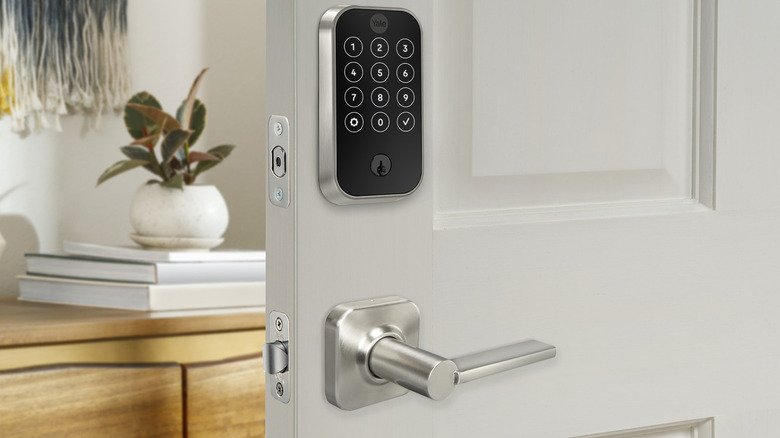
Modern deadbolts increasingly use electronic or smart lock cylinders. These may use a keypad, fingerprint reader, or smartphone app instead of a traditional key. The cylinder may be hidden or replaced by electronic components, but the core function remains the same: to control the locking mechanism securely.
- Advantages: Convenience, remote access, and advanced security features like temporary codes.
- Drawbacks: Dependence on batteries or power, and potential vulnerability to hacking if not properly secured.
Pin Tumbler vs. Disc Detainer Cylinders
Within the main categories above, the internal mechanism of the cylinder can vary. The two most common mechanisms are pin tumbler and disc detainer designs.
Pin Tumbler Cylinders
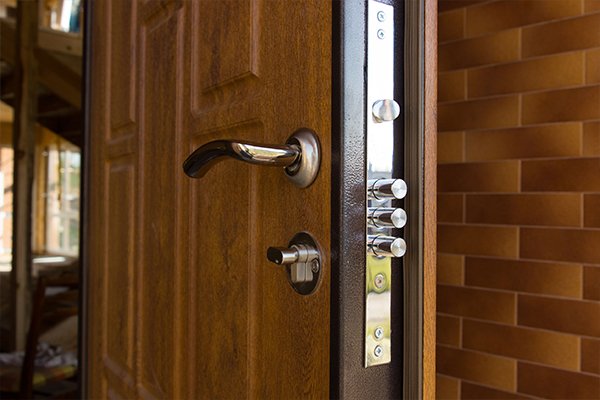
Most residential deadbolts use a pin tumbler system. Inside, a series of spring-loaded pins align at the shear line when the correct key is inserted, allowing the cylinder to turn. This design is reliable and widely used, but can be vulnerable to picking or bumping if not upgraded with security pins or anti-bump features.
Disc Detainer Cylinders
Disc detainer cylinders use rotating discs instead of pins. The correct key aligns the discs so the lock can turn. These are typically found in higher-security locks and are more resistant to picking and bumping. However, they are less common in standard residential deadbolts.
Security Features to Look For in Deadbolt Cylinders
Not all deadbolt cylinders are created equal. When evaluating options, consider these important security features:
- Anti-pick pins: Specially shaped pins that make picking more difficult.
- Drill resistance: Hardened steel inserts or plates to prevent drilling attacks.
- Key control: Patented keyways that prevent unauthorized duplication of keys.
- Bump resistance: Enhanced internal components to stop bump key attacks.
For a deeper dive into the varieties and features of deadbolts, you can review this comprehensive guide to different types of deadbolts.
Choosing the Right Cylinder for Your Needs
Selecting the best cylinder depends on your security requirements, door type, and local regulations. Here are a few tips to guide your decision:
- For most homes, a single cylinder deadbolt with anti-pick and bump-resistant features offers a good balance of security and convenience.
- If your door has glass panels or is near a window, consider a double cylinder model, but check local codes first.
- Smart lock cylinders provide flexibility and remote access, but ensure you choose a reputable brand with strong encryption and backup entry methods.
Proper installation and door alignment are also crucial for deadbolt performance. If you’re unsure about sizing or fitting, refer to resources on how to measure for a deadbolt and door alignment and deadbolt performance to avoid common mistakes.
Maintaining and Upgrading Your Deadbolt Cylinder
Regular maintenance helps extend the life and reliability of your deadbolt. Here are some practical steps:
- Lubricate the cylinder with graphite or a lock-specific lubricant every 6–12 months.
- Check for signs of wear, sticking, or difficulty turning the key—these may indicate it’s time for a replacement.
- If you move into a new home or lose a key, consider rekeying or upgrading your cylinder for peace of mind.
When upgrading, always choose a cylinder that matches your door’s thickness and backset. If you’re unsure, consulting a professional locksmith can help you avoid sizing errors and ensure optimal security.
Frequently Asked Questions
What is the difference between a single and double cylinder deadbolt?
A single cylinder deadbolt uses a key on the outside and a thumb turn on the inside, while a double cylinder requires a key on both sides. Double cylinders offer more security for doors with glass nearby but may pose a safety risk in emergencies.
Are smart lock cylinders as secure as traditional ones?
Smart lock cylinders can be very secure if they use strong encryption and quality construction. However, they introduce new risks like hacking or battery failure. Always choose a reputable brand and keep firmware updated.
How can I tell if my deadbolt cylinder needs to be replaced?
Signs that your cylinder may need replacement include difficulty turning the key, visible wear, or if your lock has been compromised. Upgrading to a newer, more secure cylinder can improve both safety and ease of use.
For more tips on avoiding scams and ensuring you choose a reputable locksmith, see this article on common locksmith scams to avoid and how to choose a trustworthy locksmith.