Few things are more frustrating than a key that won’t turn smoothly in a lock. Whether you’re rushing out the door or coming home late, a stubborn lock can disrupt your day and even damage your key. Understanding how to stop keys from sticking in locks is essential for maintaining your home’s security and convenience. Fortunately, most sticky lock issues can be resolved with a few simple steps and some basic maintenance.
This guide will walk you through the most common causes of sticky keys, practical solutions you can try at home, and tips for preventing future problems. If you’re considering upgrading your locks or want to know when it’s time to call a professional, you’ll find helpful advice here as well.

Before diving into the step-by-step fixes, it’s worth noting that sometimes the issue isn’t with the lock itself but with the door’s alignment or installation. For a deeper understanding of how door fit can affect lock performance, check out this resource on door alignment and deadbolt performance.
Common Reasons Keys Stick in Door Locks
Sticky keys are a frequent annoyance, but the underlying causes are usually straightforward. Here are the most common reasons for this problem:
- Dirt and debris inside the lock cylinder can block the pins and make turning difficult.
- Lack of lubrication causes metal parts to grind or seize up.
- Worn or damaged keys may not fit the lock pins correctly, leading to sticking or jamming.
- Misaligned doors put extra pressure on the lock, making it harder to turn the key.
- Internal lock wear from years of use can cause sticking or even complete lock failure.
Identifying the root cause is the first step toward a lasting solution. In most cases, a bit of cleaning and lubrication will restore smooth operation.
Quick Fixes for Sticky Keys in Locks
If your key is sticking, try these practical steps to resolve the issue quickly:
-
Clean the Key and Lock
Remove the key and wipe it down with a clean cloth. Use a can of compressed air to blow out any dust or debris from the keyhole. Avoid using water or harsh chemicals, as these can cause corrosion. -
Lubricate the Lock Cylinder
Apply a graphite-based lubricant or a lock-specific spray into the keyhole. Insert and remove the key several times to distribute the lubricant. Avoid using oil-based products like WD-40, as they can attract more dirt over time. -
Check the Key for Damage
Inspect your key for bends, cracks, or worn teeth. If the key is damaged, have a new one cut from the original or a code, not a copy of a worn key. -
Test the Door Alignment
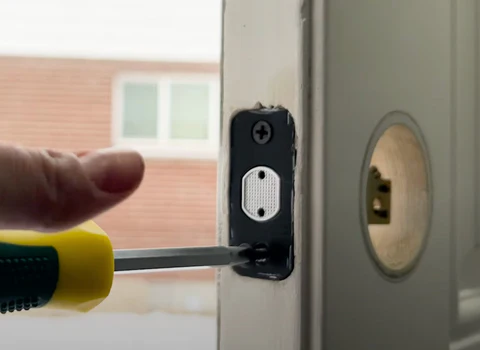
Open and close the door to see if it latches smoothly. If the door sags or rubs, adjust the hinges or strike plate to reduce pressure on the lock.
Preventing Keys From Sticking in the Future
Once you’ve resolved the immediate issue, a few simple habits can keep your locks working smoothly for years:
- Lubricate locks every six months with a dry graphite or silicone-based spray.
- Clean keys regularly to prevent dirt from entering the lock.
- Address door misalignment promptly to avoid putting stress on the lock mechanism.
- Replace worn keys before they become problematic.
- Avoid forcing the key if it sticks—this can break the key or damage the lock.
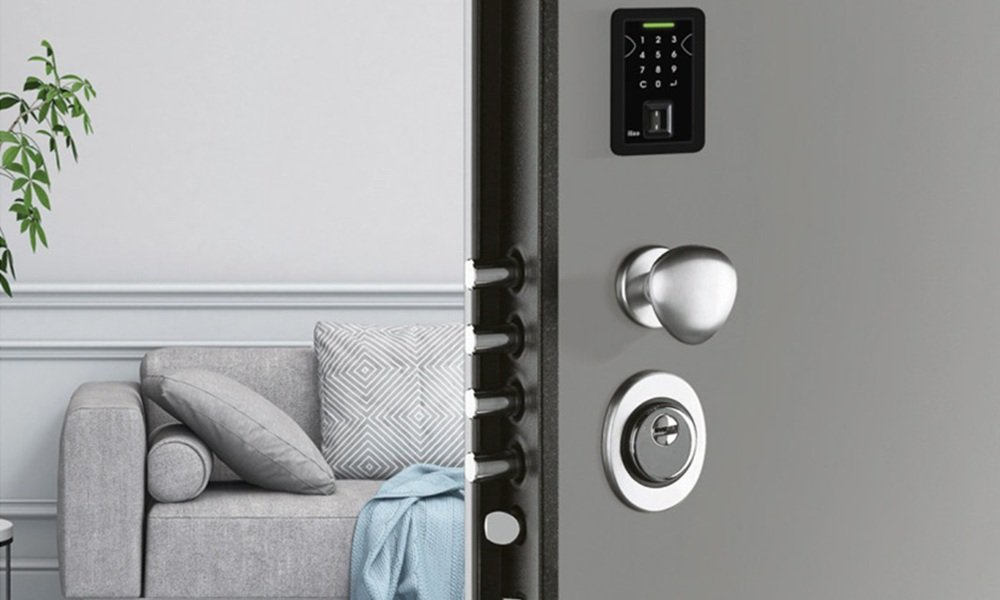
For those interested in upgrading, modern smart locks can reduce wear and tear from repeated key use. For a detailed comparison of top-rated options, see this expert review of the best smart locks.
When to Call a Locksmith for Sticky Locks
While most sticky lock issues can be fixed at home, there are times when professional help is the safest choice. Consider calling a locksmith if:
- The lock remains difficult to turn after cleaning and lubrication.
- The key breaks off inside the lock.
- The lock is old, rusted, or visibly damaged.
- You suspect an internal mechanism failure.
Choosing a reputable professional is important to avoid scams or unnecessary costs. For guidance on finding a reliable expert, read this advice on how to choose a trustworthy locksmith.
DIY Lock Maintenance Tips
Regular maintenance is the best way to avoid sticky keys and prolong the life of your locks. Here are some easy steps you can take:
- Inspect locks and keys every few months for signs of wear or dirt buildup.
- Lubricate all exterior locks before winter and summer, when temperature changes can affect metal parts.
- Keep spare keys in a safe place and replace them if they become worn or bent.
- Check door alignment after any home repairs or weather changes that might affect the frame.
If you’re considering upgrading your lock hardware, it’s worth weighing the pros and cons of doing it yourself versus hiring a professional. For more information, see this article on DIY vs professional deadbolt installation.
Frequently Asked Questions
What is the best lubricant for sticky locks?
The most recommended lubricant for sticky locks is a dry graphite powder or a silicone-based spray. These products reduce friction without attracting dust and dirt, which can worsen the problem over time. Avoid oil-based lubricants, as they can gum up the mechanism.
Can a worn key cause sticking in the lock?
Yes, a worn or damaged key can prevent the pins inside the lock from aligning properly, making it difficult to turn. If you notice your key is bent, cracked, or the teeth are worn down, have a new key cut from the original or by code for the best fit.
How do I know if my lock needs to be replaced?
If cleaning and lubricating the lock doesn’t resolve the issue, or if the lock is visibly damaged, rusted, or very old, it may be time for a replacement. Persistent sticking, difficulty turning, or a key that gets stuck frequently are all signs that the lock mechanism may be failing.
Is it safe to use WD-40 on door locks?
While WD-40 can provide temporary relief, it is not recommended for locks because it leaves a residue that attracts dust and grime. Over time, this can make the problem worse. Stick to graphite or silicone-based lubricants for best results.
What should I do if my key breaks off in the lock?
If your key breaks off inside the lock, do not attempt to force it out with another key or tool, as this can damage the lock further. Instead, use needle-nose pliers to gently remove the broken piece if it is visible. If you cannot remove it easily, contact a professional locksmith for assistance.