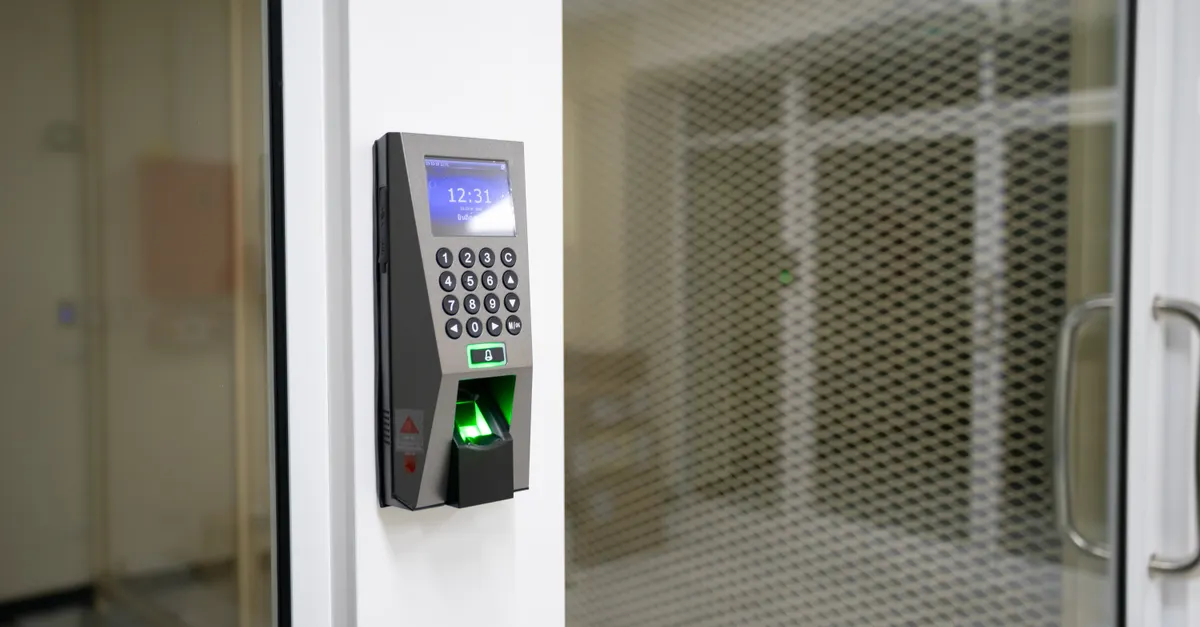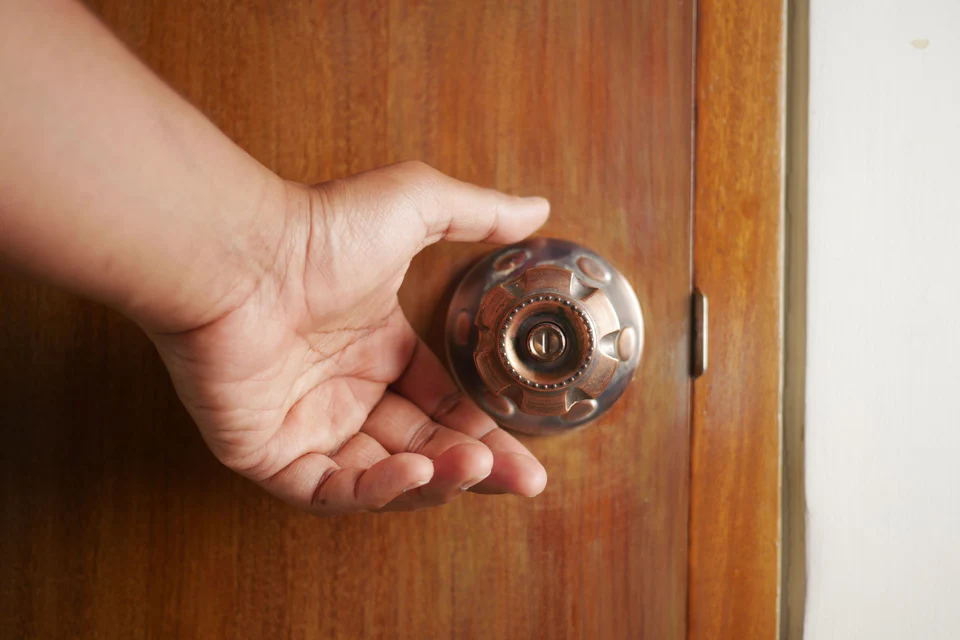
Securing your entryways is one of the most effective ways to protect your home and loved ones. A comprehensive door security checklist for homeowners helps you identify vulnerabilities, strengthen weak points, and ensure peace of mind. Whether you’re moving into a new house or upgrading your current security, reviewing each aspect of your doors is essential. This guide will walk you through practical steps, from lock selection to frame reinforcement, so you can confidently safeguard every entry point.
Before diving into the details, it’s important to recognize that door security is more than just installing a sturdy lock. Factors like door material, alignment, and hardware quality all contribute to your home’s overall safety. For those considering upgrades or repairs, understanding the difference between DIY vs professional deadbolt installation can help you make informed decisions about what’s best for your situation.
Why a Home Entryway Audit Matters
Many break-ins occur through doors that appear secure but have overlooked weaknesses. Regularly reviewing your entry points with a structured checklist helps you spot issues before they become security risks. This process not only deters opportunistic intruders but also ensures your locks and hardware function as intended year-round. By taking a proactive approach, you reduce the chances of forced entry and increase your family’s safety.
Assessing Door Materials and Frames
The foundation of any secure entry is a solid door and a strong frame. Start by checking the material of your main and secondary doors. Solid wood, metal, or fiberglass doors offer better resistance to forced entry compared to hollow-core or thin panel doors. Inspect for cracks, warping, or signs of rot, especially around the edges.
Equally important is the door frame. Reinforced steel frames or those fitted with strike plates anchored by long screws provide greater resistance to kick-ins. If you notice any movement or looseness when the door is closed, it may be time to reinforce the frame or replace the strike plate. For more on how door fit impacts lock performance, see this guide on door alignment and deadbolt performance.
Choosing and Maintaining Reliable Locks
Locks are the first line of defense for any entryway. When reviewing your door security checklist for homeowners, prioritize deadbolts with a minimum one-inch throw. Avoid relying solely on standard knob locks, as these can be easily bypassed. High-security deadbolts, especially those rated Grade 1 by ANSI/BHMA, provide the best protection.
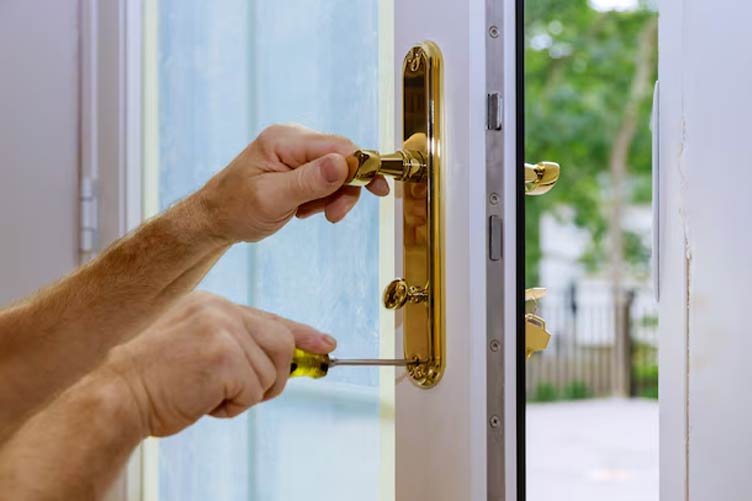
Consider upgrading to smart locks or electronic deadbolts for added convenience and security. For a breakdown of top-rated options, check out this review of the best electronic deadbolts. No matter the type, regularly inspect your locks for signs of wear, rust, or malfunction. Lubricate moving parts and replace any components that feel loose or unreliable.
Reinforcing Hinges and Strike Plates
Even the strongest lock is only as secure as the hardware supporting it. Examine your door’s hinges—especially those on outward-swinging doors. Use at least three-inch screws to anchor hinges into the wall stud, not just the door frame. This simple step greatly increases resistance to forced entry.
Strike plates are another critical area. Upgrade to heavy-duty plates with long screws that penetrate deep into the framing. Reinforced strike plates can withstand more force and make it much harder for intruders to kick in the door. If you’re unsure about proper installation, consult a professional or refer to resources on how to measure for a deadbolt to ensure a perfect fit.
Glass Panels and Side Lights: Securing Vulnerable Spots
Doors with glass inserts or side lights look attractive but can create weak points. If your entryway features glass, use laminated or reinforced glass that resists shattering. Alternatively, install security film to hold the glass together if broken. For added protection, consider decorative metal grilles or bars that don’t compromise aesthetics.
Always ensure that locks are positioned far enough from glass panels so that they cannot be easily reached if the glass is broken. This small adjustment can make a significant difference in overall security.
Additional Entry Points: Garages, Patio, and Basement Doors
Secondary doors are often overlooked but can be prime targets for intruders. Apply the same door security checklist for homeowners principles to garage, patio, and basement entries. These doors should be solid, equipped with deadbolts, and have reinforced frames and hinges. Sliding glass doors, in particular, benefit from security bars or auxiliary locks to prevent forced entry.
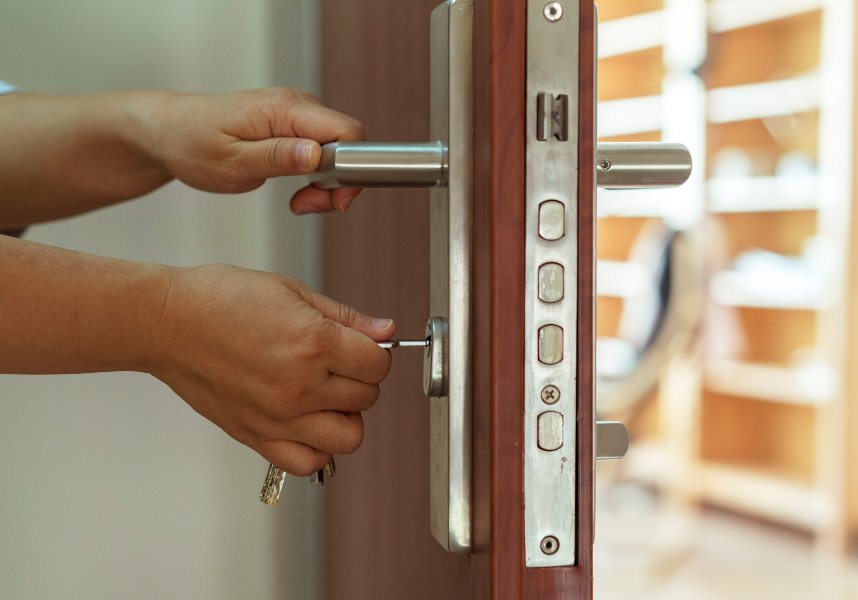
Don’t forget to check for gaps or misalignment, which can weaken the door’s integrity. Weatherstripping not only improves energy efficiency but also helps prevent prying attacks by eliminating large gaps.
Routine Inspections and Maintenance
Security isn’t a one-time task. Make it a habit to inspect all entry doors at least twice a year. Look for signs of tampering, rust, or wear on locks and hardware. Test each lock and latch to ensure smooth operation. Tighten screws, lubricate moving parts, and replace any components that show signs of damage.
Regular maintenance extends the life of your security hardware and ensures that your protective measures remain effective. If you ever need to hire a professional for repairs or upgrades, be cautious and review tips on how to choose a trustworthy locksmith to avoid scams and ensure quality service.
Checklist Summary: Steps to Secure Every Door
- Inspect door material and frame for strength and damage
- Upgrade to solid core or metal doors where possible
- Install high-quality deadbolts with at least a one-inch throw
- Use reinforced strike plates and long screws for hinges
- Secure glass panels with laminated glass or security film
- Apply same standards to all secondary doors, including garage and patio entries
- Check for proper alignment and eliminate large gaps
- Perform regular maintenance and inspections
Frequently Asked Questions
What type of lock offers the best protection for front doors?
Grade 1 deadbolts, either mechanical or electronic, provide the highest level of security for residential entryways. These locks are tested for durability and resistance to forced entry, making them a top choice for homeowners seeking reliable protection.
How often should I review my home’s door security?
It’s recommended to inspect all entry doors and their hardware at least twice a year. Additionally, check after any attempted break-in, severe weather, or when moving into a new property to ensure all security measures are intact.
Are smart locks as secure as traditional deadbolts?
Modern smart locks can be just as secure as traditional deadbolts, provided they are installed correctly and meet industry standards. Look for models with strong encryption, tamper alerts, and backup key access for optimal security and convenience.
Conclusion
Protecting your home starts with a thorough review of every entry point. By following a detailed door security checklist for homeowners, you can address vulnerabilities, upgrade hardware, and maintain a safe environment for your family. Remember, consistent maintenance and periodic upgrades are key to staying ahead of potential threats. For more insights on protecting your property and avoiding pitfalls, see this article on common locksmith scams to avoid.