Securing homes and businesses has become more complex as threats evolve and property owners demand greater peace of mind. Restricted key deadbolt systems offer a significant upgrade over standard locks by providing advanced access control, limiting unauthorized key duplication, and enhancing overall security. Whether you’re a homeowner, property manager, or business owner, understanding how these systems work and their benefits can help you make informed decisions about protecting your assets.
Before diving into the details of these high-security solutions, it’s helpful to consider related aspects of door security. For example, ensuring proper installation can make a substantial difference in lock effectiveness. If you’re weighing your options, our guide on DIY vs professional deadbolt installation breaks down the pros and cons of each approach.
What Makes Restricted Key Deadbolt Systems Different?
Traditional deadbolts can be effective, but they often fall short when it comes to controlling who can copy keys. Restricted key deadbolt systems use patented keyways and unique key profiles, making unauthorized duplication nearly impossible. Only authorized locksmiths or dealers can legally cut additional keys, and this is typically tracked through a registration process. This means property owners maintain strict control over who has access, reducing the risk of lost or copied keys leading to security breaches.
These systems are commonly found in environments where security is a top priority, such as offices, apartment complexes, schools, and even private residences that require an extra layer of protection. The combination of mechanical strength and key control sets them apart from standard options.
Key Features and Advantages of High-Security Deadbolts
Choosing a restricted key solution brings several notable benefits:
- Key Control: Only authorized individuals can request new keys, and duplication is tightly regulated.
- Enhanced Physical Security: Many models feature hardened steel inserts, anti-drill plates, and pick-resistant cylinders.
- Audit Trails: Some systems allow for tracking of key issuance, which is especially useful for businesses and property managers.
- Legal Protection: Patented keyways mean that unauthorized duplication is not just difficult—it’s illegal.
- Reduced Rekeying Costs: With better control, there’s less need to rekey locks due to lost or unreturned keys.
How Restricted Key Systems Work
At the core of these advanced locks is a unique key design. Unlike standard keys, which can be duplicated at most hardware stores, restricted keys are protected by patents and proprietary manufacturing. When you install a restricted key deadbolt, you receive a set of keys registered to your name or organization. To obtain additional keys, you must present proof of authorization to a certified locksmith or dealer.
This process ensures that only trusted individuals can obtain copies, and many suppliers keep detailed records of all key issuances. Some systems even offer master keying options, allowing for multiple levels of access within a property—ideal for facilities with different security zones.
Comparing Restricted Key Deadbolts to Standard Locks
While both types of locks can physically secure a door, the differences are significant:
| Feature | Standard Deadbolt | Restricted Key Deadbolt |
|---|---|---|
| Key Duplication | Easy, often unregulated | Strictly controlled, patented keys |
| Physical Security | Basic protection | Enhanced with anti-pick, anti-drill features |
| Access Control | Limited | Comprehensive, with tracking options |
| Cost | Lower upfront | Higher initial investment, lower long-term risk |
Choosing the Right System for Your Needs
When selecting a high-security deadbolt, consider the following:
- Type of Property: Multi-tenant buildings, offices, and facilities with sensitive areas benefit most from restricted key systems.
- Level of Control Needed: If you need to limit who can copy keys, these systems are ideal.
- Budget: While initial costs are higher, long-term savings come from reduced rekeying and better security.
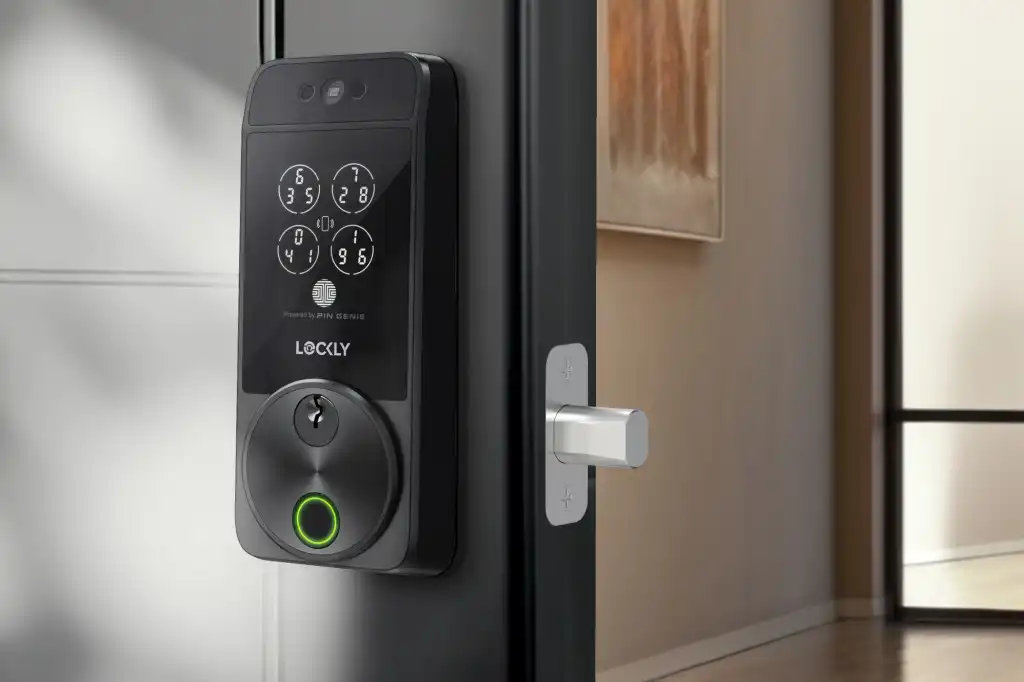
- Integration with Other Security Measures: Some restricted key deadbolts can be paired with electronic access systems or smart locks for even greater control.
For those interested in the latest technology, exploring the best smart locks for home security can provide insights into how mechanical and digital solutions can work together.
Installation and Maintenance Tips
Proper installation is crucial for maximizing the benefits of any deadbolt. If you’re unsure about the process, consulting a professional locksmith is recommended. For those who prefer a hands-on approach, it’s important to follow manufacturer instructions closely and ensure the lock is aligned correctly with the door and frame. Misalignment can compromise security and shorten the lifespan of the lock.
Maintenance is generally straightforward: keep the keyway clean, lubricate as recommended, and periodically check for signs of wear. If you encounter issues, such as difficulty turning the key or a loose cylinder, address them promptly to maintain security. For more on ensuring your lock functions optimally, see our article on door alignment and deadbolt performance.
Common Applications for Restricted Key Deadbolts
These advanced locking systems are used in a variety of settings, including:
- Commercial buildings and offices
- Apartment complexes and condominiums
- Schools and universities
- Healthcare facilities
- Private residences with high security needs
In each case, the goal is to prevent unauthorized access and maintain control over who can enter specific areas. This is especially important in environments where sensitive information, valuable assets, or vulnerable individuals are present.
Potential Drawbacks and Considerations
While the advantages are clear, there are a few factors to keep in mind:
- Higher Upfront Cost: These systems are more expensive than standard locks, but the investment pays off in long-term security.
- Key Replacement Process: Obtaining new keys requires authorization and may take longer than with standard keys.
- Finding a Qualified Locksmith: Not all locksmiths are authorized to duplicate restricted keys, so choose your provider carefully. For guidance, see our tips on how to choose a trustworthy locksmith.
Frequently Asked Questions
Are restricted key deadbolt systems suitable for residential use?
Yes, these systems are increasingly popular among homeowners who want to prevent unauthorized key duplication and enhance overall security. They are especially valuable for rental properties, shared homes, and residences with frequent visitors or staff.
Can I upgrade my existing deadbolt to a restricted key system?
In many cases, yes. A professional locksmith can often retrofit your current lock with a high-security cylinder designed for restricted keys. However, some situations may require a full lock replacement for optimal performance and compatibility.
How do I get additional keys for my restricted key system?
To obtain more keys, you must contact the authorized locksmith or dealer who supplied your system. You’ll need to provide proof of authorization, such as registration documents or identification. This process ensures that only trusted individuals can access new keys.
By understanding the features, benefits, and considerations of restricted key deadbolt systems, you can make informed choices that strengthen your property’s security and give you greater peace of mind.