Dealing with a stuck deadbolt can be frustrating and even a little stressful, especially if you’re locked out or worried about damaging your door. Whether you’re facing a stubborn key, a misaligned bolt, or a lock that simply won’t budge, knowing how to unlock a jammed deadbolt safely is essential for both your security and peace of mind. This guide covers practical steps, common causes, and safe solutions to help you restore access without causing unnecessary harm to your lock or door.
Understanding the reasons behind a jammed lock can also help you prevent future issues. We’ll walk through troubleshooting tips, quick fixes, and when it’s time to call a professional. If you’re considering whether to tackle lock repairs yourself or seek expert help, you may also want to read about DIY vs professional deadbolt installation for more insight.
Common Reasons Deadbolts Get Stuck
Before trying to fix a jammed lock, it’s important to understand what might be causing the problem. Here are some of the most frequent culprits:
- Key or Lock Cylinder Issues: Dirt, debris, or worn-out keys can prevent smooth operation.
- Misaligned Door or Strike Plate: If the door or frame has shifted, the bolt may not line up properly with the strike plate.
- Internal Mechanism Failure: Springs or pins inside the lock can wear out or break over time.
- Weather Effects: Humidity, cold, or swelling wood can cause the door or lock to bind.
- Lack of Lubrication: Dry or corroded components can make the deadbolt difficult to turn.
Identifying the root cause will help you choose the right solution and avoid unnecessary force that could damage your lock.
Step-by-Step: Safe Methods for Releasing a Stuck Deadbolt
When you encounter a jammed lock, patience and the right technique are key. Here’s how to approach the situation safely:
1. Inspect the Key and Lock
Check if your key is bent, worn, or dirty. Try a spare key if available. If the key doesn’t insert smoothly, avoid forcing it, as this can break the key inside the lock.
2. Apply Lubricant
Use a graphite-based lubricant or a lock-specific spray (avoid oil-based products, which can attract dirt). Insert the lubricant into the keyhole and gently wiggle the key back and forth. This often resolves minor sticking due to dirt or dryness.
3. Check Door Alignment
If the deadbolt turns partially but won’t fully engage or retract, the door or strike plate may be misaligned. Try pushing or pulling the door gently while turning the key. If this helps, you may need to adjust the hinges or strike plate. For more details on this issue, see our article on door alignment and deadbolt performance.
4. Tap the Lock Gently
Sometimes, a light tap on the lock with a rubber mallet can loosen internal parts that are stuck. Be gentle to avoid damaging the hardware.
5. Remove and Inspect the Lock (If Possible)
If you’re comfortable with basic tools, you can unscrew the lock from the door to inspect for visible obstructions or broken parts. Clean out any debris and reassemble carefully.
When to Call a Locksmith
If you’ve tried the above steps and the deadbolt is still stuck, or if you suspect internal damage, it’s best to consult a professional. Attempting to force the lock can lead to broken keys, damaged doors, or even injury. A qualified locksmith can diagnose the issue, repair or replace the lock, and ensure your door remains secure.
For tips on choosing a reliable expert, check out our guide on how to choose a trustworthy locksmith.
Preventing Future Deadbolt Jams
Regular maintenance can help you avoid the hassle of a stuck lock. Here’s what you can do:
- Lubricate your locks every six months with a graphite or silicone-based product.
- Keep keys clean and replace them if they become worn or bent.
- Check door alignment periodically, especially after weather changes or if you notice sticking.
- Tighten loose screws on hinges and strike plates to maintain proper alignment.
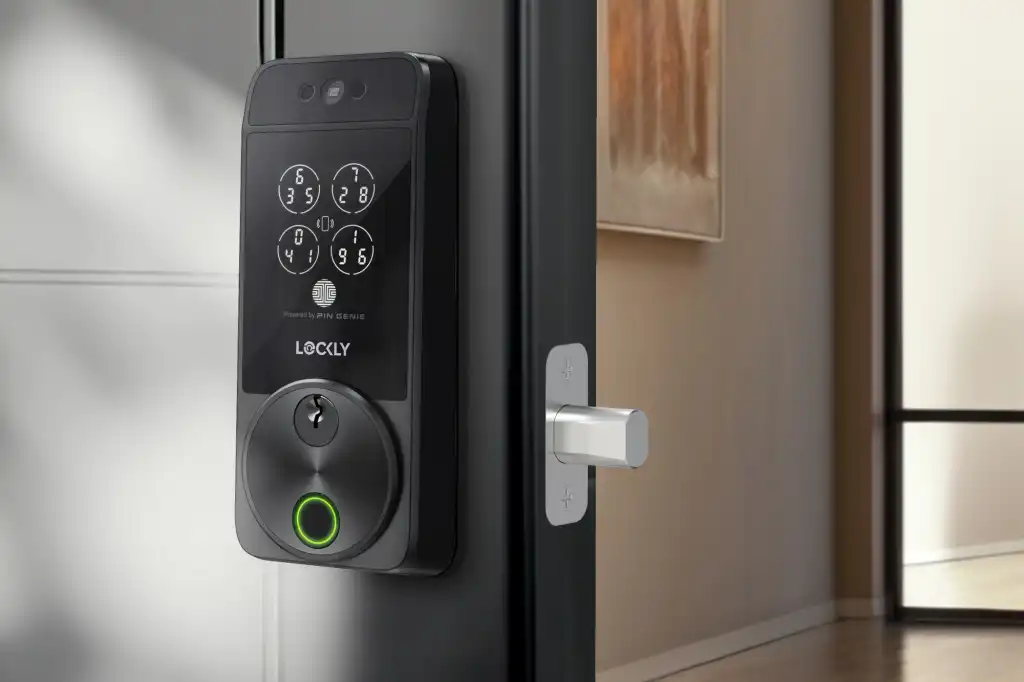
- Upgrade to high-quality or smart locks for added reliability and convenience. For the latest options, see this comprehensive review of top smart locks.
Taking these steps can extend the life of your lock and reduce the risk of future problems.
Advanced Troubleshooting for Persistent Lock Issues
If you’ve addressed the basics and your deadbolt still jams, consider these additional checks:
- Check for Warped Doors: Seasonal humidity or water damage can cause wood doors to swell or warp, misaligning the bolt.
- Inspect for Internal Wear: Older locks may have worn springs or pins. If you notice grinding or resistance, replacement may be necessary.
- Evaluate the Strike Plate: Ensure the strike plate is firmly attached and not bent. The opening should align perfectly with the bolt.
- Consider Professional Installation: If you’re replacing a lock, proper sizing and installation are crucial. For guidance, see our article on how to measure for a deadbolt.
Persistent problems often indicate it’s time for a new lock or expert intervention. Don’t hesitate to seek help if you’re unsure.
FAQ: Answers to Common Deadbolt Problems
What should I do if my key is stuck in the deadbolt?
If your key is stuck, avoid forcing it. Gently wiggle the key while applying a graphite-based lubricant to the keyhole. If it still won’t budge, call a locksmith to prevent breaking the key inside the lock.
Can I use WD-40 to fix a jammed deadbolt?
While WD-40 can provide temporary relief, it’s not recommended for locks because it attracts dust and grime over time. Use a graphite or silicone-based lubricant instead for long-term performance.
How do I know if the lock needs to be replaced?
If the deadbolt remains difficult to operate after cleaning, lubricating, and adjusting alignment, or if you notice visible damage or excessive wear, replacement is likely the safest option for your security.
Conclusion
Addressing a jammed deadbolt doesn’t have to be overwhelming. By following these safe and practical steps, you can often resolve minor issues yourself and know when to call in professional help. Regular maintenance and attention to door alignment will help prevent future lockouts and keep your home secure. For more home security tips and lock maintenance advice, explore our related articles on this site.