The future of smart deadbolt technology is rapidly evolving, promising homeowners increased security, convenience, and integration with the broader smart home ecosystem. As connected devices become more common, expectations for door locks are shifting from simple mechanical security to intelligent, adaptive solutions. This article explores the next wave of innovations, what homeowners and businesses can expect, and how these advancements will reshape everyday access control.
Understanding the direction of smart lock development is essential for anyone considering an upgrade or planning a new security system. Whether you’re interested in advanced features, enhanced safety, or seamless integration with other devices, staying informed will help you make better choices. For those weighing installation options, our guide on DIY vs professional deadbolt installation can help you decide the best approach for your needs.
Key Trends Shaping Next-Generation Smart Deadbolts
Several trends are driving the transformation of smart locks. These innovations are not only making locks more secure but also more user-friendly and adaptable to different lifestyles. Here are some of the most significant developments influencing the future of smart deadbolt technology:
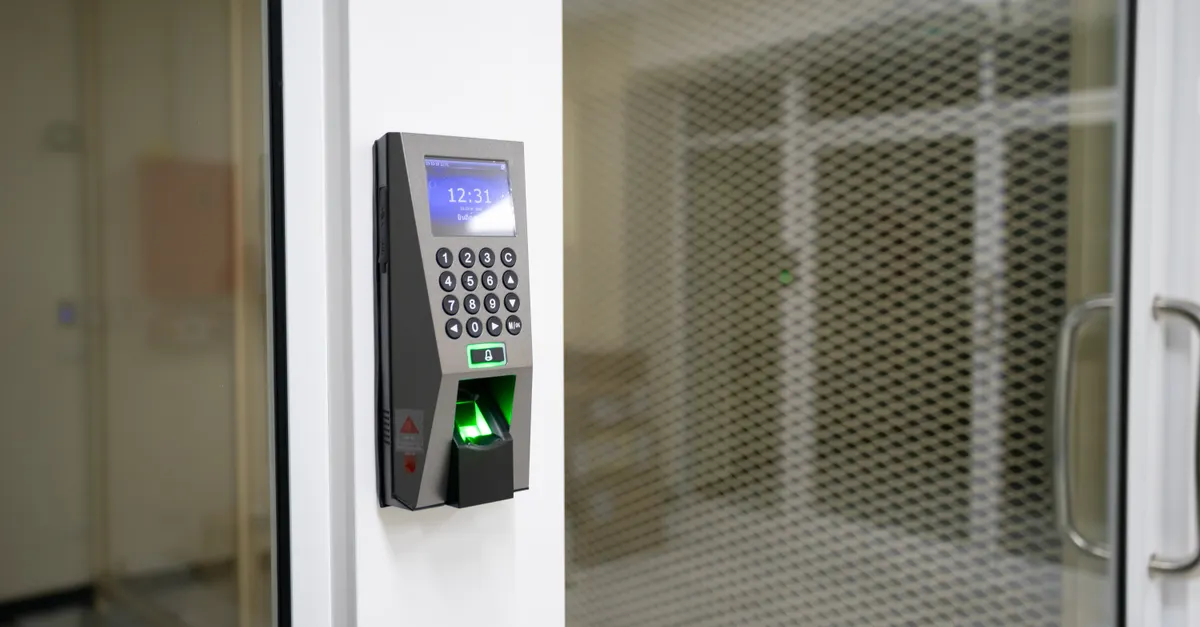
- Biometric Authentication: Fingerprint and facial recognition are becoming standard, offering quick, secure access without the need for keys or codes.
- AI-Powered Security: Artificial intelligence is being used to detect unusual access patterns, alert homeowners to suspicious activity, and even adapt lock behavior based on user habits.
- Remote and Voice Control: Integration with voice assistants and mobile apps allows users to lock or unlock doors from anywhere, adding convenience and peace of mind.
- Seamless Smart Home Integration: New smart deadbolts are designed to work effortlessly with other connected devices, such as cameras, alarms, and lighting systems.
- Advanced Encryption and Cybersecurity: As locks become more connected, manufacturers are focusing on robust encryption and regular firmware updates to prevent hacking and unauthorized access.
Biometric and AI Innovations in Smart Locking
One of the most exciting areas in the evolution of smart locks is the integration of biometrics and artificial intelligence. Biometric authentication, such as fingerprint and facial recognition, is becoming more accurate and accessible. These technologies not only enhance security but also streamline the user experience, eliminating the need for physical keys or memorized codes.
AI is also playing a growing role in the future of smart deadbolt technology. Advanced locks can now analyze user behavior, detect anomalies, and send instant alerts if something seems off. For example, if a lock is accessed at an unusual time or by an unfamiliar fingerprint, the system can notify the homeowner or even trigger additional security measures. This proactive approach is a significant leap forward from traditional locks, which offer little more than a physical barrier.
Connectivity and Integration with Smart Home Systems
Modern smart deadbolts are designed to be part of a larger connected home. Integration with platforms like Amazon Alexa, Google Assistant, and Apple HomeKit allows users to control their locks with voice commands or automate actions based on routines. For example, a lock can automatically engage when you leave home or disarm when you arrive, in sync with your security system and lighting.
Additionally, interoperability is improving. Homeowners can now expect their smart locks to work with a wide range of third-party devices, from security cameras to thermostats. This level of integration not only enhances convenience but also strengthens overall home security by creating a unified, responsive system.
Security and Privacy: Addressing New Challenges
As smart locks become more sophisticated, concerns about digital security and privacy are growing. Manufacturers are responding by implementing advanced encryption protocols, regular software updates, and multi-factor authentication. These measures are designed to prevent unauthorized access, hacking, and data breaches.
It’s also important for users to stay vigilant. Regularly updating firmware, choosing strong passwords, and monitoring access logs are essential practices. For more tips on ensuring your lock functions optimally, see our article on door alignment and deadbolt performance.
For those interested in exploring the latest models and features, this guide to the best electronic deadbolts provides a comprehensive overview of current options and what to look for in a new lock.
What to Expect from the Next Generation of Smart Deadbolts
Looking ahead, several features are likely to become standard in upcoming smart lock models:
- Improved Battery Life: Advances in energy efficiency and backup power options will reduce maintenance and ensure locks remain operational during outages.
- Enhanced User Management: More flexible access controls, such as temporary digital keys for guests or service providers, will make managing entry easier and more secure.
- Environmental Sensing: Some future locks may include sensors for temperature, humidity, or even air quality, providing additional data for smart home systems.
- Greater Customization: Users will have more options to personalize lock behavior, notifications, and integration with other devices.
These advancements will make smart deadbolts not just a security device, but a central part of the connected home experience.
Choosing and Installing the Right Smart Deadbolt
With so many features and models on the horizon, selecting the right smart lock can be challenging. Consider your specific needs, such as compatibility with existing smart home systems, preferred authentication methods, and desired security features. Installation is another key factor—some locks are designed for easy DIY setup, while others may require professional assistance. If you’re unsure, our resource on how to measure for a deadbolt can help you avoid common sizing mistakes and ensure a proper fit.
It’s also wise to research reputable brands, read user reviews, and consult with security professionals when making your decision. For added peace of mind, learn how to spot common locksmith scams to avoid before hiring anyone for installation or service.
FAQ: Smart Deadbolt Technology and What’s Ahead
How secure are biometric smart deadbolts compared to traditional locks?
Biometric smart deadbolts offer a higher level of security by requiring unique physical identifiers, such as fingerprints or facial features, for access. While no system is completely immune to tampering, modern biometric locks use advanced encryption and anti-spoofing technology, making them more difficult to bypass than standard keyed locks.
Will future smart deadbolts work with all smart home platforms?
Interoperability is a key focus for manufacturers. Most next-generation smart deadbolts are being designed to support major platforms like Alexa, Google Assistant, and Apple HomeKit. However, it’s important to check compatibility before purchasing to ensure seamless integration with your existing devices.
What should I do if my smart deadbolt loses power or internet connectivity?
Most smart deadbolts include backup power options, such as emergency battery terminals or mechanical key overrides, to ensure you can still access your home. Some models also offer local Bluetooth connectivity, allowing you to operate the lock without internet access. Always review the lock’s backup features before installation.
Conclusion
The future of smart deadbolt technology is set to deliver greater security, convenience, and integration than ever before. By staying informed about emerging trends and understanding the features that matter most, homeowners and businesses can make smarter choices for their security needs. As the technology continues to advance, smart deadbolts will become an even more essential part of modern living, blending robust protection with the flexibility and intelligence of the connected home.