Securing your home starts at the entrance. Yet, many homeowners unknowingly leave their property vulnerable by making avoidable errors at the main entryway. Overlooking small details or relying on outdated methods can compromise the safety of your household. Understanding and addressing common front door security mistakes is essential for anyone wanting to protect their family and belongings.
This guide will break down frequent oversights, explain why they matter, and provide actionable solutions. Whether you’re a new homeowner or looking to upgrade your current setup, these insights will help you strengthen your entryway’s defenses and avoid pitfalls that burglars often exploit.
One of the most overlooked factors in door safety is proper hardware installation. If you’re unsure whether to tackle upgrades yourself or hire an expert, our resource on DIY vs professional deadbolt installation offers valuable perspective on making the right choice for your needs.
Overlooking Deadbolt Quality and Installation
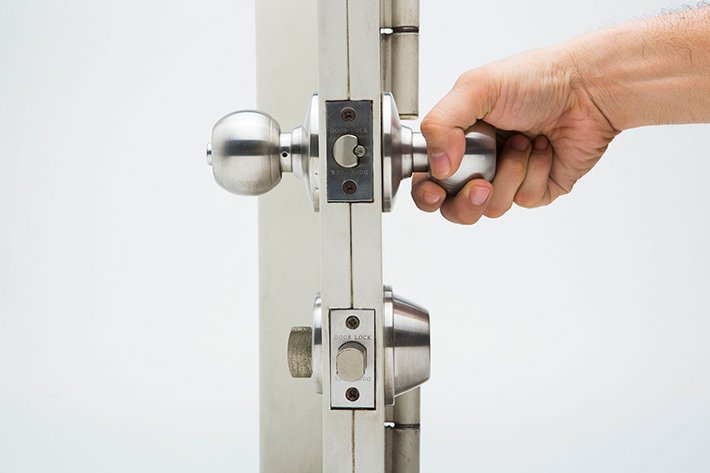
Many people assume that any lock will do, but not all deadbolts offer the same level of protection. Relying on a basic spring bolt or a low-quality deadbolt is one of the most common front door security mistakes. Inferior locks are easier to pick, bump, or force open. Even the best deadbolt, however, can fail if installed incorrectly—misaligned hardware or loose screws can render a lock ineffective.
To avoid this, always choose a high-grade deadbolt that meets industry standards. Consider consulting resources like this guide to different types of deadbolt locks for an overview of your options. Proper installation is equally crucial—if you’re not confident in your skills, hiring a professional locksmith can ensure the lock is fitted securely and operates as intended.

Additionally, always check that the strike plate is reinforced with long screws that reach the wall stud, not just the door frame. This simple upgrade can make a significant difference in resisting forced entry.
Neglecting Door Alignment and Maintenance
A misaligned door can compromise even the best lock. If the deadbolt doesn’t extend fully into the strike plate, the door is easier to force open. Warped wood, loose hinges, or settling foundations can all cause alignment issues. This is a frequent oversight that many homeowners don’t notice until it’s too late.
Regularly inspect your entryway for signs of wear or shifting. If you notice difficulty locking or unlocking the door, address it promptly. Our article on door alignment and deadbolt performance explains why proper fit matters and how to correct common problems. Keeping your door in good condition ensures that your security hardware functions as designed.
Ignoring the Importance of Door Material and Frame Strength
Even the strongest lock can be defeated if the door or frame is weak. Hollow-core doors, often used for interior spaces, are not suitable for exterior entryways. Similarly, frames made from soft wood or those that have deteriorated over time are easy targets for forced entry.
To enhance your home’s security, invest in a solid wood or metal-clad door for your main entrance. Reinforce the frame with a metal strike plate and consider installing a door jamb reinforcement kit. These upgrades make it much harder for intruders to kick in the door, providing a critical layer of defense.
Leaving Spare Keys in Obvious Places
Hiding a spare key under a doormat, flowerpot, or above the doorframe is a classic mistake. Burglars know to check these spots first. While it’s convenient to have a backup, leaving keys in predictable locations puts your home at risk.
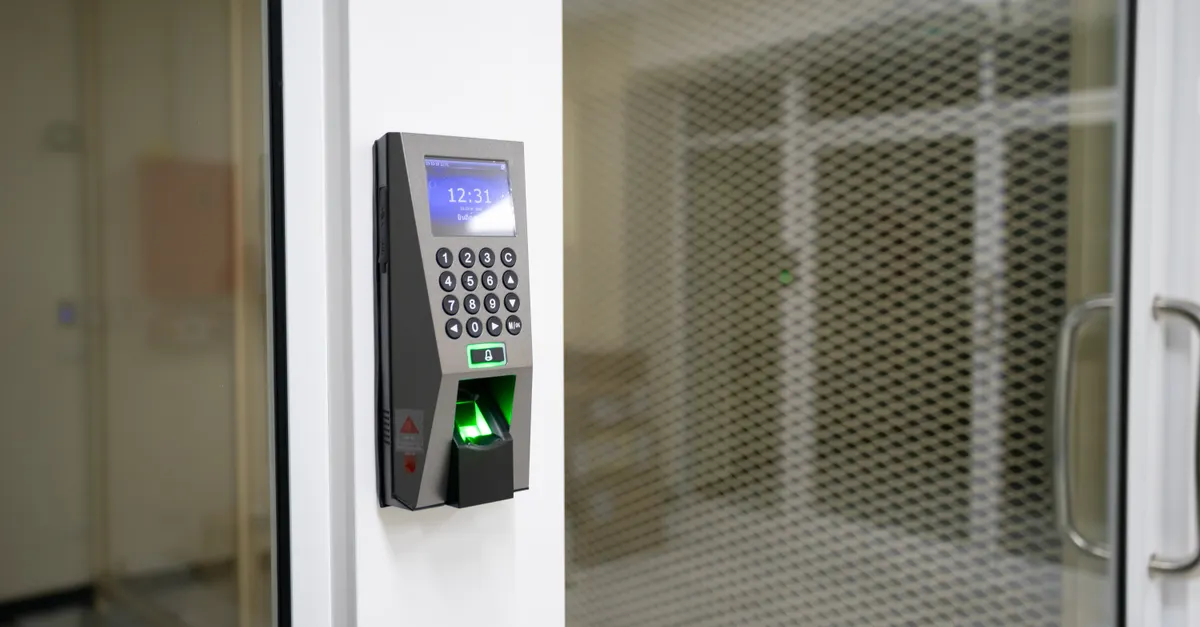
Instead, consider giving a spare key to a trusted neighbor or family member. Alternatively, invest in a secure lockbox with a code. For those who want to eliminate physical keys altogether, smart locks offer keyless entry options with customizable access codes.
Forgetting About Visibility and Lighting
Poorly lit entryways and obstructed sightlines can make your home more attractive to intruders. Overgrown bushes, tall planters, or dim lighting provide cover for someone attempting to tamper with your door.
Keep the area around your entrance clear and well-lit. Motion-activated lights and security cameras act as deterrents and increase the likelihood that suspicious activity will be noticed. Trimming back vegetation not only improves visibility but also gives you a clear view when approaching your own home.
Not Updating or Rekeying Locks After Moving In
When moving into a new home, it’s impossible to know how many copies of the keys exist or who might have them. Failing to change or rekey the locks is a significant oversight that can leave your property exposed to unauthorized access.
Always update your locks or have them rekeyed as soon as you take possession of a new property. This simple step ensures that only you and those you trust have access. If you’re unsure about which lock to choose, our guide on high security keyways explained can help you understand advanced options for added peace of mind.
Improper Sizing and Poor Fit of Security Hardware
Using the wrong size deadbolt or mismatched hardware can leave gaps that weaken your door’s defenses. A deadbolt that doesn’t extend far enough into the door frame, or a strike plate that doesn’t align, can be easily bypassed.
Measure carefully before purchasing new locks or hardware. For step-by-step instructions, see our article on how to measure for a deadbolt to avoid sizing errors. Ensuring a proper fit is a straightforward way to maximize the effectiveness of your security upgrades.
Relying Solely on Locks Without Layered Security
While a strong lock is essential, relying on it alone is not enough. Layered security—combining locks with additional measures—provides greater protection. This can include security cameras, alarm systems, reinforced glass, and door viewers (peepholes).
Think of your entryway as a system rather than a single point of defense. Each layer increases the effort required for unauthorized entry, making your home a less attractive target.
Frequently Asked Questions
What is the most common mistake people make with front door security?
One of the most frequent errors is relying on low-quality or improperly installed locks. Many homeowners assume any lock will suffice, but inferior products or poor installation can leave your entryway vulnerable to break-ins.
How can I tell if my front door is secure enough?
Check for a solid core or metal-clad door, a high-grade deadbolt with a reinforced strike plate, and a properly aligned frame. Ensure there are no gaps, loose hinges, or signs of wear. Adding lighting and keeping the area clear of obstructions also boosts security.
Should I change my locks after moving into a new home?
Yes, it’s highly recommended to rekey or replace all exterior locks when you move in. You can’t be certain who has copies of the previous keys, so updating your locks ensures only trusted individuals have access.
By addressing these common front door security mistakes and following the practical steps outlined above, you can significantly reduce your risk and create a safer environment for everyone in your household.