When temperatures drop, your home’s security hardware faces unique challenges. Deadbolt lock care during winter is essential for keeping your locks working smoothly and avoiding costly repairs. Cold, moisture, and ice can cause deadbolts to stick, freeze, or even break, leaving you locked out or compromising your security. With the right maintenance, you can extend the life of your locks and ensure reliable entry all season long.
Many homeowners overlook the impact of winter weather on their door hardware. However, a few simple steps can make a big difference. This article explains how to protect your deadbolts from the elements, spot early signs of trouble, and handle common cold-weather lock issues. For those considering upgrades or replacements, understanding DIY vs professional deadbolt installation can also help you make the best choice for your home’s security.
Why Winter Weather Threatens Deadbolt Locks
Winter brings a combination of freezing temperatures, snow, ice, and moisture—all of which can negatively affect deadbolt mechanisms. Metal contracts in the cold, which can cause parts to misalign or seize up. Moisture can seep into the lock, then freeze, making it difficult or impossible to turn the key. Salt and de-icing chemicals used on walkways may also corrode lock components over time.
Understanding these risks is the first step toward effective deadbolt lock care during winter. By anticipating potential problems, you can take preventive measures before issues arise.
Routine Maintenance for Cold Weather Protection
Regular maintenance is the foundation of winter lock care. Here are the most important steps to keep your deadbolts in top shape:
- Lubricate the Lock Cylinder: Use a graphite-based or dry Teflon lubricant, not oil-based products, which can attract dirt and gum up the mechanism. Apply lubricant to the key and insert it into the lock several times to distribute it evenly.
- Check for Moisture: Wipe down the lock and surrounding area to remove any condensation, snow, or rain. Moisture inside the cylinder can freeze and jam the lock.
- Inspect Weatherstripping: Ensure door seals are intact to prevent drafts and water from reaching the lock hardware.
- Tighten Screws and Hardware: Cold can cause metal to contract, loosening screws or misaligning strike plates. Check and tighten all fasteners periodically.
Preventing Freezing and Sticking Issues
Frozen deadbolts are a common winter headache. To minimize the risk:
- Keep Locks Dry: After snow or rain, dry the lock and keyhole with a soft cloth.
- Use a Lock De-Icer: Carry a commercial lock de-icer or a small bottle of isopropyl alcohol. Avoid pouring hot water on the lock, as it can refreeze and cause more damage.
- Cover Exterior Locks: If possible, install a lock cover or shield to protect the cylinder from direct exposure to snow and ice.
If your deadbolt does freeze, gently warm the key with your hands or a hairdryer (on low heat) before inserting it. Never force a frozen lock, as this can break the key or damage internal components.
Choosing the Right Deadbolt for Winter Durability
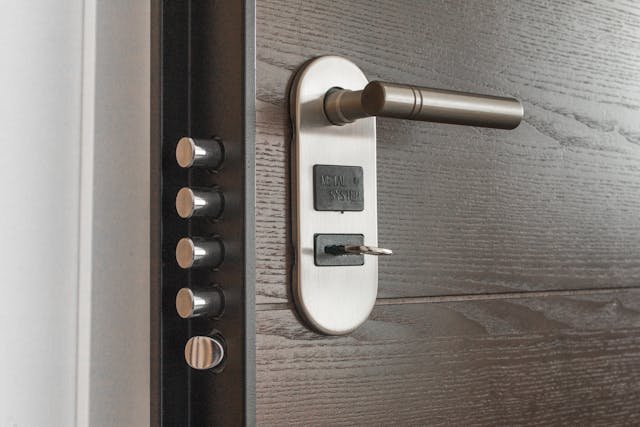
Some deadbolts are better suited for harsh climates than others. When selecting a new lock, look for models with weather-resistant finishes and seals. Stainless steel or brass components resist corrosion, while rubber gaskets help block out moisture.
For a deeper understanding of lock types and their features, you can review this guide to common deadbolt types. Choosing a lock designed for outdoor use will reduce maintenance needs and improve reliability during winter months.
Signs Your Deadbolt Needs Attention
Early detection of problems can prevent lockouts and expensive repairs. Watch for these warning signs:
- Difficulty turning the key, especially after cold nights
- Visible rust, corrosion, or pitting on the lock body
- Loose or wobbly hardware
- Unusual grinding or squeaking noises when operating the lock
If you notice any of these issues, address them promptly. Sometimes, a simple cleaning and lubrication will restore function. In other cases, you may need to replace worn components or consult a locksmith.

Advanced Tips for Long-Term Winter Lock Performance
Beyond basic maintenance, consider these strategies for optimal deadbolt lock care during winter:
- Upgrade to High-Security Locks: Modern deadbolts with advanced keyways and tamper-resistant features offer better protection and durability. For more on this, see high security keyways explained.
- Install Storm Doors: Adding a storm or screen door provides an extra barrier against wind, snow, and ice, reducing direct exposure for your locks.
- Schedule Professional Inspections: If you’re unsure about your lock’s condition, a locksmith can assess and service your hardware before winter sets in.
Common Mistakes to Avoid
Some well-intentioned actions can actually harm your locks during cold weather. Avoid these pitfalls:
- Using oil-based lubricants, which attract dirt and gum up the mechanism
- Pouring hot water on frozen locks, which can refreeze and worsen the problem
- Neglecting to check for door misalignment caused by swelling or shrinking frames
- Forcing a stuck key, risking breakage inside the cylinder
Frequently Asked Questions
How often should I lubricate my deadbolt in winter?
It’s best to lubricate your deadbolt at the start of the cold season and then once every 1–2 months, or whenever you notice stiffness. Always use a graphite or dry Teflon lubricant for best results.
What should I do if my deadbolt freezes and I can’t turn the key?
First, avoid forcing the key. Use a lock de-icer or gently warm the key before inserting it. Never pour hot water on the lock, as it may refreeze. If the problem persists, consult a locksmith for assistance.
Can winter weather permanently damage my deadbolt?
Repeated exposure to moisture, ice, and salt can cause corrosion and internal wear, eventually leading to permanent damage. Regular maintenance and choosing weather-resistant hardware will help prevent long-term issues.
Is it better to replace an old deadbolt before winter starts?
If your lock is already showing signs of wear, sticking, or corrosion, replacing it before winter can prevent unexpected lockouts. Consider models designed for outdoor durability and harsh weather conditions.
Conclusion
Proper deadbolt lock care during winter helps you avoid frustrating lockouts and keeps your home secure throughout the coldest months. By following these maintenance tips, choosing the right hardware, and addressing problems early, you can ensure your locks remain reliable and effective. For more advice on installation and long-term performance, explore topics like why deadbolts fail over time and how to measure for a deadbolt to avoid common mistakes.