


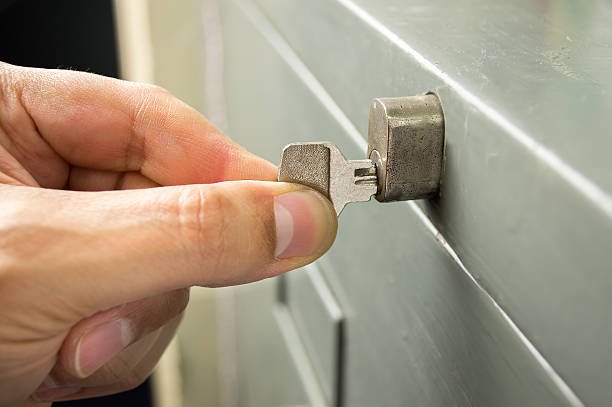
File cabinets often hold sensitive documents, making their security a top priority in offices, schools, and even home workspaces. Over time, you may need to change who has access, replace lost keys, or simply update your security without the hassle and cost of replacing the entire lock. Learning how to rekey file cabinet lock systems is a practical solution that keeps your documents safe while saving money and time.
This article provides a step-by-step guide to changing keys for your cabinet locks without swapping out the hardware. You’ll also find tips on when to call a professional, what tools you’ll need, and how to avoid common mistakes. For those interested in the mechanics behind these locks, you can learn more by reading how file cabinet locks work.
Why Rekeying Is Better Than Replacing
When you lose a key or need to restrict access, replacing the entire lock can be expensive and time-consuming. Rekeying allows you to change which key operates the lock while keeping the original hardware in place. This approach is:
- Cost-effective: No need to purchase new locks or hardware.
- Convenient: Avoids the hassle of removing and reinstalling lock mechanisms.
- Secure: Ensures old keys no longer work, providing peace of mind.
For those dealing with steel units, you may also find value in metal file cabinet lock repair guides for additional maintenance tips.
Understanding File Cabinet Lock Mechanisms
Before you begin, it’s helpful to understand the basic components of a file cabinet lock. Most cabinets use wafer tumbler locks, which are similar to those found in desk drawers and mailboxes. These locks are designed to be rekeyed, provided you have the right tools and a compatible key blank.
Key parts include:
- Lock cylinder: The main body where the key is inserted.
- Wafer tumblers: Thin metal pieces that align with the correct key.
- Retaining clip: Holds the cylinder in place inside the cabinet.
If your cabinet uses a more complex locking system, such as a three-drawer or two-drawer unit, you can find specialized advice in resources like three drawer file cabinet lock system repair or two drawer file cabinet lock repair.
Tools and Materials You’ll Need
To successfully rekey file cabinet lock mechanisms, gather the following:
- Original key (if available)
- Replacement key blank or new key set
- Small flathead screwdriver
- Needle-nose pliers
- Wafer tumbler kit (if changing wafers)
- Lubricant (optional, for smooth operation)
Having these tools ready will streamline the process and reduce the risk of damaging your cabinet.
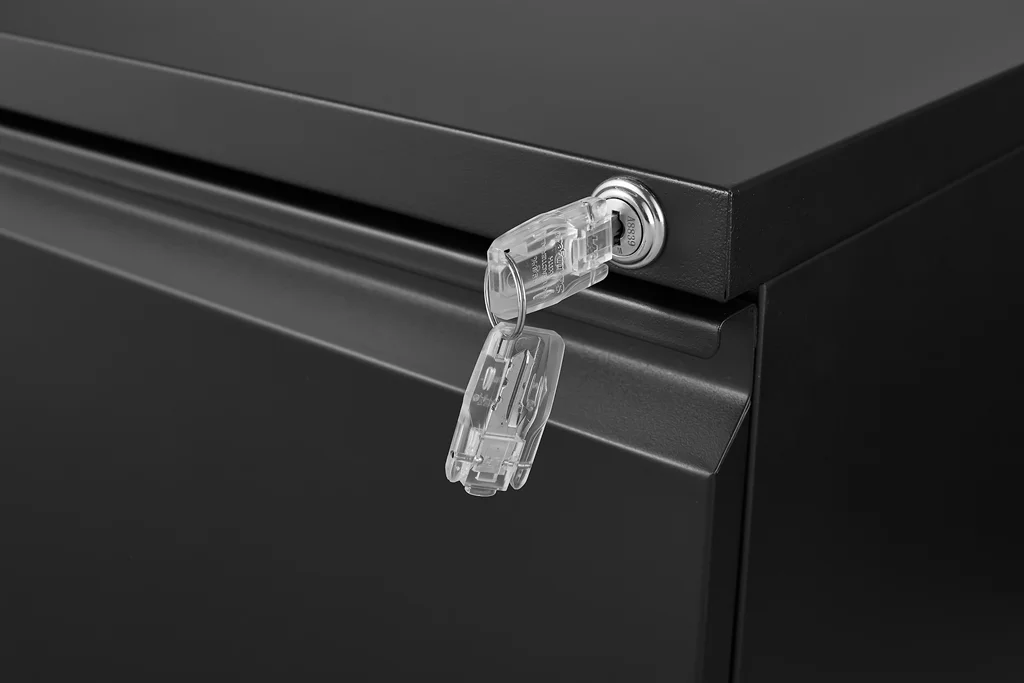
Step-by-Step Guide to Changing Your File Cabinet Key
1. Remove the Lock Cylinder
Open the cabinet drawer and locate the retaining clip at the back of the lock cylinder. Use your flathead screwdriver or pliers to gently pry off the clip. Carefully slide the cylinder out of the cabinet.
2. Disassemble the Cylinder
With the cylinder removed, insert the current key and turn it slightly to align the wafers. If you don’t have the original key, you may need to pick the lock or consult a locksmith. Once aligned, gently pull the plug from the cylinder body.
3. Replace or Rearrange the Wafers
Inside the plug, you’ll see a series of wafer tumblers. To rekey file cabinet lock systems, remove the existing wafers and insert new ones that match your new key, or rearrange them according to the new key’s pattern. Wafer kits often come with instructions for matching wafers to key cuts.
4. Reassemble and Test
Once the wafers are set, reinsert the plug into the cylinder body, ensuring everything aligns smoothly. Replace the retaining clip and slide the cylinder back into the cabinet. Test the new key several times to ensure smooth operation.
When to Call a Professional Locksmith
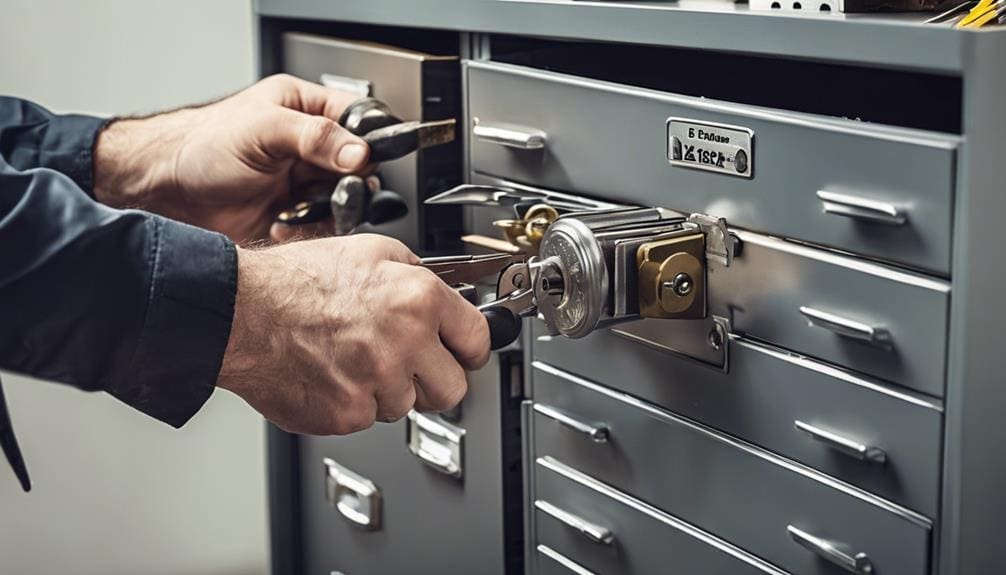
While many file cabinet locks can be rekeyed as a DIY project, there are situations where professional help is recommended:
- You don’t have the original key and can’t pick the lock safely.
- The lock is damaged, jammed, or rusted.
- You need to rekey multiple cabinets quickly and efficiently.
- The lock uses a non-standard or high-security mechanism.
Professional locksmiths have the tools and expertise to handle complex or stubborn locks, ensuring your cabinet remains secure. For more information on replacing locks entirely, see this comprehensive guide to replacing file cabinet locks.
Tips for Maintaining Your File Cabinet Lock
To keep your rekeyed lock working smoothly and extend its lifespan:
- Apply a small amount of graphite or silicone-based lubricant to the keyway every six months.
- Avoid forcing the key if it sticks; remove and inspect the lock for debris.
- Keep spare keys in a secure, designated location.
- Periodically check for loose screws or hardware on the cabinet.
Regular maintenance can help you avoid future issues and ensure your cabinet remains secure.
Common Mistakes to Avoid
Rekeying is straightforward with the right tools and patience, but watch out for these pitfalls:
- Forgetting to note the original wafer order before removal.
- Using the wrong wafer sizes or mismatched key blanks.
- Forcing the cylinder back into place, which can bend or break components.
- Neglecting to test the new key before reinstalling the lock.
If you encounter persistent problems, consult a locksmith or refer to file cabinet drawer lock repair resources for troubleshooting tips.
FAQ
Can I rekey a file cabinet lock without the original key?
It’s possible, but more challenging. You’ll need to pick the lock or use a locksmith’s tool to remove the cylinder. If you’re not experienced, it’s safer to call a professional to avoid damaging the cabinet or lock.
How often should I rekey my file cabinet?
Rekey your cabinet whenever you lose a key, change personnel, or suspect unauthorized access. Regular rekeying isn’t necessary unless your security needs change.
Is rekeying a file cabinet lock secure?
Yes, rekeying is a secure way to ensure old keys no longer work. As long as the lock mechanism is in good condition and properly rekeyed, your documents remain protected.
What if my lock is rusted or jammed?
If the lock is stuck or rusted, applying lubricant may help. However, if the problem persists, it’s best to seek help from a locksmith to avoid further damage.
Can I use any key blank for my cabinet lock?
No, you must use a key blank that matches your lock’s manufacturer and model. Using the wrong blank can damage the lock or result in a nonfunctional key.