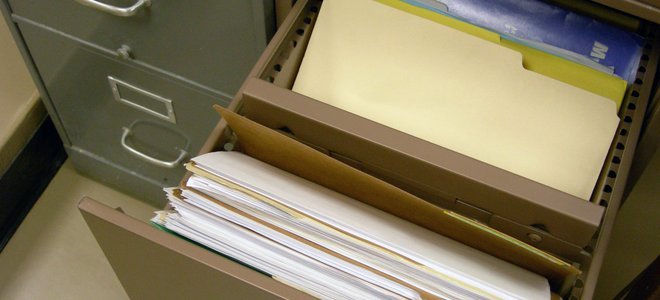
Small office file cabinets are essential for keeping documents organized and secure. However, when the lock on a two-drawer unit fails, it can disrupt workflow and compromise the safety of sensitive files. Understanding the basics of two drawer file cabinet lock repair can help you restore functionality quickly, whether you’re dealing with a stuck key, a jammed mechanism, or a broken cylinder. This article provides practical steps, troubleshooting tips, and expert advice for repairing locks on compact filing units.
Before diving into repairs, it’s useful to familiarize yourself with the mechanism inside your cabinet. If you want a deeper understanding of the locking system, check out how file cabinet locks work for a detailed overview of the internal components and their functions.
Common Issues With Two-Drawer File Cabinet Locks
Problems with file cabinet locks are common in busy offices. The most frequent issues include:
- Key won’t turn – Often caused by dirt, debris, or a worn key.
- Lock is jammed – Internal parts may be misaligned or obstructed.
- Key is stuck or broken – Forcing the key can snap it inside the cylinder.
- Lock cylinder spins freely – Indicates a loose or damaged retaining clip.
- Drawers won’t open even when unlocked – The locking bar or rods may be bent or disconnected.
Identifying the specific problem is the first step toward a successful repair. For metal cabinets, you may also want to review metal file cabinet lock repair for tips tailored to steel units.
Essential Tools and Materials for Lock Repairs
Before starting any repair, gather the following tools and supplies:
- Flathead and Phillips screwdrivers
- Needle-nose pliers
- Graphite lubricant or silicone spray
- Replacement lock cylinder (if needed)
- Small flashlight
- Drill (for severe cases only)
Having these tools on hand will make the process smoother and help prevent accidental damage to your cabinet.

Step-by-Step Guide to Fixing Two-Drawer File Cabinet Locks
Follow these steps to address the most common lock issues in small office filing units:
1. Inspect and Clean the Lock
Start by examining the lock face and keyway. Use compressed air or a small brush to remove dust and debris. Apply a small amount of graphite lubricant to the keyhole and gently work the key in and out. Avoid using oil-based lubricants, as they can attract more dirt over time.
2. Address a Stuck or Broken Key
If the key is stuck, gently wiggle it while applying slight turning pressure. For a broken key, use needle-nose pliers to extract the fragment. If the piece is deep inside, a broken key extractor tool may be necessary. Never force the key, as this can worsen the damage.
3. Tighten or Replace the Lock Cylinder
If the cylinder spins or feels loose, open the top drawer to access the rear of the lock. Locate the retaining clip or nut and tighten it with pliers or a wrench. If the lock is damaged beyond repair, remove the clip and slide out the cylinder. Install a new lock by reversing the removal steps, ensuring the cam or locking bar is properly aligned.
For more detailed instructions on this process, see file cabinet lock cylinder repair for additional guidance.
4. Realign or Repair the Locking Bar
Sometimes, the locking bar or rods inside the cabinet become bent or disconnected, preventing the drawers from opening. Remove the drawers (if possible) and inspect the mechanism. Straighten any bent parts and ensure all connections are secure. Lubricate moving parts to restore smooth operation.
5. When to Drill Out the Lock
Drilling should be a last resort, used only when the lock is completely jammed and cannot be opened by other means. Use a drill bit slightly smaller than the lock cylinder and drill straight into the keyway. Once the pins are destroyed, the lock should turn and release. Replace the lock immediately after drilling.
If you’re unsure about drilling or want to avoid damaging your cabinet, consider contacting a professional locksmith for safe, non-destructive entry.
Preventing Future Lock Problems
Proper maintenance can extend the life of your file cabinet lock and reduce the need for future repairs. Here are some practical tips:
- Lubricate the lock annually with graphite or silicone spray.
- Keep keys clean and avoid using excessive force.
- Check for loose screws or hardware during regular office cleaning.
- Replace worn or bent keys promptly.
- Train staff on proper locking and unlocking procedures.
For multi-drawer units, see three drawer file cabinet lock system repair for additional maintenance strategies.
When to Call a Professional Locksmith
While many minor issues can be handled with basic tools, some situations require expert help. Contact a locksmith if:
- The lock is severely damaged or the key is broken off deep inside.
- You’ve lost all keys and need to regain access quickly.
- The locking mechanism is complex or integrated with office security systems.
- Repeated DIY repairs have not resolved the issue.
Professional locksmiths can open cabinets without damage, rekey or replace locks, and provide advice on upgrading to more secure locking systems. If you’re interested in learning more about non-destructive entry, see this guide to opening a filing cabinet lock for additional insights.
Frequently Asked Questions
Can I Replace a File Cabinet Lock Myself?
Yes, most two-drawer cabinet locks are designed for simple replacement. With basic tools and a compatible replacement cylinder, you can remove the old lock and install a new one in under 30 minutes. Always follow the manufacturer’s instructions and ensure the new lock matches your cabinet’s specifications.
What Should I Do If My Key Breaks Inside the Lock?
If part of the key is still protruding, use needle-nose pliers to gently pull it out. For keys broken deep inside, a key extractor tool may be needed. Avoid using glue or sharp objects, as these can damage the lock further. If extraction fails, consult a locksmith.
How Can I Prevent My File Cabinet Lock From Jamming?
Regularly clean and lubricate the lock, avoid using worn or bent keys, and ensure the locking bar mechanism is free of dust and debris. Proper maintenance and gentle handling will minimize the risk of jams and prolong the life of your lock.
Conclusion
Addressing problems with small office cabinet locks doesn’t have to be overwhelming. By understanding the most common issues, using the right tools, and following step-by-step repair instructions, you can restore security and access to your important documents. For persistent or complex problems, don’t hesitate to reach out to a qualified locksmith for assistance. With regular care and prompt repairs, your two-drawer filing unit will continue to serve your office reliably for years to come.