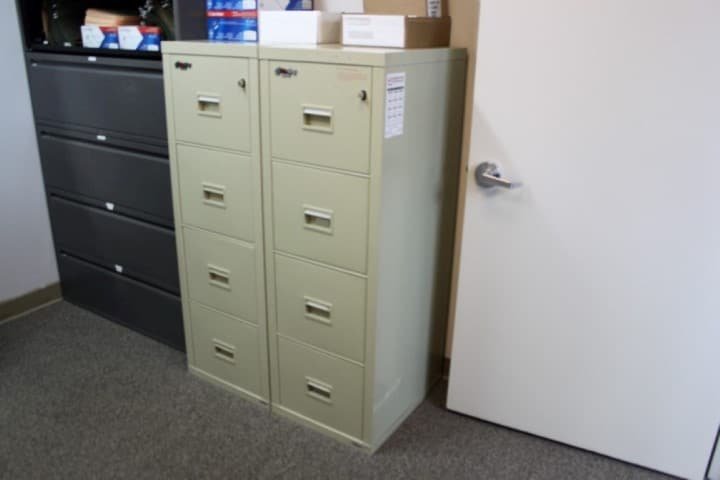
Stuck or malfunctioning file cabinet drawers can be a real headache, especially when you need quick access to important documents. Over time, locks and sliding mechanisms in office cabinets may wear out, become misaligned, or jam due to dust and debris. Fortunately, many common issues with file cabinet drawer locks can be resolved with straightforward troubleshooting and basic tools. This guide covers practical steps for restoring smooth operation and secure locking, helping you avoid unnecessary frustration or costly replacements.
Whether you’re dealing with a single jammed drawer or a lock that won’t turn, understanding the basics of file cabinet drawer lock repair can save time and money. We’ll walk through the most frequent problems, offer step-by-step solutions, and highlight when it’s best to seek professional help. If you’re working with a multi-drawer unit, you might also find value in this three drawer file cabinet lock system repair resource for more specialized guidance.
Common Causes of Drawer Lock and Sliding Issues
Before diving into repairs, it’s helpful to understand what typically causes file cabinet drawers to stick or locks to fail. Some of the most frequent culprits include:
- Misaligned lock bars or rods that prevent the drawer from opening or closing smoothly.
- Accumulation of dust, dirt, or debris inside tracks or around the locking mechanism.
- Worn or bent keys that no longer engage the lock properly.
- Damaged or broken lock cylinders making it impossible to secure the cabinet.
- Loose mounting screws or hardware causing the lock to shift out of place.
Identifying the root cause is the first step toward a successful drawer lock repair and restoring smooth sliding action.
Step-by-Step Solutions for File Cabinet Drawer Lock Repair
Many file cabinet lock and sliding problems can be fixed with a few simple tools and a methodical approach. Here’s how to address the most common issues:
1. Cleaning and Lubricating the Tracks
Dust and debris often accumulate in the drawer tracks, causing resistance and making the lock feel stiff. To resolve this:
- Remove the drawer completely if possible by extending it fully and lifting it out of the cabinet.
- Use a vacuum or compressed air to clear out dust and particles from the tracks and locking area.
- Apply a silicone-based lubricant (avoid oil-based products) to the tracks and moving parts. Wipe away any excess to prevent future buildup.
- Reinstall the drawer and test for smooth sliding and proper lock engagement.
2. Adjusting or Replacing the Lock Cylinder
If the key turns with difficulty or the lock won’t engage, the cylinder may be worn or misaligned. Try the following:
- Open the drawer and locate the retaining clip or screw holding the lock cylinder in place.
- Remove the retaining mechanism and gently pull out the cylinder.
- Inspect for visible damage or excessive wear. If necessary, replace the cylinder with a compatible model.
- Reinstall the cylinder, ensuring it sits flush and aligns with the locking bar.
- Test the lock with the key to confirm smooth operation.
For a more detailed breakdown of this process, see the file cabinet lock cylinder repair guide.
3. Realigning the Locking Bar or Rod
Many cabinets use a metal bar or rod to secure all drawers when locked. If this bar is bent or out of alignment, drawers may not open or close properly:
- With the cabinet unlocked, remove the affected drawer to access the locking bar.
- Check for bends, warping, or loose connections.
- Gently straighten any bent sections with pliers and tighten loose screws or bolts.
- Lubricate the bar lightly and reassemble the drawer.
- Test the lock and sliding action to ensure the issue is resolved.

When to Replace Versus Repair
While many lock and drawer issues can be fixed with basic maintenance, there are times when replacement is the best option. Consider replacing the lock or drawer mechanism if:
- The lock cylinder is cracked or severely worn.
- The key is broken off inside the lock and cannot be extracted.
- The sliding mechanism is rusted beyond repair or missing components.
- Security requirements have changed, and a higher-grade lock is needed.
For step-by-step instructions on upgrading or replacing locks, consult this comprehensive file cabinet lock replacement guide. If you’re dealing with a steel cabinet, you may also benefit from these specialist tips for metal file cabinet lock repair.
Preventive Maintenance for Long-Term Performance
Regular upkeep is the best way to avoid future problems with file cabinet locks and drawers. Here are some preventive measures to keep your office storage running smoothly:
- Clean tracks and locking mechanisms every few months to remove dust and debris.
- Lubricate moving parts with a non-greasy, silicone-based spray.
- Check and tighten mounting screws and hardware periodically.
- Replace worn or bent keys before they damage the lock cylinder.
- Keep spare keys in a secure, accessible location in case of emergencies.
By following these simple steps, you can extend the life of your cabinet and minimize disruptions to your workflow.
Professional Help for Complex Lock Problems
Some lock issues are too complex or risky to tackle without expert assistance. If you encounter:
- Locks that have been tampered with or show signs of forced entry
- Lost keys with no available spares
- Cabinets containing sensitive or valuable documents
- Broken locking bars or mechanisms you can’t access
It’s wise to contact a qualified locksmith. Professional technicians have the tools and experience to resolve even the most challenging problems quickly and securely. For urgent situations, you can reach out to a local locksmith service for immediate support.
If your lock is damaged beyond repair or you’re unsure how to proceed, you may also want to review this broken file cabinet lock solution for additional troubleshooting tips and security advice.
Frequently Asked Questions
How do I know if my file cabinet lock needs repair or replacement?
If the key is difficult to turn, the lock doesn’t engage, or the drawer is stuck even when unlocked, a repair may be possible. However, if the cylinder is cracked, the key is broken inside, or the mechanism is rusted or missing parts, replacement is usually the best option.
Can I repair a file cabinet lock myself, or should I call a locksmith?
Many minor issues, such as cleaning tracks or tightening screws, can be handled with basic tools. For more complex problems like broken cylinders, lost keys, or security upgrades, it’s safer to consult a professional locksmith.
What tools do I need for basic file cabinet lock repairs?
Common tools include a screwdriver, pliers, lubricant spray, and sometimes a replacement lock cylinder. Always check your cabinet’s manual for specific instructions and recommended products.
Where can I find more information about removing or upgrading file cabinet locks?
For step-by-step instructions on removing locks, see this simple DIY removal guide. For advice on upgrading security or replacing locks, refer to the external resources linked above.