A malfunctioning file cabinet lock can disrupt your workflow, compromise sensitive documents, and create unnecessary frustration. Whether the key is stuck, the cylinder spins freely, or the lock simply won’t engage, addressing these issues promptly is crucial for both security and convenience. This guide covers everything you need to know about file cabinet lock cylinder repair, including common causes of failure, step-by-step solutions, and when to call a professional.
Restoring the functionality of your cabinet lock doesn’t always require a complete replacement. In many cases, a careful repair can save time and money while extending the lifespan of your storage unit. For those managing office environments or home filing systems, understanding the basics of lock cylinder maintenance is a valuable skill.
If you’re interested in a more comprehensive approach to office security, consider exploring office file cabinet lock repair for professional solutions tailored to work environments. This resource offers further insights into maintaining and upgrading your locking systems.
Understanding File Cabinet Lock Cylinder Issues
File cabinet locks are designed for frequent use, but over time, wear and tear can lead to several common problems. Recognizing the symptoms early can help you decide whether a simple fix or a more involved file cabinet lock cylinder repair is needed.
- Key won’t turn: This could be due to debris inside the cylinder, misaligned pins, or a bent key.
- Cylinder spins freely: Often a sign that the retaining clip or cam has come loose or broken.
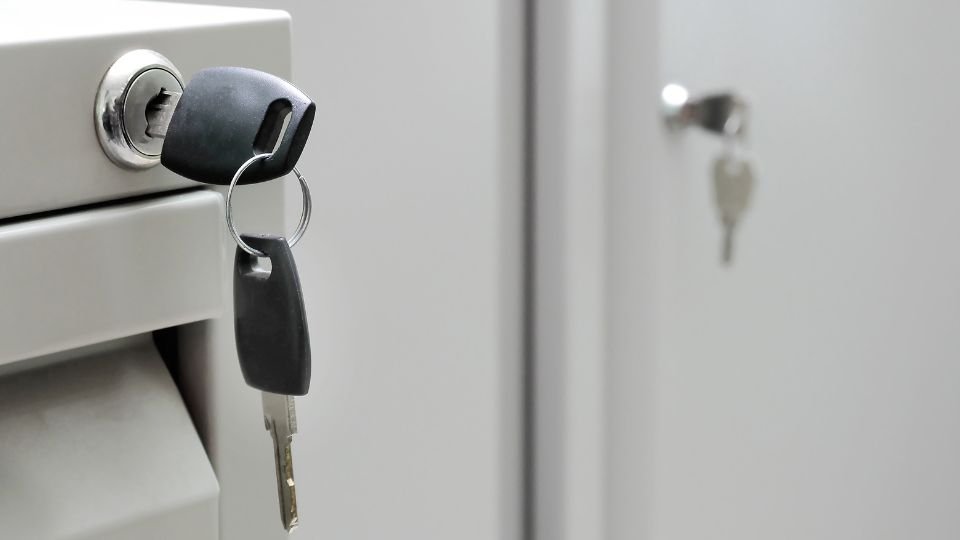
- Key stuck in lock: Worn pins or a damaged key can cause this frustrating issue. For extraction tips, see file cabinet key stuck in lock.
- Lock does not engage: Internal components may be misaligned, or the locking bar could be obstructed.
Before attempting any repairs, ensure you have the correct key and that the cabinet is empty to avoid accidental damage.
Essential Tools for Repairing Lock Cylinders
Having the right tools on hand makes the repair process smoother and safer. Here’s what you’ll typically need:
- Flathead and Phillips screwdrivers
- Needle-nose pliers
- Lubricant (graphite or silicone-based, not oil-based)
- Replacement cylinder or cam (if needed)
- Small flashlight for visibility
If you’re unsure about any step, consulting a locksmith or referencing a detailed DIY guide for repairing a broken filing cabinet lock can provide additional clarity.
Step-by-Step Guide to File Cabinet Lock Cylinder Repair
Follow these steps to restore your cabinet lock’s functionality. Always work gently to avoid damaging delicate components.
- Remove the lock cylinder: Open the cabinet and locate the retaining clip or screw at the back of the lock. Use pliers or a screwdriver to release it, then gently slide the cylinder out.
- Inspect for visible damage: Check for bent or broken parts, worn pins, or debris inside the cylinder. If the cam or retaining clip is damaged, replacement may be necessary.
- Clean and lubricate: Blow out dust and debris using compressed air. Apply a small amount of graphite or silicone lubricant to the keyway and moving parts.
- Reassemble and test: Reinsert the cylinder, secure it with the retaining clip or screw, and test the lock with the key. Ensure smooth operation before closing the cabinet.
- Replace if needed: If the cylinder is beyond repair, purchase a compatible replacement. Installation typically involves reversing the removal steps.
For more troubleshooting tips, visit the file cabinet lock troubleshooting page for detailed solutions to a variety of lock issues.
When to Seek Professional Help
While many minor issues can be resolved with basic tools and patience, some situations require expert intervention:
- The lock is severely damaged or jammed
- Keys are lost and no spare is available
- Security requirements demand high-quality repairs
- Repeated failures after DIY attempts
A professional locksmith can quickly diagnose complex problems, provide secure replacements, and ensure your cabinet meets workplace safety standards. If you’re weighing the pros and cons of fixing versus replacing your lock, the article on file cabinet lock replacement vs repair offers helpful guidance.
Preventive Maintenance for Long-Lasting Lock Performance
Regular care can extend the life of your cabinet lock and reduce the need for frequent repairs. Here are some practical tips:
- Clean the keyway periodically to prevent dust buildup
- Lubricate moving parts every 6–12 months with a non-oil-based product
- Avoid using excessive force when turning the key
- Replace worn or bent keys promptly
- Check for loose screws or hardware during routine office maintenance
If you encounter a stuck lock, refer to how to open stuck file cabinet lock for quick and effective solutions before attempting a full repair.
Frequently Asked Questions
What causes a file cabinet lock cylinder to stop working?
Common causes include accumulated dirt or debris, worn internal pins, a bent or damaged key, or a loose retaining clip. Regular use and lack of maintenance can accelerate these issues.
Can I repair a file cabinet lock cylinder myself, or should I call a locksmith?
Many minor problems, such as cleaning and lubricating the cylinder or tightening loose hardware, can be handled at home with basic tools. However, if the lock is severely damaged, the key is broken inside, or security is a concern, it’s best to consult a professional.
How do I know if I need to replace the lock instead of repairing it?
If the cylinder is cracked, the internal components are extensively worn, or repeated repairs have failed, replacement is the safest and most reliable option. For more guidance, see the comparison of file cabinet lock replacement vs repair.
Is it safe to lubricate a file cabinet lock with oil?
No, oil-based lubricants can attract dust and gum up the mechanism. Use graphite or silicone-based lubricants for best results.
Conclusion
Proper file cabinet lock cylinder repair can restore the security and convenience of your storage solutions without the cost of full replacement. By understanding the common causes of lock failure, using the right tools, and knowing when to seek expert help, you can keep your documents safe and your office running smoothly. Regular maintenance and prompt attention to minor issues will help prevent bigger problems down the line.