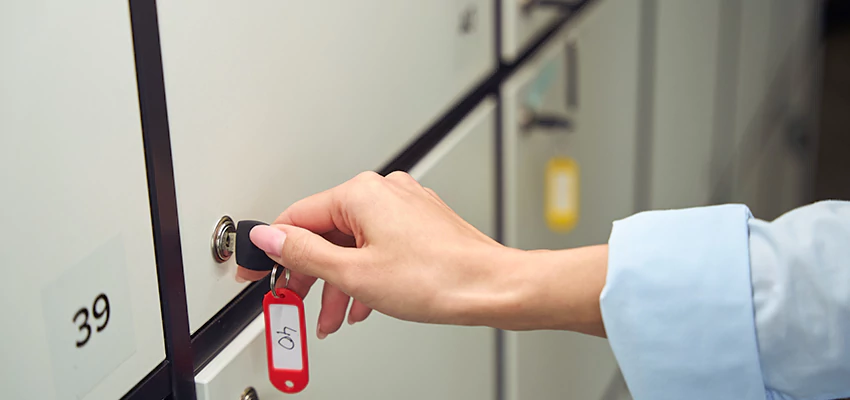
When a file cabinet lock malfunctions, it can disrupt daily operations and compromise the security of sensitive documents. Understanding the most common lock issues and how to address them is essential for maintaining both convenience and safety in your workspace. This guide offers practical advice on file cabinet lock troubleshooting, helping you identify problems and apply effective solutions—whether you’re dealing with a stuck key, a jammed mechanism, or a lock that simply won’t turn.
Before diving into specific fixes, it’s important to recognize that not all lock problems require professional intervention. Many can be resolved with a few simple tools and a methodical approach. However, for persistent or complex issues, consulting a locksmith may be the safest option. For more detailed repair strategies, you can refer to the locked file cabinet repair guide for step-by-step instructions on gaining access without causing damage.
Common File Cabinet Lock Problems and Their Causes
File cabinet locks are subject to frequent use, which can lead to a range of mechanical and key-related issues. Here are some of the most frequent problems encountered:
- Key won’t turn: This often results from misaligned pins, debris inside the lock, or a worn-out key.
- Stuck or jammed lock: Accumulated dust, rust, or a bent locking bar can prevent smooth operation.
- Broken key inside lock: Keys can snap due to excessive force or metal fatigue, leaving fragments inside the cylinder.
- Lock cylinder spins freely: This usually indicates a detached or damaged retaining clip or cam at the back of the lock.
- Drawer won’t open even when unlocked: Internal mechanisms may be misaligned, or the locking rod could be obstructed.
Identifying the root cause is the first step in effective file cabinet lock troubleshooting. Sometimes, a simple visual inspection can reveal obvious issues, such as a bent key or visible debris.
Step-by-Step Guide to Diagnosing Lock Issues
To resolve lock problems efficiently, follow these steps:
- Inspect the key: Check for bends, cracks, or wear. Try a spare key if available.
- Examine the lock cylinder: Look for dirt, rust, or foreign objects. Use a flashlight for better visibility.
- Test the lock mechanism: Gently wiggle the key while turning. If it feels gritty or stuck, lubrication may help.
- Check the locking bar and rods: Open the cabinet (if possible) and inspect the internal components for misalignment or blockage.
- Assess for broken parts: If the lock spins or feels loose, the retaining clip or cam may be damaged or detached.
For more advanced fixes, such as replacing a lock or realigning internal rods, you might want to consult a file cabinet lock repair resource for detailed guidance.

DIY Solutions for Stuck or Malfunctioning Locks
Many lock issues can be resolved with basic tools and a careful approach. Here are some practical troubleshooting steps:
Lubricating the Lock Cylinder
If the key is difficult to turn or the lock feels gritty, apply a graphite-based lubricant to the keyhole. Avoid oil-based products, as they can attract dust and worsen the problem. Insert the key and turn it gently several times to distribute the lubricant.
Removing a Broken Key
If a key fragment is stuck inside the lock, use needle-nose pliers or a broken key extractor to carefully remove it. Avoid using excessive force, which could damage the cylinder. If the fragment is deeply lodged, professional assistance may be necessary.
Realigning the Locking Mechanism
For cabinets where the lock turns but the drawer remains closed, the locking bar or rods may be out of alignment. Open the cabinet (if possible) and inspect the mechanism. Gently adjust the rods back into place, ensuring they move freely when the lock is operated.
For a comprehensive walkthrough on fixing common issues, visit the how to fix file cabinet lock guide for step-by-step instructions.
When to Seek Professional Help
While many lock problems can be resolved with DIY methods, certain situations call for expert intervention:
- The lock is severely damaged or corroded.
- Multiple drawers are affected, indicating a systemic issue.
- Security is a top priority, and you need to ensure the lock is fully restored.
- Repeated DIY attempts have not resolved the problem.
Professional locksmiths have the tools and expertise to handle complex repairs, rekeying, or full lock replacements. They can also advise on upgrading to more secure locking systems if needed.

Preventive Maintenance for File Cabinet Locks
Regular maintenance can help prevent many common lock issues. Here are some tips to keep your cabinet locks in optimal condition:
- Clean the lock cylinder periodically with compressed air to remove dust and debris.
- Apply a graphite-based lubricant every few months to ensure smooth operation.
- Inspect keys for signs of wear and replace them if they become bent or damaged.
- Avoid forcing the key if the lock resists turning; investigate the cause instead.
- Check the alignment of locking bars and rods during routine office maintenance.
Implementing these practices can extend the lifespan of your locks and reduce the likelihood of unexpected failures. For more in-depth advice on restoring smooth operation, see the repair file cabinet lock mechanism article.
Upgrading or Replacing File Cabinet Locks
If your lock is outdated or repeatedly malfunctions, upgrading may be the best solution. Modern file cabinet locks offer improved security and durability. The installation process is straightforward for most standard cabinets, but it’s important to select a lock compatible with your cabinet model.
For a detailed installation guide, refer to this step-by-step tutorial on installing a filing cabinet lock from a trusted manufacturer. Upgrading can also be an opportunity to switch to keyless or electronic locks for added convenience and security.
Frequently Asked Questions
What should I do if my file cabinet key is stuck and won’t turn?
First, check if the key is bent or worn. Try a spare key if available. If the lock feels gritty, apply a graphite-based lubricant. Avoid forcing the key, as this can cause it to break. If the issue persists, the lock may need to be disassembled and cleaned or replaced.
Can I fix a file cabinet lock that spins freely?
A freely spinning lock usually means the retaining clip or cam at the back is detached or broken. Access the back of the lock (from inside the drawer if possible) to inspect and reattach or replace the faulty part. If you’re unable to access or repair it, a locksmith can help.
How can I prevent file cabinet locks from jamming in the future?
Regularly clean and lubricate the lock cylinder, avoid using excessive force, and inspect keys for damage. Periodically check the alignment of internal locking rods and bars. Preventive maintenance is key to avoiding future jams and ensuring reliable operation.