When a file cabinet lock jams or breaks, it can disrupt your workflow and compromise the security of sensitive documents. Whether you’re dealing with a stuck key, a spinning lock core, or a lock that simply won’t open, understanding the basics of file cabinet lock repair can save you time, money, and frustration. This article provides clear steps for diagnosing common issues, practical repair solutions, and advice on when to call a professional locksmith.
For those seeking more detailed troubleshooting, the locked file cabinet repair guide offers additional strategies for regaining access without causing damage.
Common Problems With Filing Cabinet Locks
File cabinet locks are designed for frequent use, but over time, wear and tear or accidental damage can lead to a range of issues. Here are some of the most frequent problems:
- Key won’t turn: This can be caused by debris inside the lock, a bent key, or internal mechanism failure.
- Key stuck in the lock: Often due to worn tumblers or a misaligned lock core.
- Lock spins freely: Indicates a disconnected or broken locking cam.
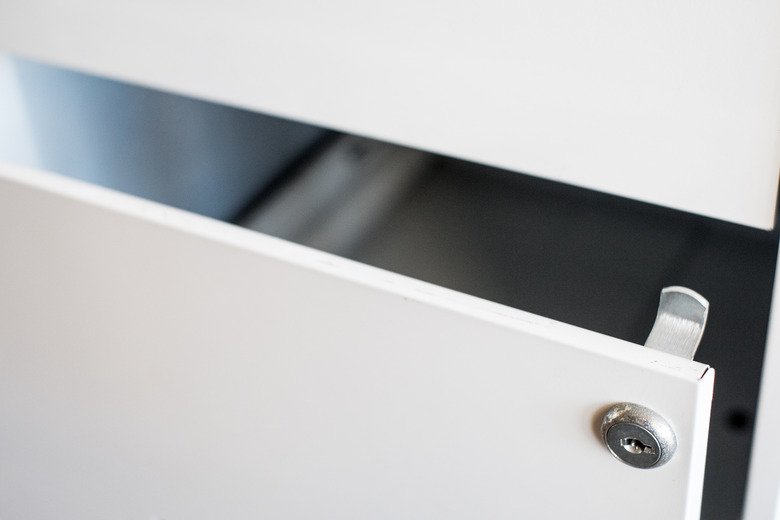
- Drawer won’t open even when unlocked: Sometimes the locking bar or mechanism is jammed.
- Lost or broken keys: Prevents access and may require lock replacement or rekeying.
Identifying the specific issue is the first step toward effective file cabinet lock repair. In many cases, simple fixes can restore functionality without the need for a full lock replacement.
DIY Solutions for Stuck or Broken File Cabinet Locks
If you’re comfortable with basic tools and want to attempt a repair yourself, there are several steps you can take before calling a locksmith. Always start by ensuring you have the correct key and that it’s not bent or damaged.
Lubricating the Lock Cylinder
Dust, grime, or lack of lubrication can cause the lock mechanism to seize. Use a graphite-based lubricant or a silicone spray (never oil-based products, as they attract dust) and insert it into the keyway. Gently wiggle the key to distribute the lubricant. This simple step can resolve many minor sticking issues.
Removing a Stuck Key
If the key is stuck, avoid using excessive force. Instead, try gently wiggling the key while pulling it out. If it remains jammed, use a pair of needle-nose pliers for extra grip, but be careful not to snap the key. Sometimes, lubricating the lock as described above can help release the key.
Addressing a Spinning Lock Core
A lock that spins without engaging the mechanism usually means the cam or retainer clip at the back has come loose. To fix this, you’ll need to:
- Open the cabinet (if possible) and access the rear of the lock.
- Check if the cam is detached or broken.
- Reattach or replace the cam using a compatible part from a hardware store.
If you cannot access the lock from the rear, professional help may be necessary.
Drawer Won’t Open Even When Unlocked
Sometimes, the locking bar inside the cabinet can become misaligned or jammed. Try gently rocking the cabinet while pulling the drawer. If this doesn’t work, inspect the underside of the drawer for obstructions or bent components.
For a more detailed walkthrough, the how to fix file cabinet lock resource provides a step-by-step approach to common repairs.
When to Call a Professional for File Cabinet Lock Issues
While many minor lock problems can be resolved with DIY methods, some situations require expert attention. Consider contacting a locksmith if:
- The lock is severely damaged or the key has broken off inside.
- You’ve lost all keys and need urgent access to important documents.
- The lock mechanism is unique or high-security, making self-repair risky.
- Repeated DIY attempts have not resolved the issue.
Professional locksmiths can quickly diagnose problems, extract broken keys, rekey or replace locks, and ensure your cabinet’s security is restored. For urgent assistance, use the contact options provided above.
Preventive Maintenance for Filing Cabinet Locks
Regular maintenance can extend the life of your cabinet locks and reduce the likelihood of future problems. Here are some practical tips:
- Lubricate the lock cylinder every 6–12 months with graphite or silicone spray.
- Inspect keys for wear and replace them if they become bent or cracked.
- Avoid slamming drawers, as this can misalign the locking mechanism.
- Keep the lock area clean and free of dust or debris.
- Store spare keys in a secure, accessible location.
For additional security advice, see the guide on how to store spare key fob at home for best practices in key management.
Choosing the Right Replacement Lock
If your lock is beyond repair, selecting a suitable replacement is essential. Consider the following:
- Compatibility: Ensure the new lock matches your cabinet’s make and model.
- Security level: Choose between basic cam locks or higher-security tubular or electronic locks.
- Ease of installation: Many replacement locks are designed for simple DIY installation.
For a step-by-step overview of replacing a lock, refer to this DIY guide on repairing a broken filing cabinet lock for practical advice and safety tips.
Frequently Asked Questions
How do I remove a broken key from a file cabinet lock?
Use needle-nose pliers to gently grip and pull the broken key fragment. If it’s lodged deep inside, a small jigsaw blade or a broken key extractor tool can help. Avoid using excessive force to prevent further damage. If unsuccessful, a locksmith can safely extract the key.
Can I rekey my file cabinet lock instead of replacing it?
Yes, many file cabinet locks can be rekeyed, especially if you want to use a new key without changing the entire lock. This process is best handled by a locksmith, who can match the new key to your existing lock cylinder.
What should I do if my file cabinet lock keeps sticking?
Regular lubrication with graphite or silicone spray can help. If the problem persists, inspect the key for damage and check for debris inside the lock. Persistent sticking may indicate internal wear, which could require repair or replacement.