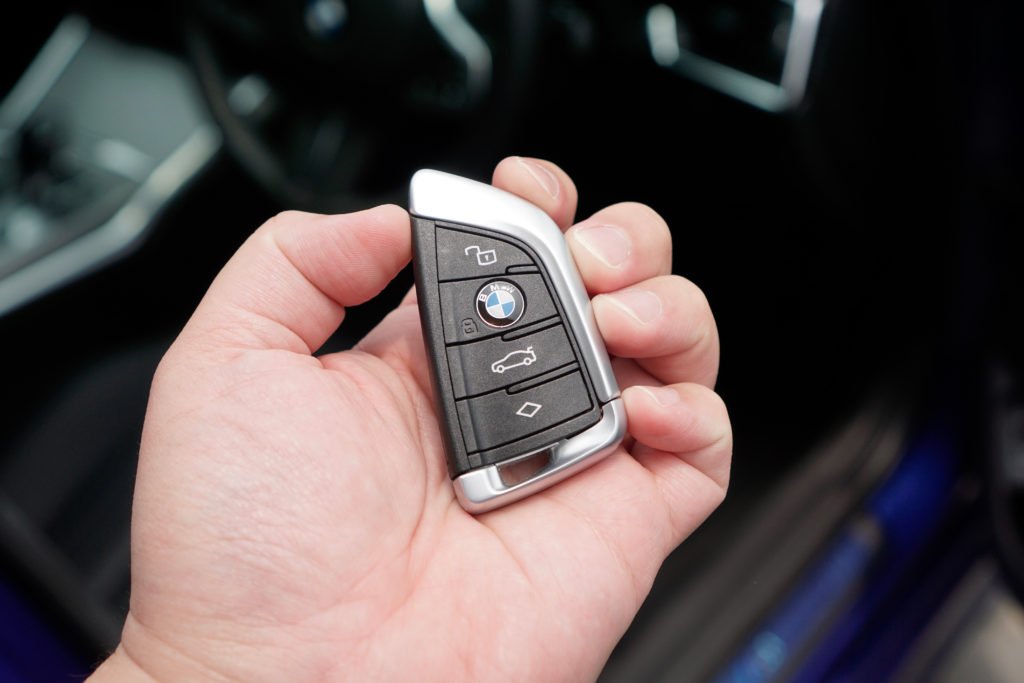
Keeping a backup car key fob at home is a smart move, but it’s important to store it in a way that protects both your vehicle and your peace of mind. Modern key fobs offer convenience, yet they also introduce new security risks if not handled properly. Understanding the best practices for how to store spare key fob at home can help you avoid theft, accidental lockouts, and unnecessary stress.
In this guide, you’ll find practical steps for safeguarding your spare fob, tips for choosing the right hiding spot, and advice on reducing the risk of unauthorized access. We’ll also cover common mistakes to avoid and answer frequently asked questions about key fob storage. For those interested in broader security topics, you can learn more about licensed locksmith service transparency rules to ensure you’re working with trusted professionals.
Why Proper Spare Key Fob Storage Matters
Storing a backup fob at home isn’t just about convenience—it’s a critical part of your home and vehicle security. Keyless entry systems can be vulnerable to relay attacks, where thieves use electronic devices to intercept or amplify the signal from your fob. If a spare is left in an obvious or insecure place, it could make your car an easy target.
Additionally, misplacing or damaging your backup fob can leave you stranded in an emergency. By following best practices for safe key fob storage at home, you reduce these risks and ensure you’re prepared for unexpected situations.
Choosing the Right Location for Your Backup Fob
Where you keep your spare matters as much as how you store it. Here are some guidelines for selecting a secure spot:
- Avoid Obvious Hiding Places: Don’t leave your spare in common spots like under the doormat, inside a kitchen drawer, or in a bowl by the front door. These are the first places intruders check.
- Opt for a Lockable Container: Use a small safe, lockbox, or a lockable drawer. This adds a layer of protection against both theft and accidental discovery by children or guests.
- Keep It Away from Entry Points: Store your backup fob away from doors and windows to reduce the risk of signal interception or quick theft during a break-in.
- Consider Signal-Blocking Options: If you have a push-to-start vehicle, a signal-blocking (Faraday) box or pouch can prevent relay attacks by blocking the fob’s radio frequency signal.
Best Practices for Storing a Spare Key Fob at Home
Implementing a few simple habits can make all the difference in keeping your backup fob secure:
- Use a Faraday Container: Place your spare in a Faraday box or pouch when not in use. This prevents the fob from emitting a signal that could be intercepted by thieves.
- Label Discreetly: If you have multiple fobs or keys, use a code or symbol rather than writing “car key” on the label. This keeps things organized without advertising what the item is.
- Limit Access: Only share the location of your backup with trusted household members. Avoid telling guests or acquaintances where it’s stored.
- Check Battery Health: Periodically test the spare to ensure the battery hasn’t died. Replace the battery as needed to avoid surprises during emergencies.
- Keep Away from Electronics: Don’t store your fob near wireless routers, microwaves, or other devices that could interfere with its signal or drain its battery over time.
Common Mistakes to Avoid with Spare Key Fobs
Even well-intentioned car owners can make mistakes that put their vehicles at risk. Here are some pitfalls to avoid:
- Leaving the Fob in Your Car: Never store your backup in the glove compartment or trunk. If your car is stolen, the thief gets both your vehicle and the spare.
- Using Predictable Hiding Spots: Avoid places like under mattresses, in the freezer, or taped to the underside of furniture. These are commonly searched by burglars.
- Neglecting to Update Storage: If you move or renovate, reassess your storage location. What was once a secure spot may become more obvious or accessible.
- Ignoring Security Upgrades: As technology evolves, so do theft techniques. Stay informed about new threats and consider upgrading your storage methods accordingly.
Advanced Tips for Enhanced Key Fob Security
For those looking to go beyond the basics, consider these advanced strategies:
- Install a Home Security System: A monitored alarm system adds another barrier against intruders who might target your backup fob.
- Use a Diversion Safe: These are everyday objects (like books or cans) designed to hide valuables in plain sight. Just make sure they’re not too obvious.
- Rotate Storage Locations: Change the hiding spot of your spare periodically. This makes it harder for anyone to guess where it’s kept if your home’s security is ever compromised.
- Consult a Locksmith: For personalized advice, a professional can assess your home and recommend the best storage solutions. If you need assistance, don’t hesitate to reach out to a local expert.
For more in-depth information on car key technology and security, check out this comprehensive guide to car keys.
When to Update or Replace Your Spare Key Fob
Even with the best storage practices, there are times when you should consider updating your backup:
- After a Security Breach: If your home is broken into or you suspect someone has discovered your hiding spot, replace your spare and change its location.
- When You Change Vehicles: Don’t forget to update your backup if you buy a new car. Dispose of old fobs securely to prevent misuse.
- If the Fob Is Lost or Damaged: Replace it promptly to maintain your emergency preparedness.
For guidance on handling insurance claims related to lost or stolen keys, you may find this licensed locksmith insurance claim assistance resource helpful.
Frequently Asked Questions
Where should I never store a spare key fob at home?
Avoid leaving your backup in obvious places like under doormats, inside unlocked drawers, or anywhere near entry points. These spots are easily discovered by intruders and put your vehicle at risk.
Is a Faraday box necessary for a spare fob?
While not strictly required, using a Faraday box or pouch is a highly effective way to block the fob’s signal and prevent electronic theft. It’s a worthwhile investment for anyone with a push-to-start vehicle.
How often should I check the battery in my spare key fob?
Test your backup every few months and replace the battery at least once a year, or sooner if you notice reduced range or reliability. This ensures your spare is ready when you need it.
Conclusion
Storing a backup car key fob at home requires more than just finding a hiding spot. By following the strategies outlined here, you can protect your vehicle from theft, ensure your spare is always ready, and enjoy greater peace of mind. Remember to use secure containers, avoid predictable locations, and stay informed about the latest security threats. If you ever need professional help, reliable locksmiths are available to assist you with all aspects of key and home security.