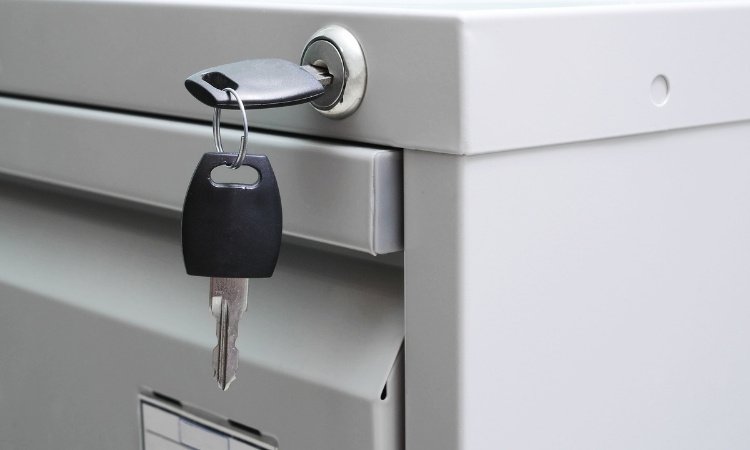
File cabinets are essential for keeping documents organized and secure, but a stuck or broken lock can quickly become a hassle. Whether you’re dealing with a jammed mechanism, a lost key, or a lock that won’t turn, knowing how to fix file cabinet lock issues can save you time and money. This guide provides clear, practical steps to help you restore your cabinet’s security without calling a professional for every minor problem.
Before diving into repairs, it’s important to identify the type of lock and the specific issue you’re facing. Some problems can be resolved with basic tools and a little patience, while others may require a replacement lock or professional help. For those who want to avoid damage and gain access efficiently, the locked file cabinet repair guide is another valuable resource to consult.
Common Problems With File Cabinet Locks
Understanding the most frequent issues is the first step in resolving them. Here are some typical problems people encounter with filing cabinet locks:
- Key won’t turn: Dirt, misalignment, or worn tumblers can prevent the key from rotating.
- Key is stuck or broken: Forcing the key can cause it to snap or become jammed inside the lock.
- Lock is loose or spinning: The lock cylinder may have come loose from the cabinet body.
- Lost or missing key: Without a spare, you may need to pick the lock or replace it entirely.
- Lock won’t engage: Internal parts may be damaged or misaligned, preventing the mechanism from securing the drawer.
By identifying the exact problem, you can choose the best approach and avoid unnecessary damage to your cabinet.
Tools and Materials You’ll Need
Before starting any repair, gather the following items to make the process smoother:
- Flathead and Phillips screwdrivers
- Needle-nose pliers
- Lubricant (such as graphite powder or silicone spray)
- Replacement lock (if needed)
- Small flashlight
- Paperclip or lock pick set (for opening a locked cabinet without a key)
Having these tools on hand ensures you’re prepared for most common issues with file cabinet locks.
Step-by-Step Instructions for Repairing a Filing Cabinet Lock
Follow these steps to address the most frequent lock problems. Always work gently to avoid damaging the cabinet or lock components.
1. Lubricate the Lock Mechanism
If the key won’t turn or feels stiff, dirt and debris may be the culprit. Spray a small amount of lubricant into the keyhole. Insert and remove the key several times to distribute the lubricant. Avoid using oil-based products, as they can attract more dust over time.
2. Remove a Stuck or Broken Key
If a key is stuck or has broken off inside the lock, use needle-nose pliers to gently pull it out. If only a small piece is visible, a pair of tweezers or a broken key extractor tool can help. Avoid forcing the key, as this can worsen the situation.

3. Tighten a Loose or Spinning Lock Cylinder
If the lock turns but doesn’t engage, or the cylinder spins in place, it may have come loose. Open the cabinet drawer and locate the retaining clip or nut on the back of the lock. Use pliers or a screwdriver to tighten it. If the clip is damaged, a replacement may be necessary.
4. Open a Locked Cabinet Without a Key
For cabinets with a lost key, you can try using a paperclip or a lock pick set to gently manipulate the pins inside the lock. Insert the tool and apply light pressure while turning. If you’re unable to open it, consider consulting a professional to avoid damaging the lock or cabinet. For more tips, check out the locked file cabinet repair guide.
5. Replace a Damaged or Non-Functional Lock
If the lock is beyond repair, replacing it is often the best solution. Here’s how:
- Open the cabinet and locate the retaining clip or nut on the back of the lock.
- Remove the clip or nut with pliers or a screwdriver.
- Slide the old lock out from the front of the drawer.
- Insert the new lock, making sure it aligns with the locking mechanism.
- Secure the new lock with the retaining clip or nut.
- Test the new lock with its key to ensure smooth operation.
For a detailed walkthrough, consider reviewing the step-by-step cabinet lock replacement guide for additional tips and visuals.

Preventing Future Lock Issues
Once your cabinet lock is working again, a few simple habits can help prevent future problems:
- Lubricate the lock every 6–12 months to keep it moving smoothly.
- Use the correct key and avoid forcing it if it doesn’t turn easily.
- Keep the area around the lock clean and free of dust or debris.
- Store a spare key in a secure place. For ideas, see this guide on how to store spare key fob at home.
- Check the lock’s tightness periodically and tighten the retaining nut or clip as needed.
Regular maintenance can extend the life of your lock and minimize the risk of unexpected lockouts.
When to Call a Professional Locksmith
While many lock issues can be resolved with basic tools and patience, some situations call for expert help:
- The lock is severely damaged or corroded.
- You cannot remove a broken key or open the cabinet after several attempts.
- The lock is part of a high-security system or contains sensitive documents.
- You’re concerned about damaging the cabinet or voiding a warranty.
Professional locksmiths have the tools and expertise to handle complex problems quickly and safely. If you’re unsure or the repair feels overwhelming, don’t hesitate to reach out for assistance.
Frequently Asked Questions
Can I fix a file cabinet lock without special tools?
Many minor issues, such as a stiff lock or loose cylinder, can be addressed with common household tools like screwdrivers and pliers. However, picking a lock or replacing it may require specific tools or a replacement kit.
Is it possible to rekey a file cabinet lock?
Some locks can be rekeyed, but most standard file cabinet locks are designed for replacement rather than rekeying. If you need to change access, replacing the lock is usually the most straightforward option.
What should I do if I lose the only key to my cabinet?
If you’ve lost your only key, you can try picking the lock with a paperclip or lock pick set. If that doesn’t work, a locksmith can open the cabinet and provide a new lock or key. To avoid future lockouts, consider storing a spare key securely as suggested above.
Conclusion
Learning how to fix file cabinet lock problems can save you the cost and inconvenience of calling a locksmith for every minor issue. By following the steps in this guide, you can address most common lock problems, from stuck keys to loose cylinders and full replacements. Remember to maintain your lock regularly and seek professional help when needed for more complex situations. With the right approach, your file cabinet will stay secure and functional for years to come.