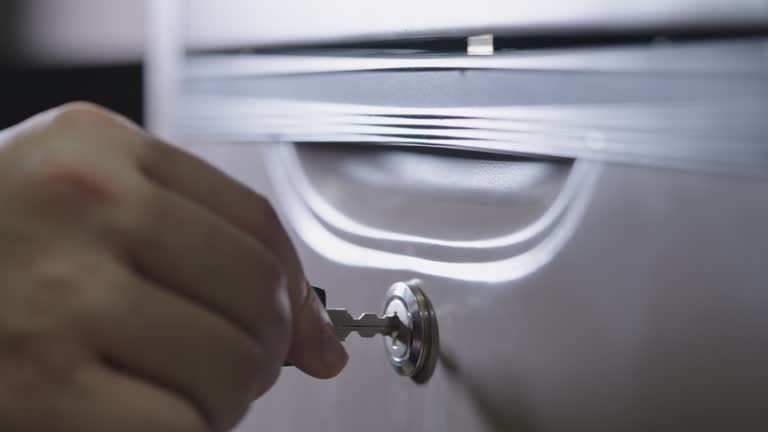
A stuck file cabinet lock can bring your workday to a halt, especially when you need access to important documents. Whether the key won’t turn, the lock is spinning freely, or the mechanism feels completely jammed, there are practical solutions to regain entry without causing damage. This guide covers proven methods to fix jammed file cabinet lock issues, from simple troubleshooting to more advanced techniques, so you can restore access quickly and safely.
If you’re dealing with a stubborn lock, it’s important to approach the problem methodically. Rushing or forcing the lock can worsen the situation or even break the mechanism. Below, you’ll find step-by-step instructions, essential tools, and expert tips to help you resolve common file cabinet lock problems. For more in-depth repair strategies, you can also refer to our locked file cabinet repair guide for additional insights.
Common Reasons File Cabinet Locks Get Stuck
Understanding why a cabinet lock jams is the first step to resolving the issue. Here are the most frequent causes:
- Key Wear or Damage: Keys can bend, wear down, or break, making it difficult to turn the lock.
- Debris and Dust: Accumulated dust or small particles inside the lock cylinder can block the pins and prevent movement.
- Misaligned Lock Mechanism: Internal parts may shift or become misaligned over time, especially if the cabinet is moved or bumped.
- Lack of Lubrication: Dry or corroded lock components can cause sticking or resistance when turning the key.
- Broken or Disconnected Linkage: The rod or bar connecting the lock to the cabinet’s latch may have come loose or broken.
For more details on underlying causes and solutions, our file cabinet lock not working resource covers common issues and troubleshooting steps.
Step-by-Step Solutions to Fix a Jammed File Cabinet Lock
If you’re facing a jammed lock, try these methods in order. Always use gentle pressure to avoid further damage.
1. Inspect the Key and Lock for Visible Issues
Start by examining the key for bends or cracks. If possible, try a spare key. Next, check for visible obstructions in the keyway. Use a flashlight to look for debris or broken pieces inside the lock.
2. Apply Lubricant to the Lock Cylinder
A lack of lubrication is a common culprit. Use a graphite-based lubricant or a lock-specific spray. Avoid oil-based products, as they can attract more dirt. Insert the key and gently wiggle it while applying the lubricant to distribute it inside the cylinder.
3. Gently Tap and Wiggle the Lock
Sometimes, a gentle tap can realign internal pins or loosen debris. Use the handle of a screwdriver to tap lightly around the lock face. Insert the key and try to turn it while applying slight upward or downward pressure.
4. Try a Lock Pick or Tension Tool (If You Have Experience)
If you’re familiar with basic lock picking, a tension wrench and pick can help manipulate the pins inside the cylinder. This approach is best for those with some experience, as improper use can damage the lock. If you’re unsure, it’s safer to consult a professional.
5. Check for Internal Mechanism Problems
If the key turns but the cabinet won’t open, the linkage inside may be disconnected or broken. In some cabinets, you can access the mechanism by removing a drawer above or below the locked one. Look for a metal rod or bar that connects the lock to the latch and ensure it’s properly attached.
When to Call a Professional Locksmith
If none of the above methods work, or if you’re concerned about damaging the cabinet, it’s time to contact a locksmith. Professionals have specialized tools and techniques to open jammed locks without causing harm to your furniture or documents. For urgent situations, you can reach out to 24/7 locksmith services for immediate assistance.
For more advanced repairs, such as replacing broken lock mechanisms or restoring smooth operation, our repair file cabinet lock mechanism guide provides step-by-step instructions.

Preventing Future File Cabinet Lock Jams
Once you’ve resolved the immediate issue, a few simple maintenance steps can help prevent future lockouts:
- Regular Cleaning: Use compressed air to blow out dust and debris from the lock cylinder every few months.
- Lubrication: Apply a graphite-based lubricant periodically to keep the mechanism moving smoothly.
- Gentle Operation: Avoid forcing the key or slamming drawers, as this can misalign internal components.
- Key Management: Store spare keys in a secure but accessible location to avoid emergencies.
For more DIY tips and a step-by-step approach, check out our how to fix file cabinet lock article.
Alternative Entry Methods and Cautions
If you’re unable to open the cabinet using the above methods and need urgent access, there are a few last-resort options. However, these should be approached with caution:
- Drilling the Lock: This will destroy the lock and should only be done if replacement is planned. Use a drill bit sized for the lock core and proceed slowly to avoid damaging the cabinet.
- Calling for Help: If you’re not comfortable with drilling or picking, it’s safer to contact a professional locksmith. They can often open the lock without damage.
For real-world advice from others who have faced similar challenges, you might find this discussion on opening a locked file cabinet helpful.
Frequently Asked Questions
What should I do if my file cabinet key is stuck and won’t turn?
First, check if the key is bent or damaged. Try a spare key if available. Apply a graphite-based lubricant to the lock and gently wiggle the key. If the key remains stuck, avoid forcing it and consider seeking professional help to prevent breakage.
Can I open a jammed file cabinet lock without a key?
Yes, in some cases you can use lock picking tools or access the internal mechanism by removing an adjacent drawer. However, these methods require care and some experience. If you’re unsure, a locksmith can open the cabinet without causing damage.
How can I prevent my file cabinet lock from jamming again?
Regularly clean the lock cylinder with compressed air, apply a graphite-based lubricant, and operate the lock gently. Store spare keys safely to avoid emergencies. Routine maintenance can significantly reduce the risk of future jams.
Is it safe to drill out a jammed file cabinet lock?
Drilling should be a last resort, as it will destroy the lock and may damage the cabinet. Only proceed if you plan to replace the lock and are comfortable with the process. When in doubt, contact a professional locksmith for safer alternatives.
Conclusion
Dealing with a stuck file cabinet lock can be frustrating, but with the right approach, you can often resolve the issue quickly. Start with basic troubleshooting, use gentle techniques, and don’t hesitate to call a locksmith if needed. For more detailed repair instructions and expert advice, explore our file cabinet lock repair resources for comprehensive solutions.